

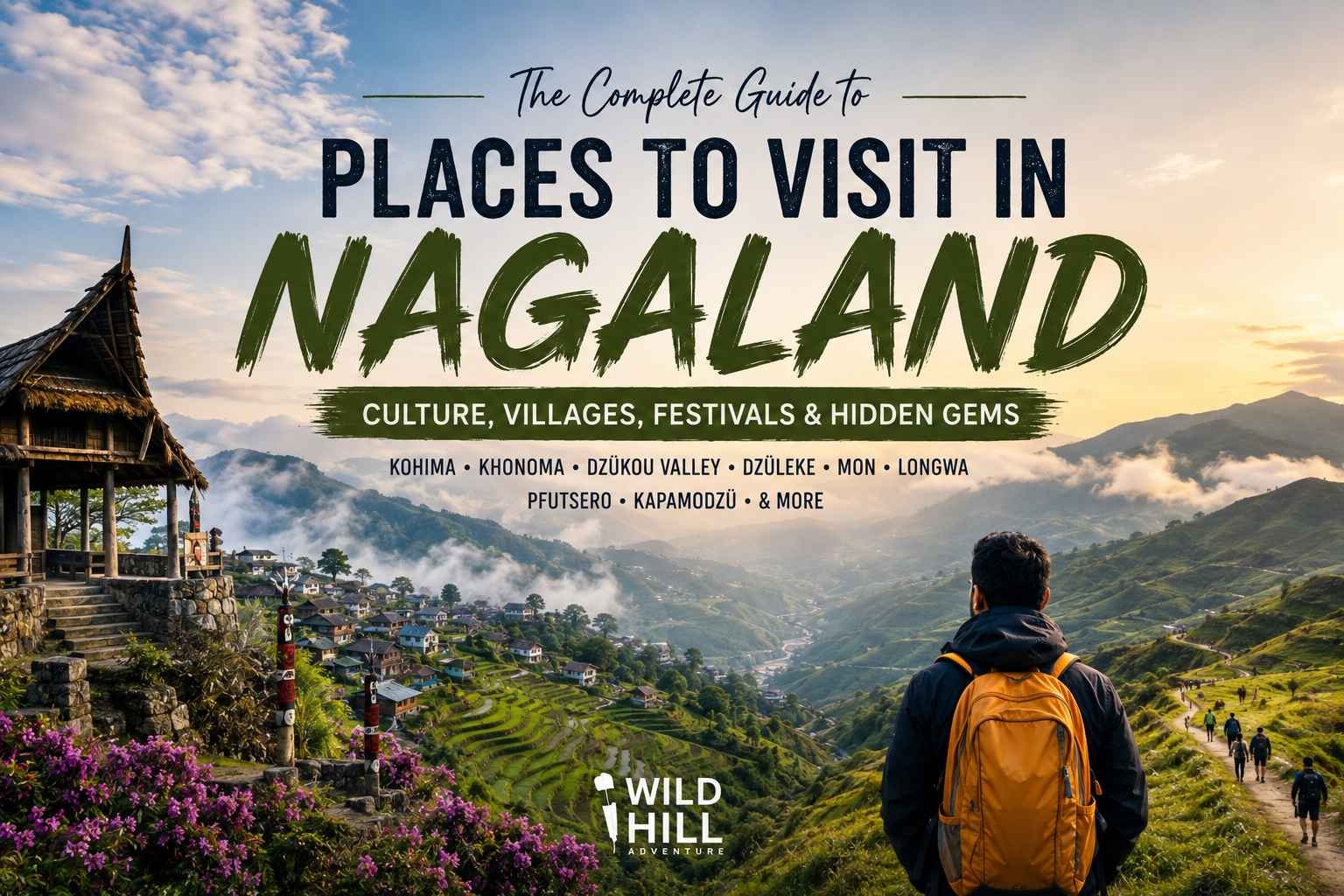

Places to Visit in Nagaland:
A Detailed Travel Guide to the Land of Festivals
Nagaland is one of those places that is difficult to understand from photographs alone.
You can see pictures of Dzukou Valley, the rice terraces of Khonoma, Konyak villages around Mon, or the colourful Hornbill Festival and think you know what Nagaland is like. But after travelling through the state repeatedly, I feel the real Nagaland begins where the photographs end.
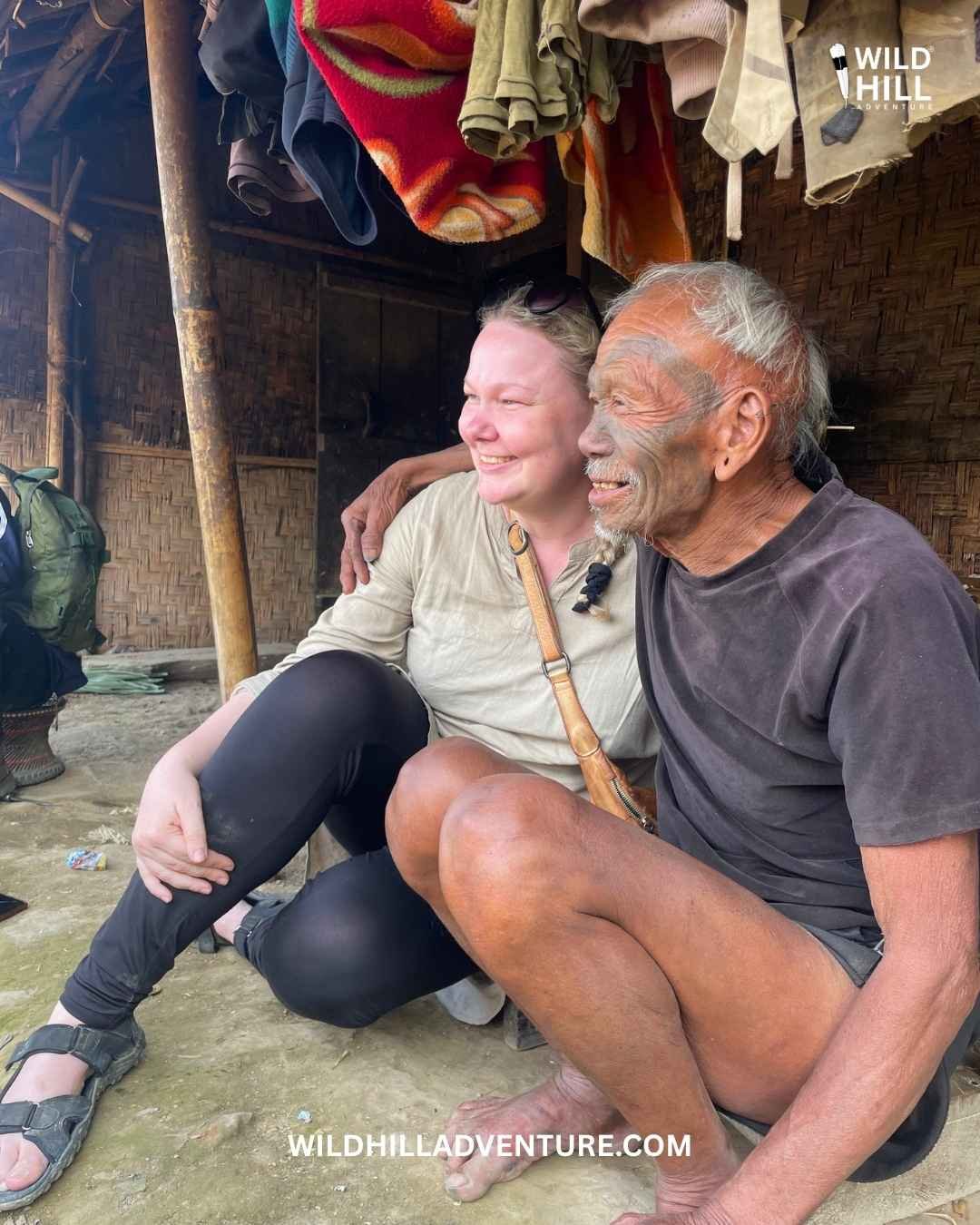
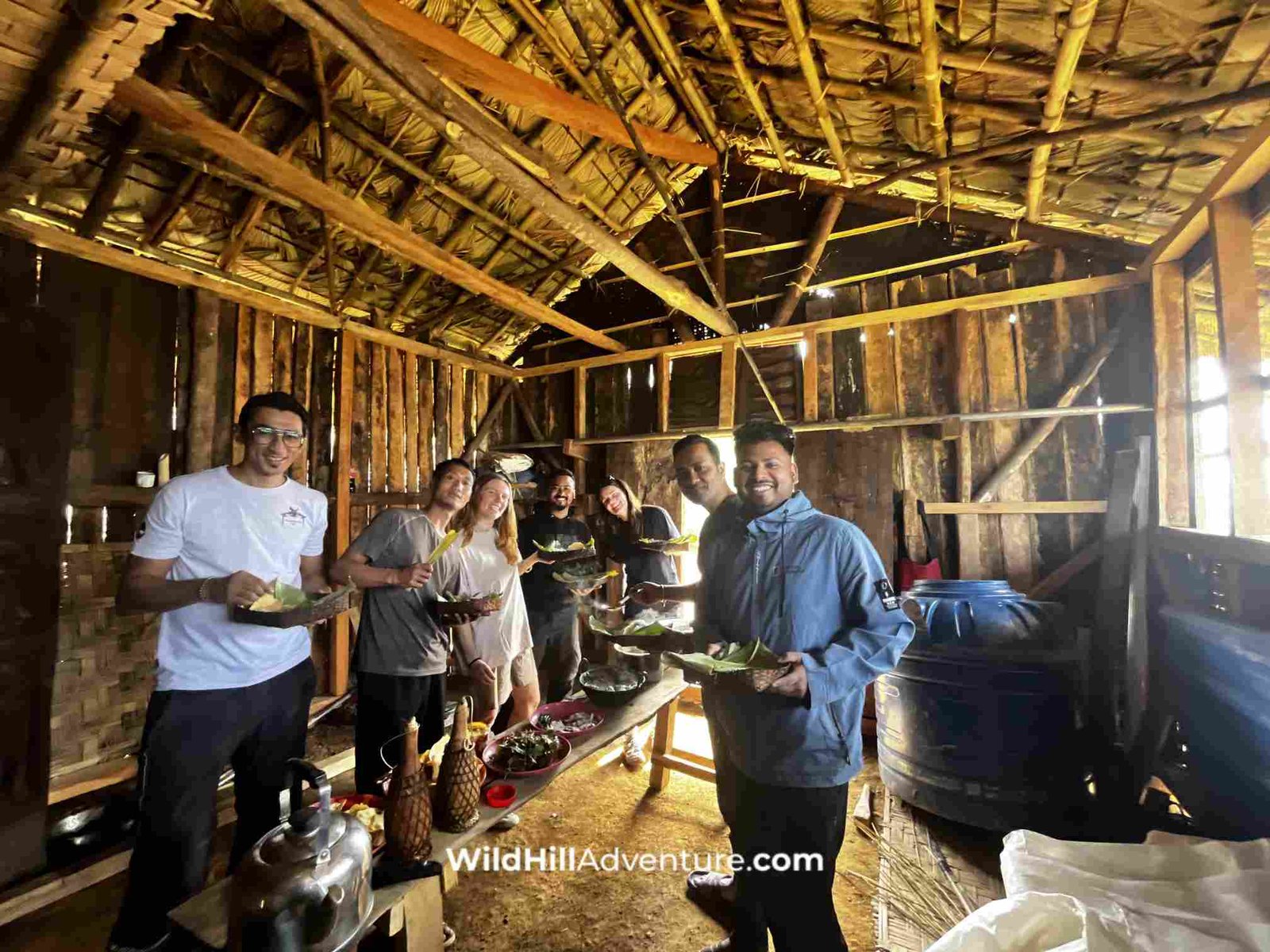
It is in sitting inside a village kitchen while someone prepares dinner. It is in driving for hours through roads where you hardly meet another tourist. It is in conversations with local guides, farmers and village elders. It is in waking up without mobile network in Dzüleke, watching clouds move across Kapamodzü, eating simple local food in a homestay, or listening to stories in the villages of Mon.
For us at Wild Hill Adventure, Nagaland has never been just another destination we sell. We have travelled these roads countless times, operated trips here for years, hosted guests in remote villages, trekked Dzukou, camped in the mountains, attended the Hornbill Festival and spent time with local communities across the state.
So instead of writing another generic list of places to visit in Nagaland, I want this guide to help you understand where you should actually go, what each place offers, how much time you need and which places are worth combining together.
Nagaland currently has 17 administrative districts, and tourism is spread far beyond Kohima and Mon. The official tourism map includes destinations across the state, from Dzukou and Khonoma in the south to remote areas around Kiphire, Noklak, Mon and Meluri.
Why Visit Nagaland?
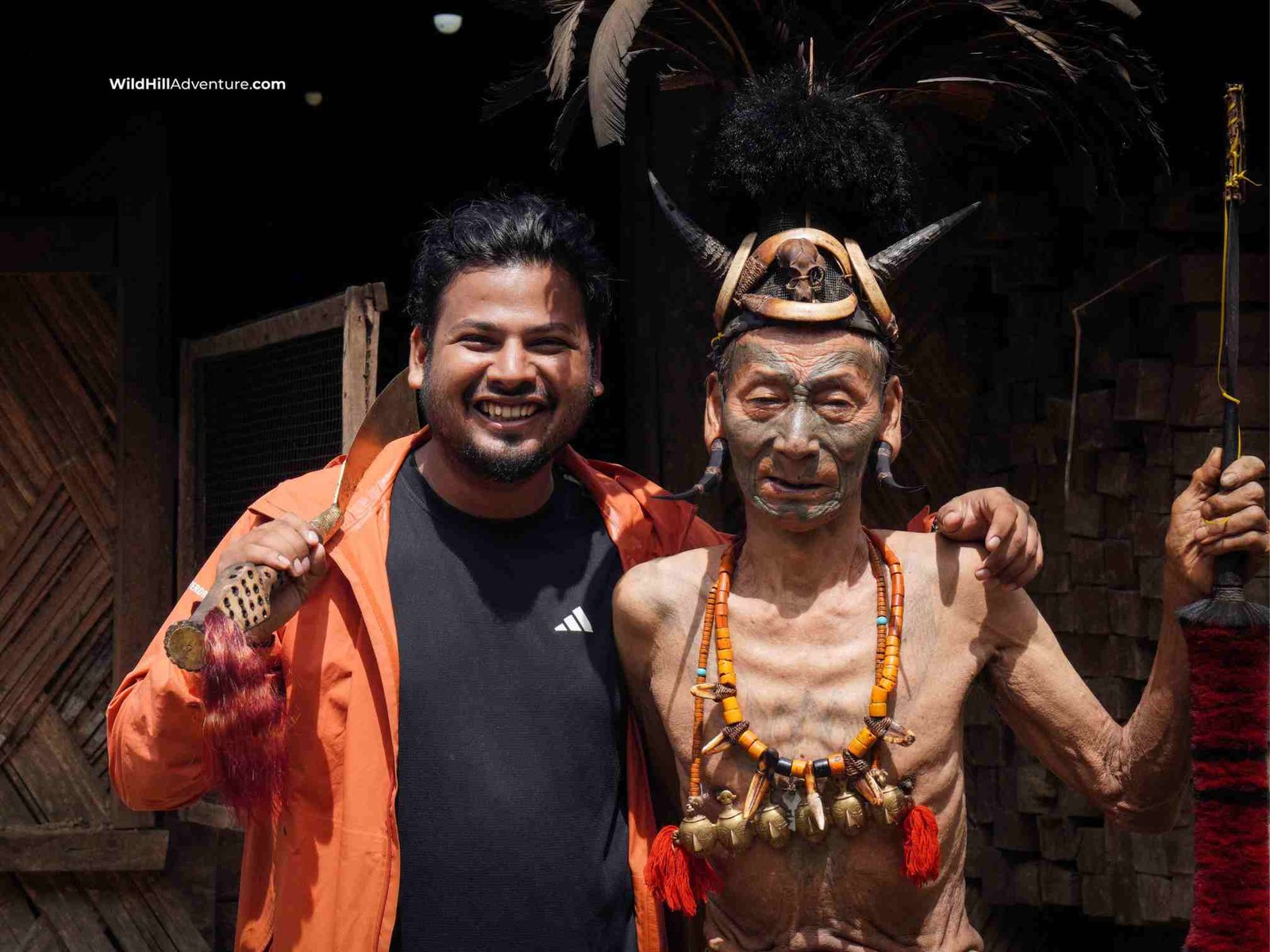
If you are looking for polished resorts, crowded viewpoints and conventional sightseeing, Nagaland may not be the first destination I would recommend.
But if you love culture, villages, mountains, photography, trekking, road trips, food and places that still feel relatively unexplored, Nagaland is exceptional.
The state combines deep valleys, forested mountains, traditional agriculture, streams and villages with extraordinarily diverse tribal traditions, festivals, music, handicrafts and food. Nagaland Tourism itself identifies this combination of landscape and ethnic culture as one of the state’s main tourism strengths.
And there is another reason I love travelling here.
Nagaland rewards slow travel.
Don’t come only to collect tourist spots. Stay in a village. Eat with a local family. Walk instead of driving everywhere. Spend an evening without your phone.
That is when Nagaland starts becoming memorable.
1. Kohima: The Best Starting Point for Exploring Nagaland
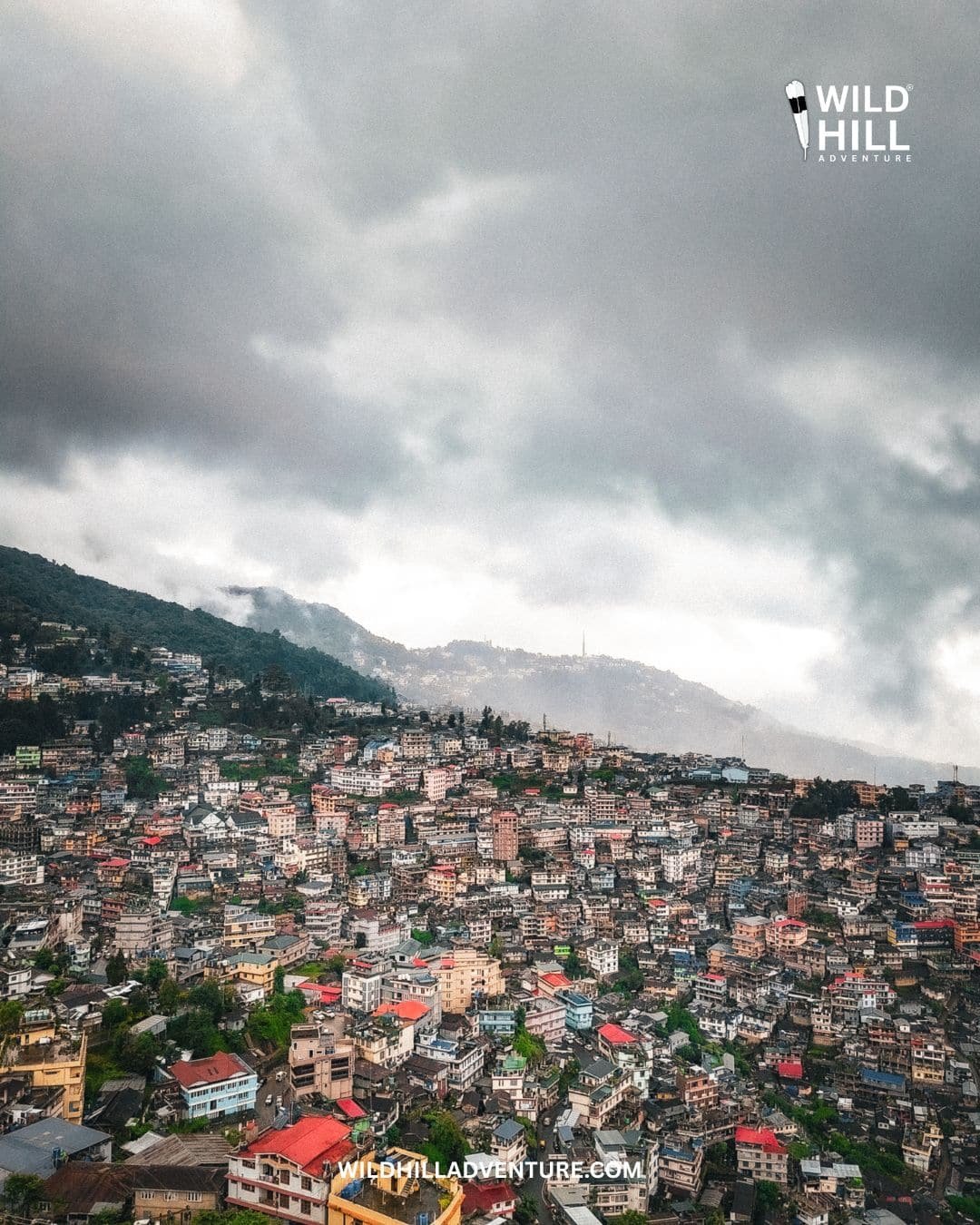
For a first trip, Kohima should usually be your base.
Nagaland’s capital is surrounded by some of the state’s best-known villages, treks and cultural attractions.
Inside and around Kohima, you can visit:
- Kohima War Cemetery
- Nagaland State Museum
- Kohima Cathedral
- local markets
- Kisama Heritage Village
- Jakhama and Kigwema
- Khonoma
- Dzüleke
- Dzukou Valley
But what makes Kohima particularly useful is the number of excellent day trips around it.
You can stay several nights in Kohima and explore a completely different landscape every day.
How many days?
I recommend at least 2 nights in Kohima, but 3 to 4 nights is much better if you’re combining nearby villages.
2. Khonoma Village
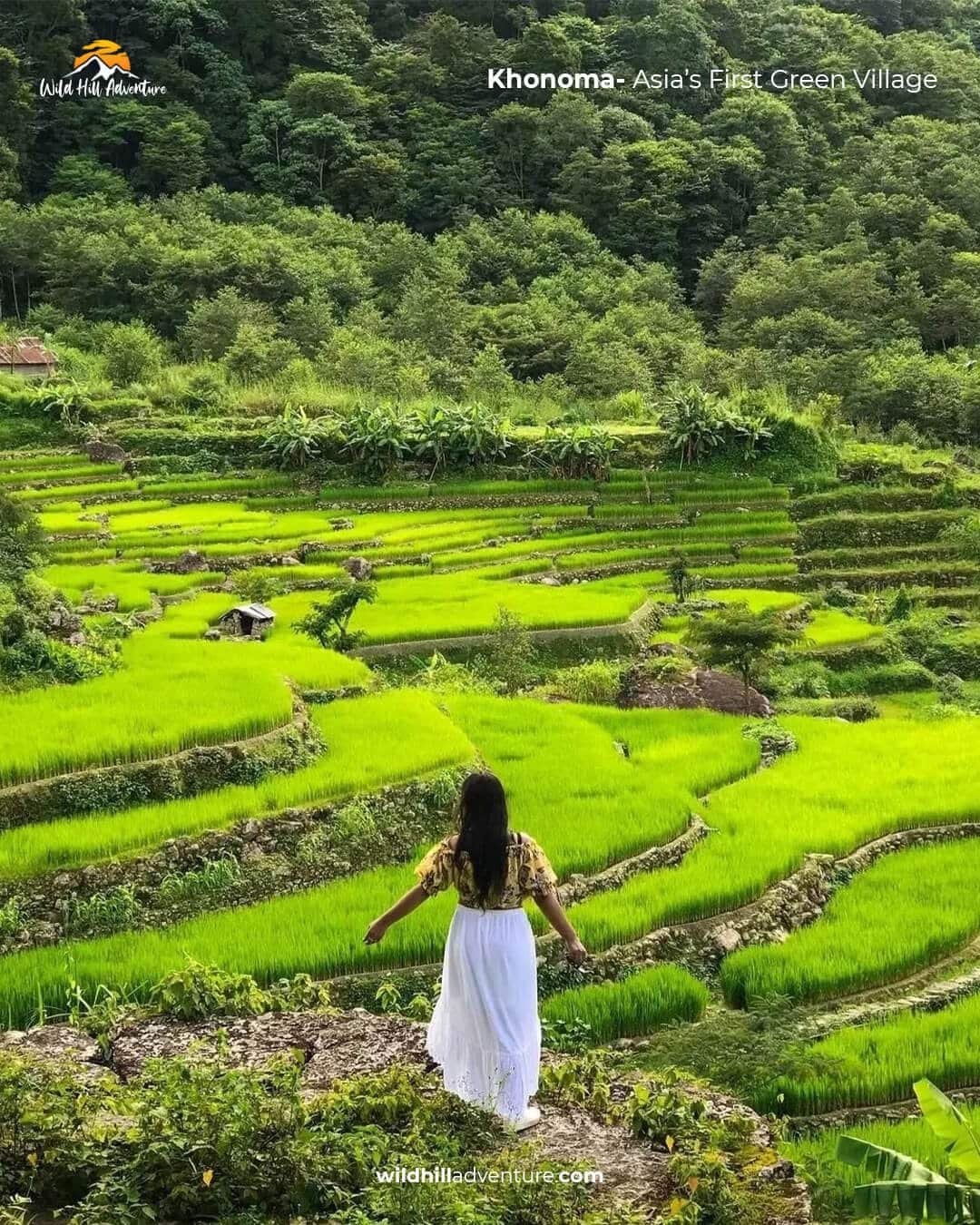
Around 20 km from Kohima, Khonoma is one of the places we have visited more times than I can count.
Yet I rarely get bored here.
The village is famous for its conservation story, traditional Angami culture and magnificent terraced fields. Nagaland Tourism lists Khonoma among the state’s featured destinations, while recent state tourism discussions have highlighted both Khonoma and Dzüleke as examples of community-driven and sustainable tourism.
But forget those descriptions for a moment.
Come during the right season and stand above the paddy fields.
The terraces appear to roll through the valley in different shades of green, surrounded by mountains and forest.
What to do in Khonoma
A proper village walk generally takes around 2 to 3 hours.
Explore the traditional village, learn about Angami history, see old structures and fortifications, visit local homes and understand how the community has preserved its environment.
Then, if you have time, walk down towards the paddy fields.
That is another experience altogether.
You can also buy locally produced items such as honey, traditional jewellery, clothing and seasonal products.
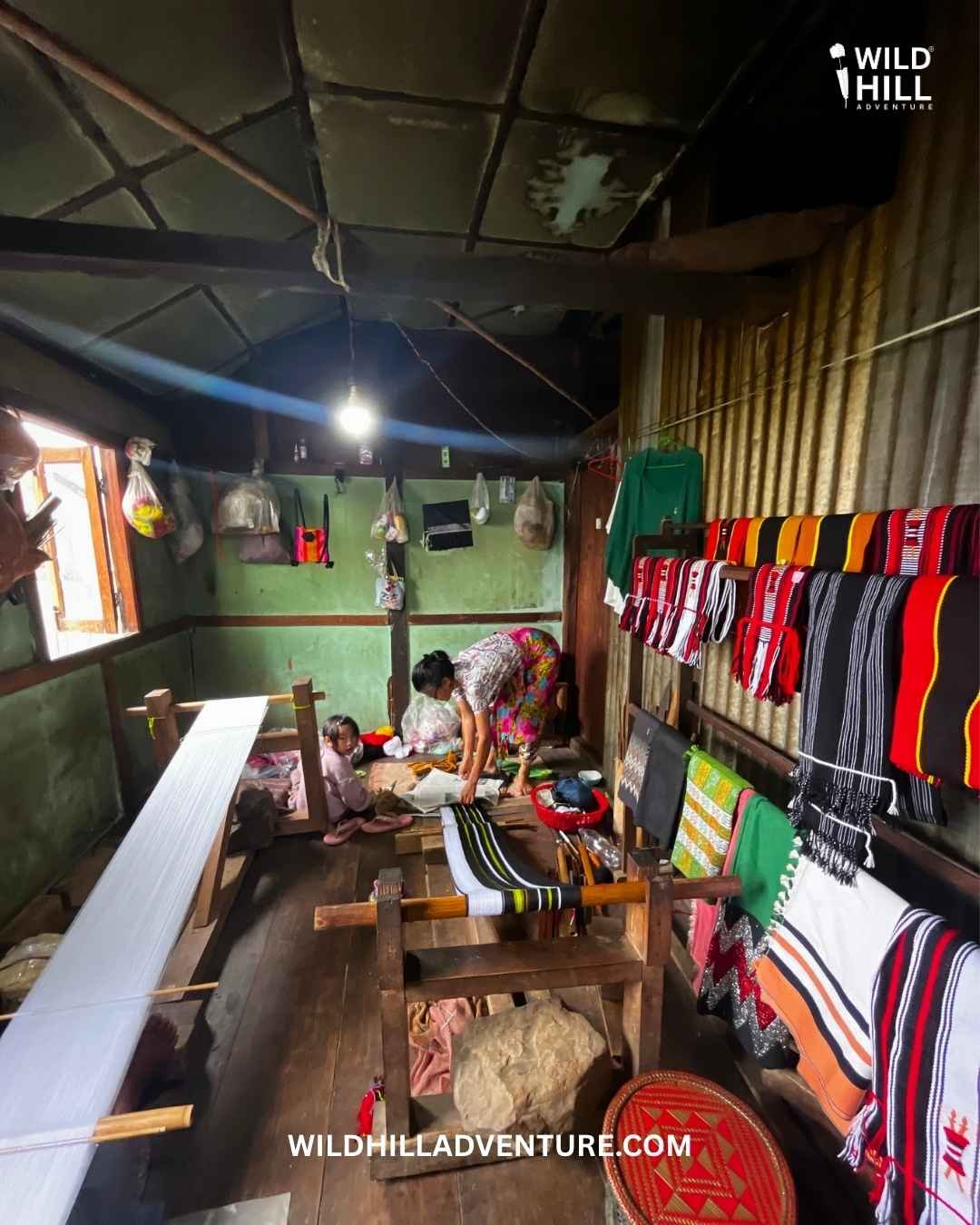
Try local food instead of rushing back to Kohima.
Day trip or overnight?
Khonoma can easily be visited as a day trip from Kohima, but staying overnight gives you a much quieter experience.
After evening, the village becomes incredibly peaceful.
For travellers who enjoy rural tourism, I recommend spending one night.
3. Dzüleke Village: Disconnect From the World
Dzüleke is one of my personal favourite villages in Nagaland.
There is a reason.
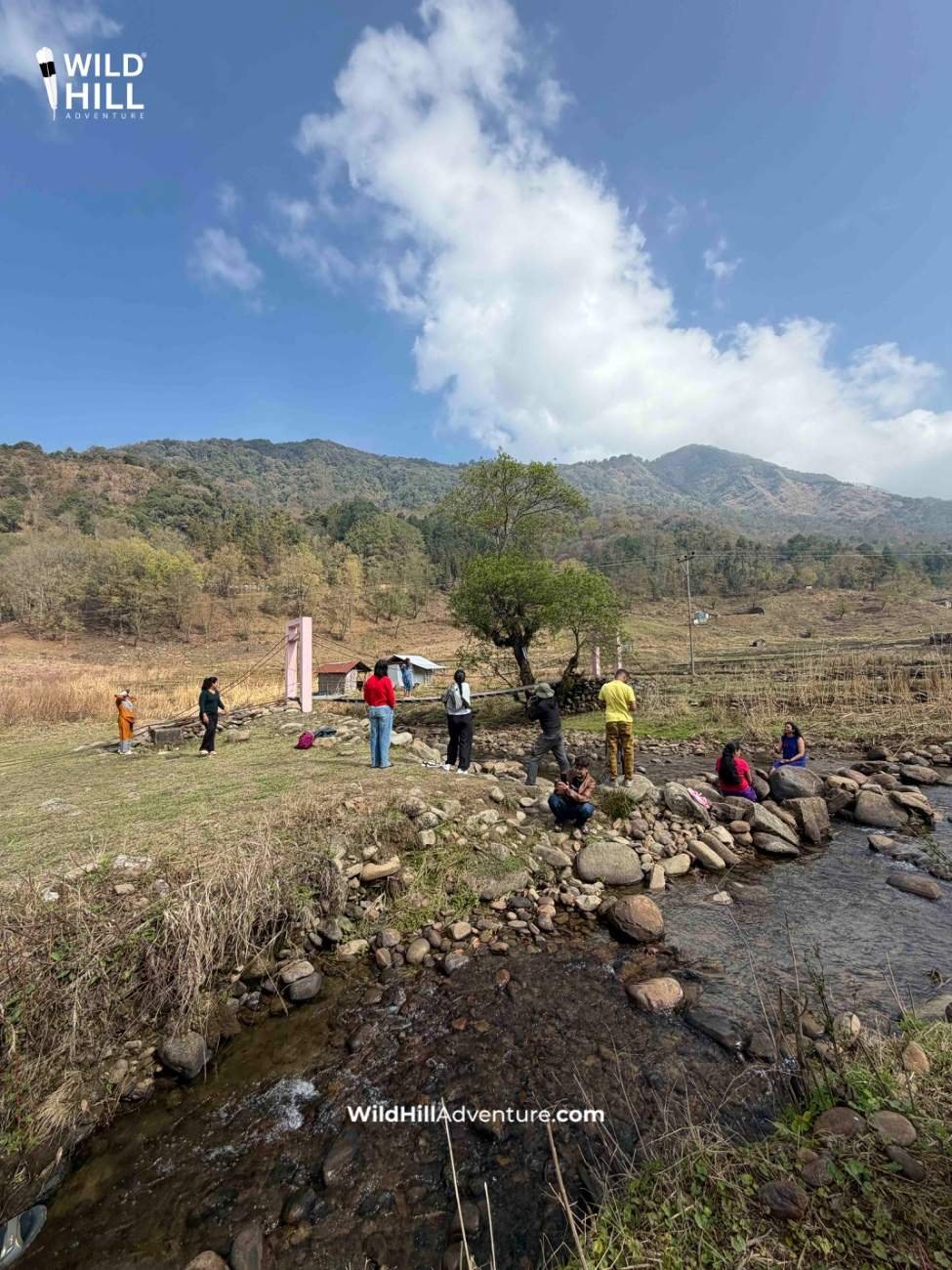
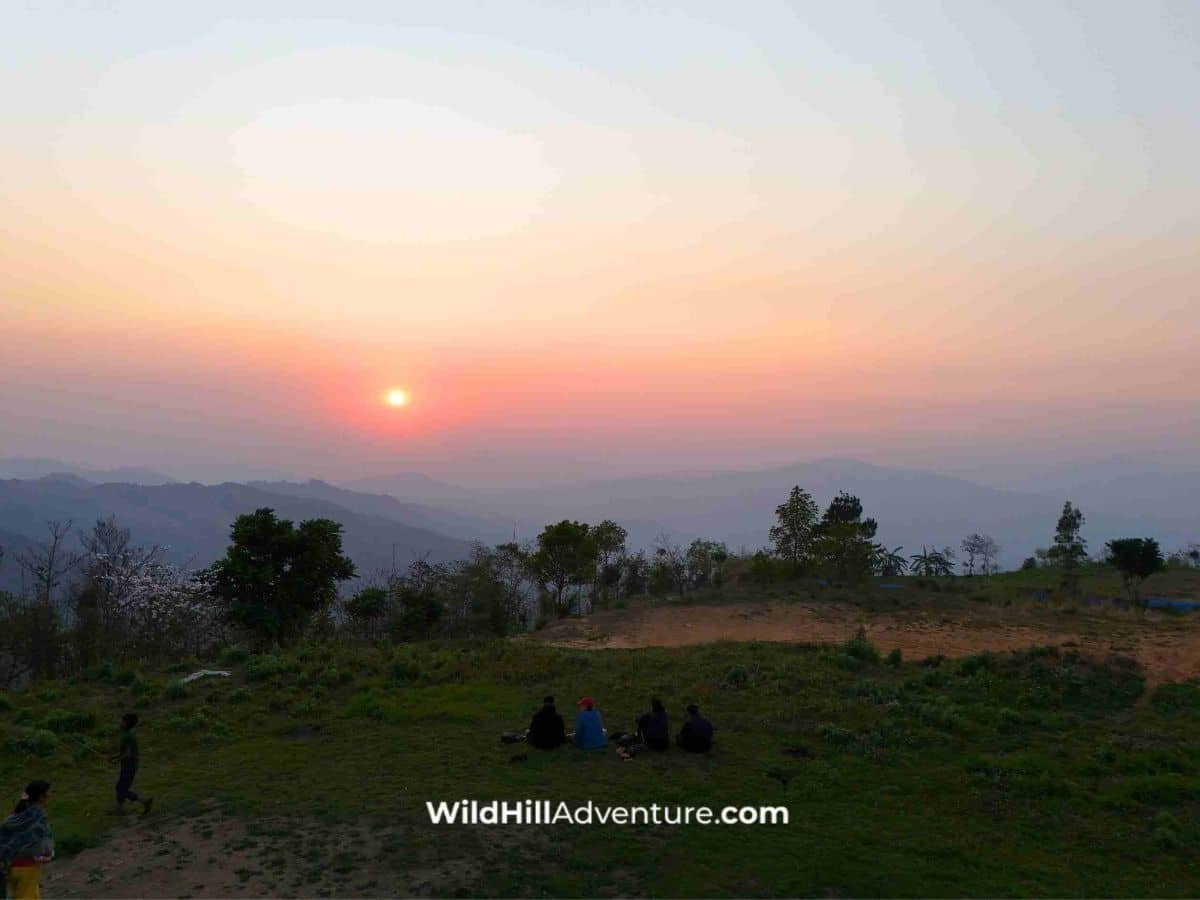
Imagine a village surrounded by forests, mountains, paddy fields, flowers and a river, with extremely limited mobile connectivity.
Your phone becomes almost useless.
And strangely, that becomes one of the best parts of travelling here.
Nagaland Tourism describes Dzüleke as a picturesque village close to Kohima, while the state government has recently cited its community tourism model alongside Khonoma
What can you do?
Do a village walk.
Walk through the agricultural areas.
Sit beside the river.
Talk to villagers.
Try locally grown food.
Or do almost nothing.
That’s the beauty of Dzüleke.
One of my favourite memories here was travelling with a large group from Bangalore.
Once the network disappeared, something interesting happened.
Everyone stopped looking at their phones.
That night we sat together talking, telling ghost stories, sharing funny travel incidents and laughing for hours.
Sometimes when there is no network, human connection becomes stronger.
Camping in Dzüleke
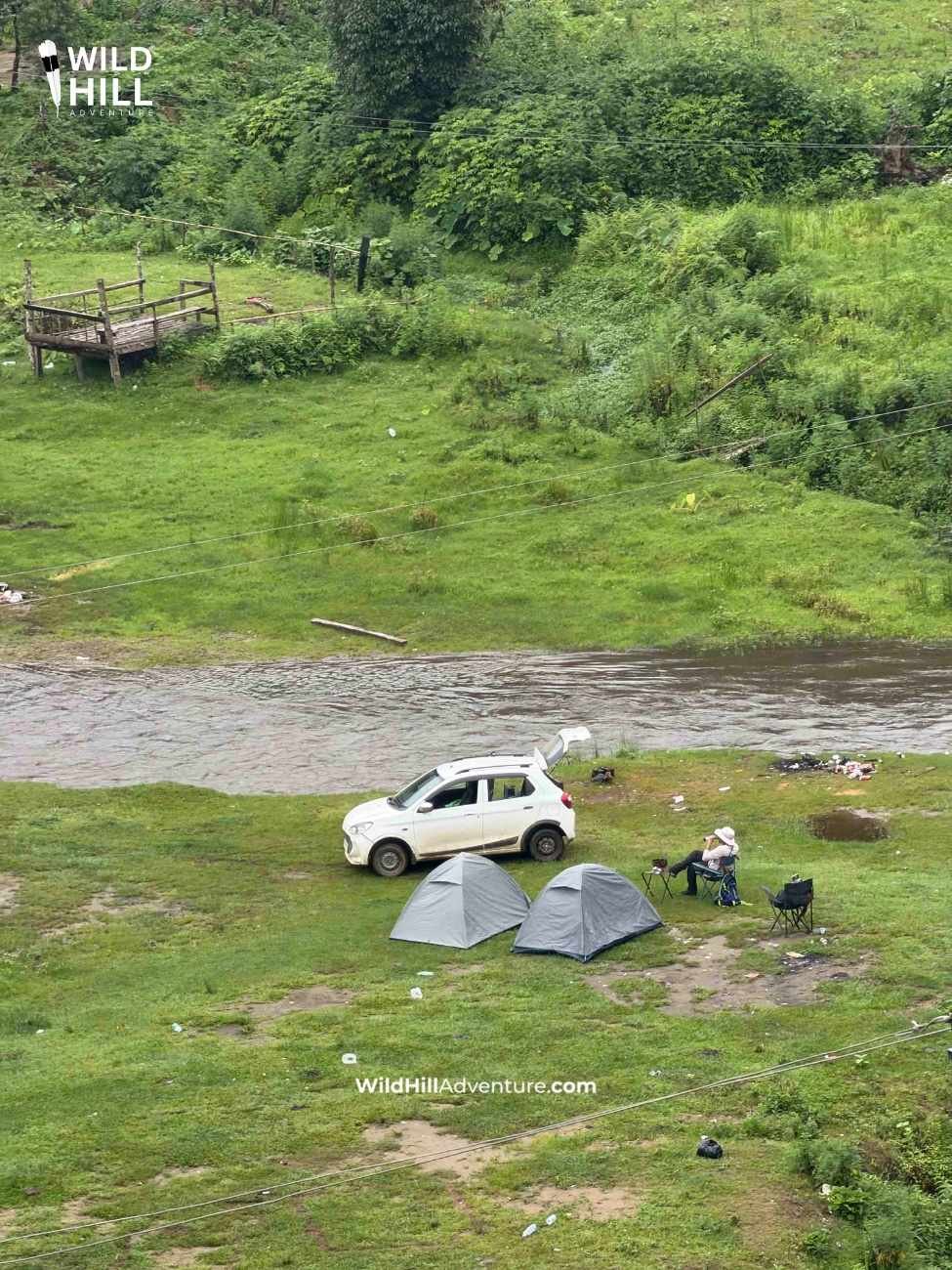
For adventure travellers, camping beside the river can be fantastic.
A bonfire, grilled food, stars above you and the sound of the river beside your tent is a very different experience from staying in a city hotel.
My recommendation
Don’t just squeeze Dzüleke into a two-hour sightseeing stop.
Stay one night if possible.
4. Dzukou Valley

If someone asks me for the most iconic natural place in Nagaland, Dzukou Valley will always be near the top.
For us, Dzukou is also emotional.
Over roughly eight years of operating trips here, our team has hosted more than 2,000 guests in the valley.
We’ve seen strangers become friends here.
We’ve had endless conversations around camps.
We’ve watched stars on clear nights.
We’ve seen exhausted trekkers reach the valley and suddenly forget how tired they were.
Two main trekking approaches
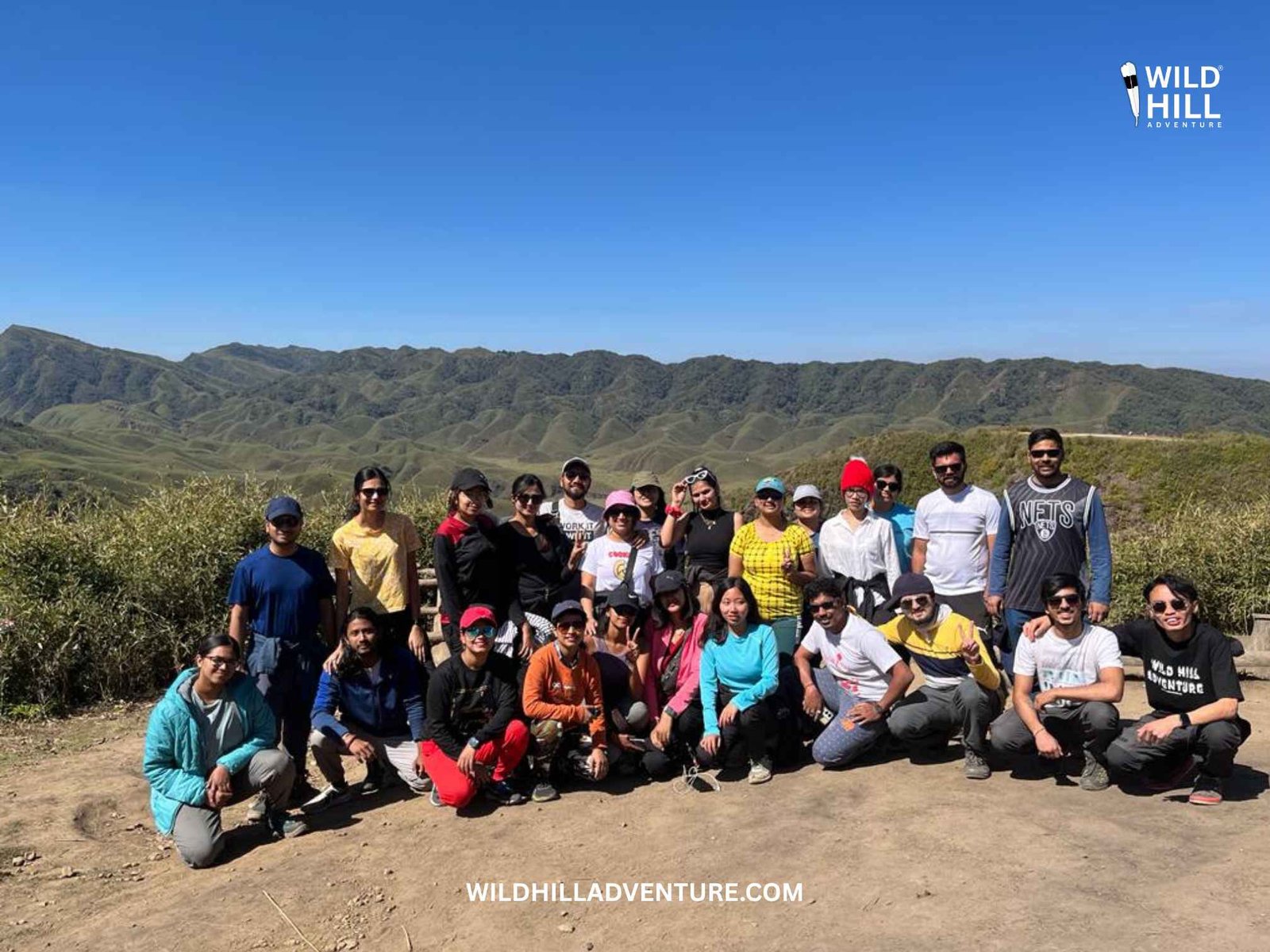
Travellers generally approach Dzukou from the Jakhama side or Viswema side.
The Jakhama route is steeper and harder.
Viswema is generally longer but considered easier by many trekkers.
Weather can dramatically change trail conditions, so use local guidance rather than relying entirely on old online information.
Staying in Dzukou
Depending on current availability and arrangements, accommodation may include basic dormitory/cottage-style options and camping.
Pre-booking is highly recommended, particularly during busy periods.
How much time?
Keep 2 days and 1 night minimum.
If you enjoy mountains and slow travel, don’t rush back.
5. Kisama Heritage Village
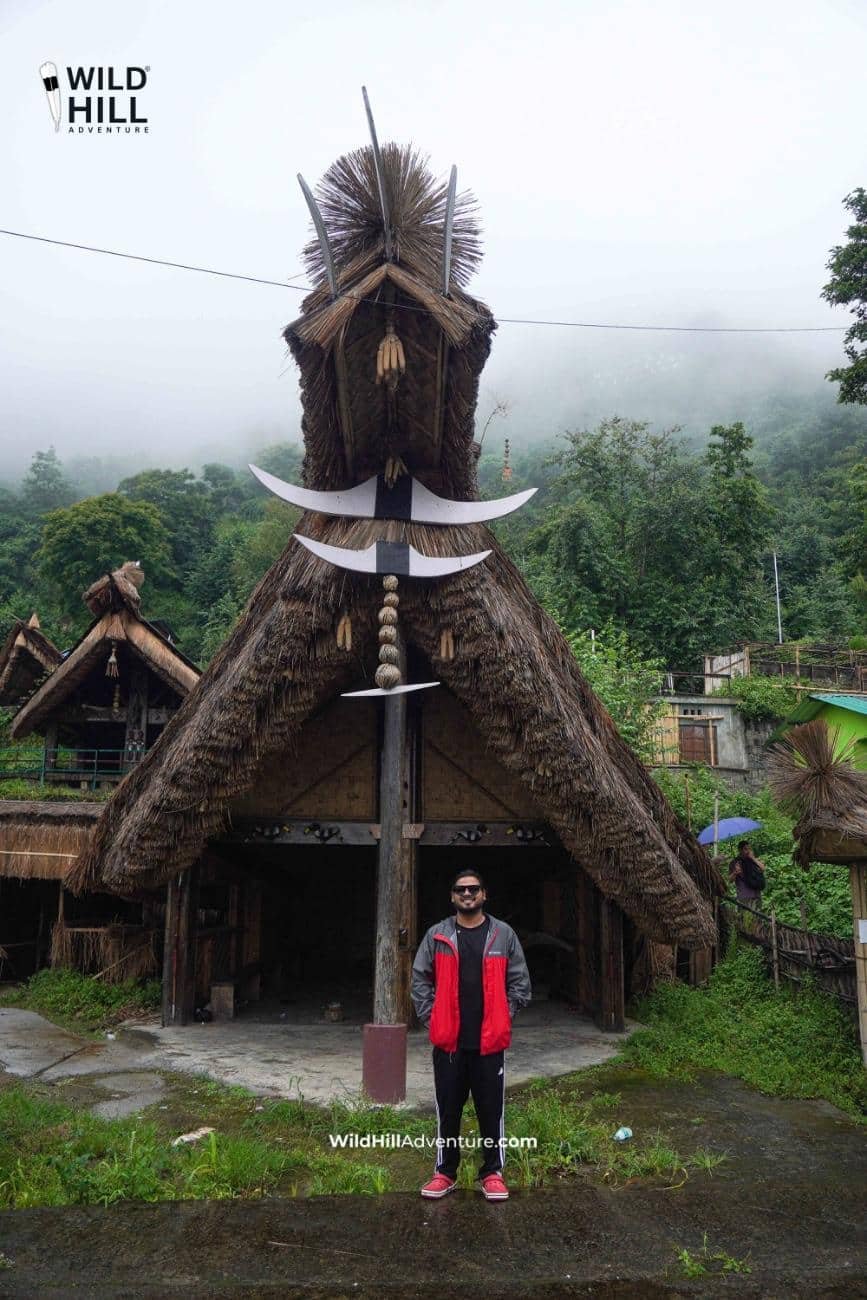
Kisama is around 12 km from Kohima and is best known as the home of the Hornbill Festival.
The heritage complex was created to showcase and preserve Naga cultural heritage and contains traditional-style morungs representing different communities
Outside festival season, Kisama can still be worth visiting if you’re interested in Nagaland’s architecture and cultural representation.
But during December, the place completely transforms.
6. Hornbill Festival


If there is one time when the entire cultural diversity of Nagaland becomes easier for an outsider to experience, it is during the Hornbill Festival.
For 2026, Nagaland Tourism lists the festival for 1 to 10 December at Kisama.
Expect:
traditional performances, tribal morungs, indigenous games, handicrafts, local food, music, cultural exhibitions and evening events.
The official festival programme describes it as a ten-day event showcasing the state’s cultural diversity alongside food, arts, crafts, sports, adventure and music.
If you’re visiting Nagaland for the first time and culture is your priority, December is difficult to beat.
But don’t spend your entire holiday inside Kisama.
Combine Hornbill with Khonoma, Dzüleke, Dzukou Valley or Phek district.
7. Jakhama Village
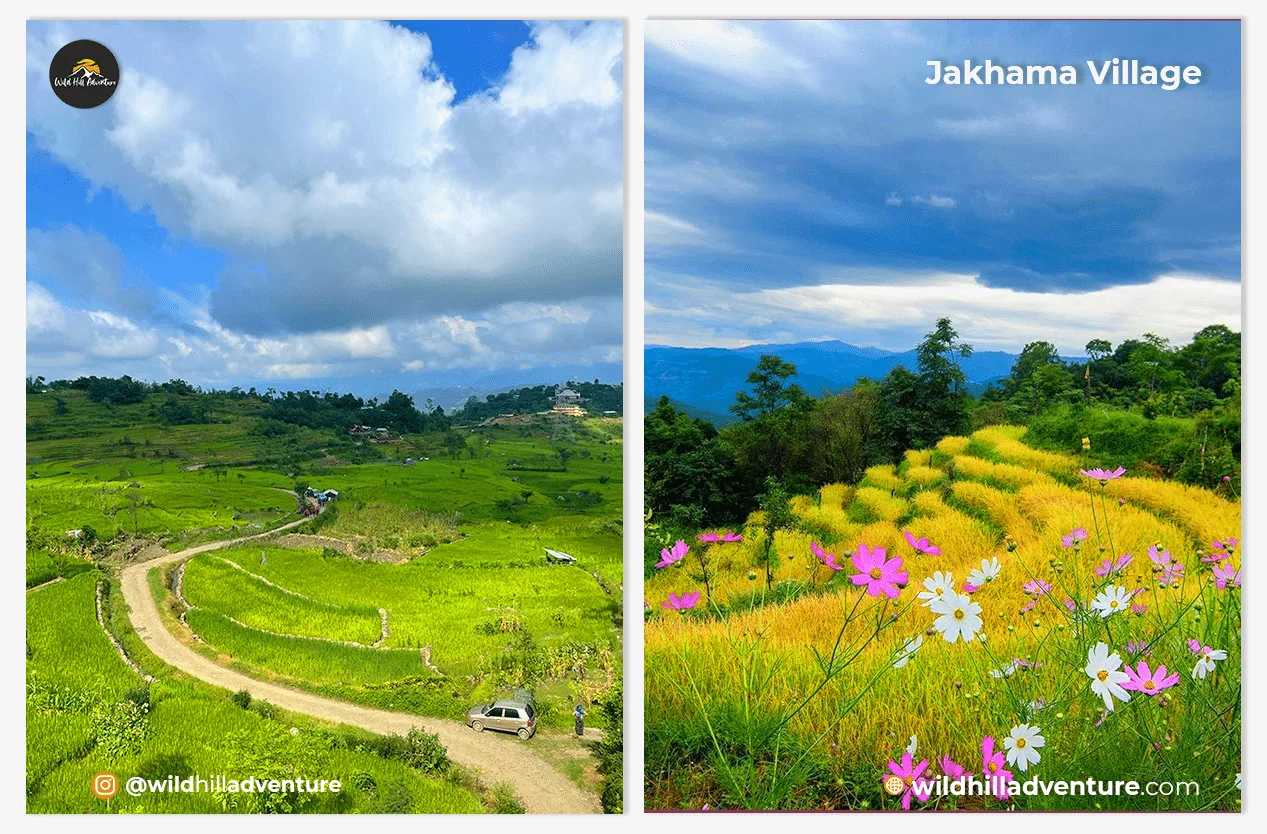
Jakhama often gets treated simply as somewhere travellers pass through.
I think that’s unfortunate.
The landscape around Jakhama is beautiful, and the village is also conveniently positioned for travellers heading towards Dzukou and southern Nagaland.
Traditional houses, cultivated hillsides and village life make it worthwhile for travellers interested in Angami culture.
If you’re staying around Kisama during Hornbill Festival, Jakhama can also make a convenient base.
8. Kigwema Village
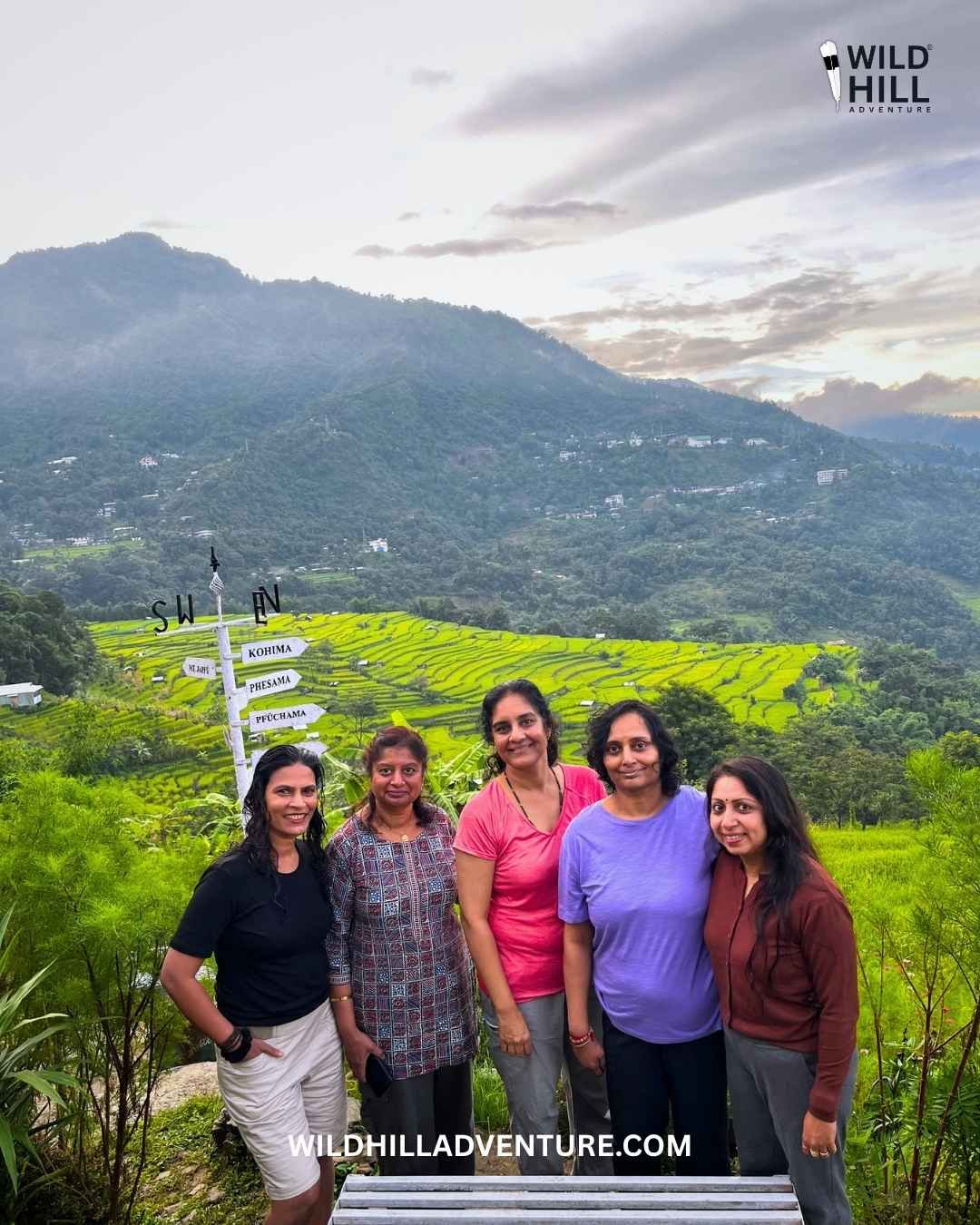
Kigwema is another culturally important Angami village close to Kisama.
Instead of simply travelling Kohima → Kisama → Kohima every day, consider exploring villages around the festival area.
It gives you a much better understanding of the region than seeing only staged performances.
9. Kapamodzü Peak
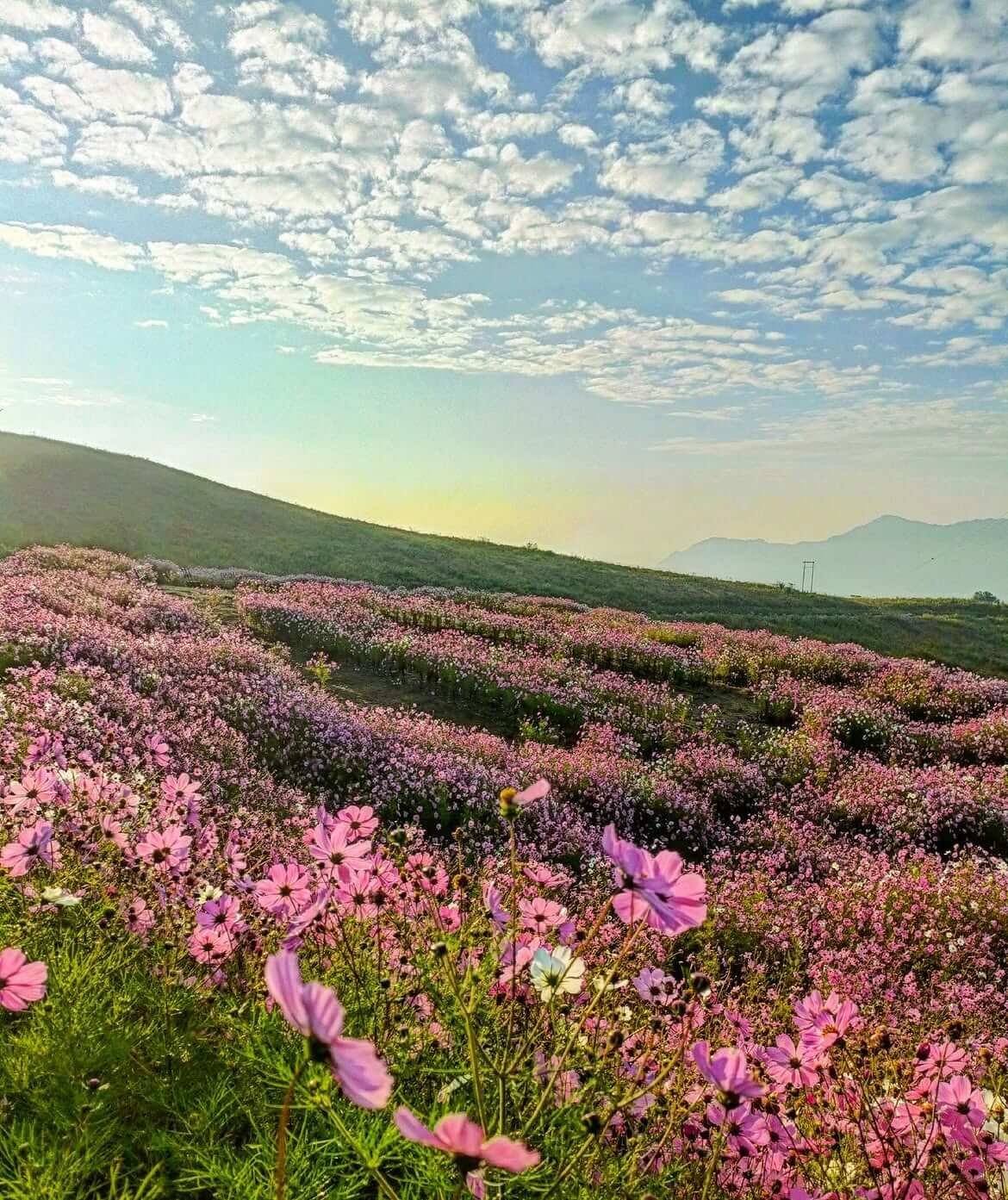
Kapamodzü is one of those places that surprised me even after travelling extensively around Nagaland.
We have visited several times, but my first monsoon experience there was completely different.
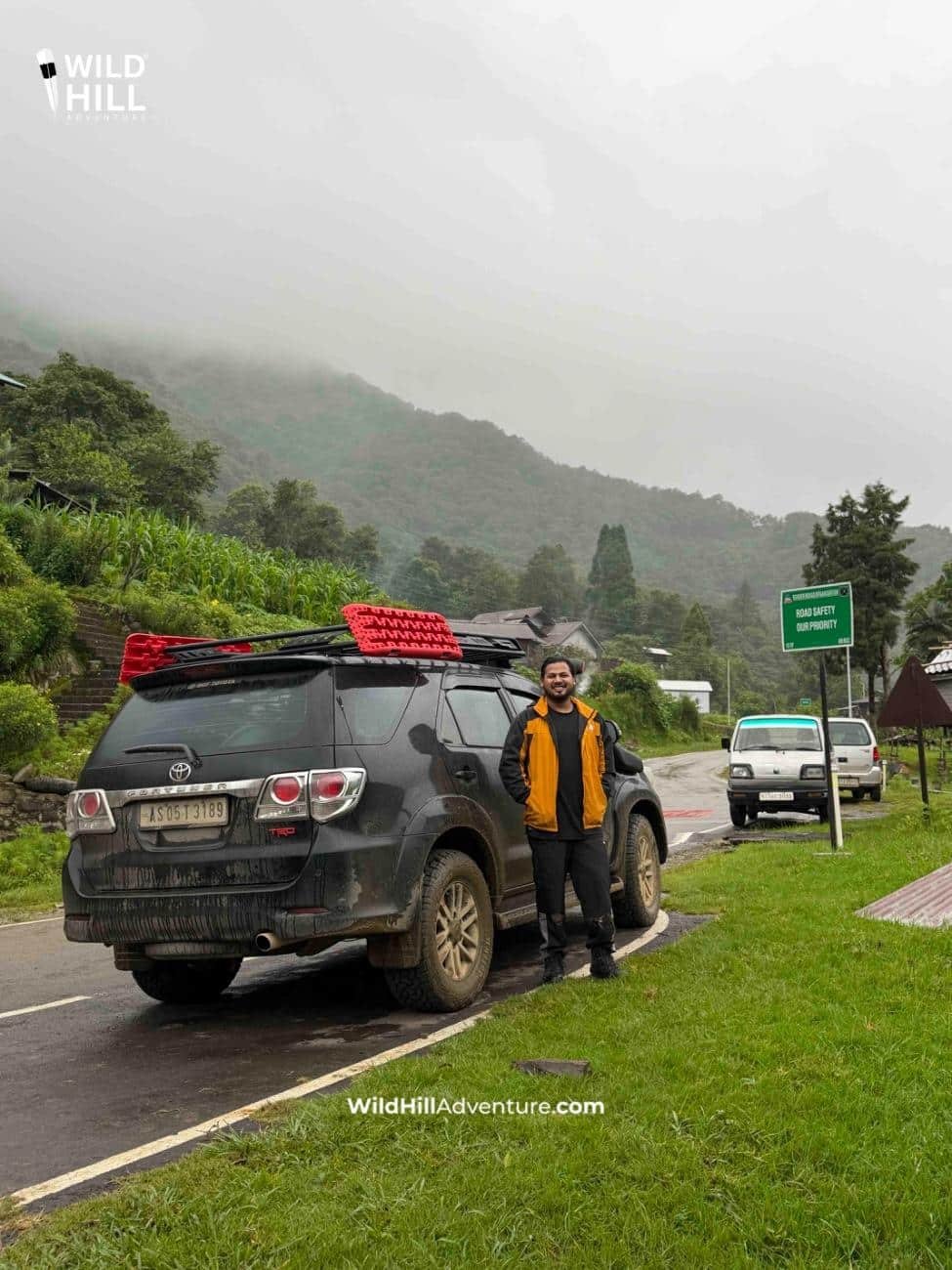
We drove from Kohima via the Jakhama side, crossed towards the Mao area, ate Manipuri food and continued through increasingly rough and scenic roads.
During monsoon, the final sections became slippery enough that having a capable vehicle mattered.
Eventually we reached Kapamodzü in the evening.
And the best part?
From the parking area, the peak viewpoint was only a short walk.
Staying at Kapamodzü
There are limited accommodation options around the peak area, including tents/cottages depending on availability.
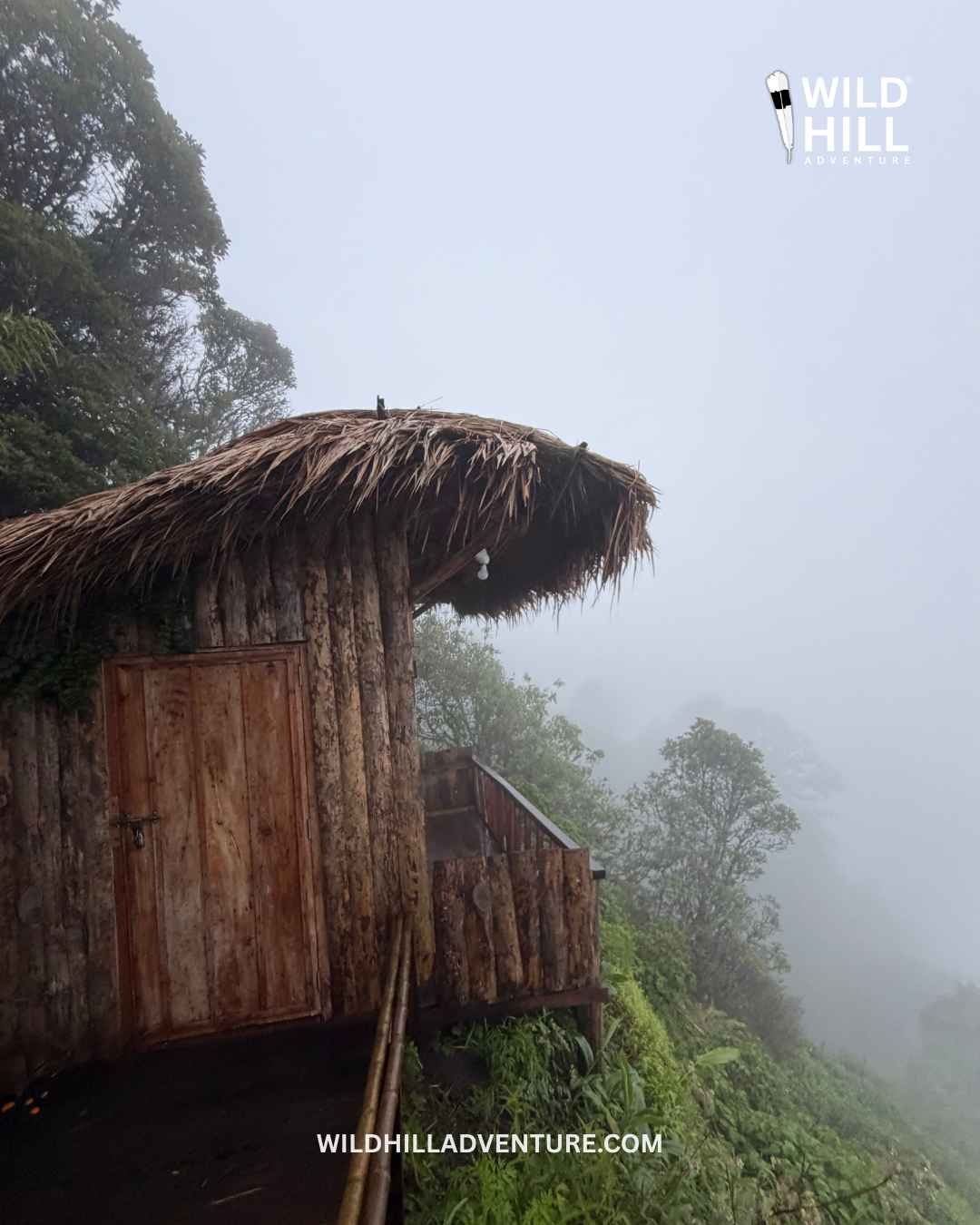
Book ahead.
One evening we simply sat there looking across the mountains, made some new friends, sang, talked and eventually had a traditional Naga dinner.
That night I kept waking up.
I wanted to see clouds floating below us at sunrise.
I probably checked outside three or four times thinking morning had arrived.
When sunrise finally came…
Fog.
Nothing.
That’s Nagaland.
Nature doesn’t perform because you’ve travelled a long distance to see it.
Maybe next time.
10. Pfutsero
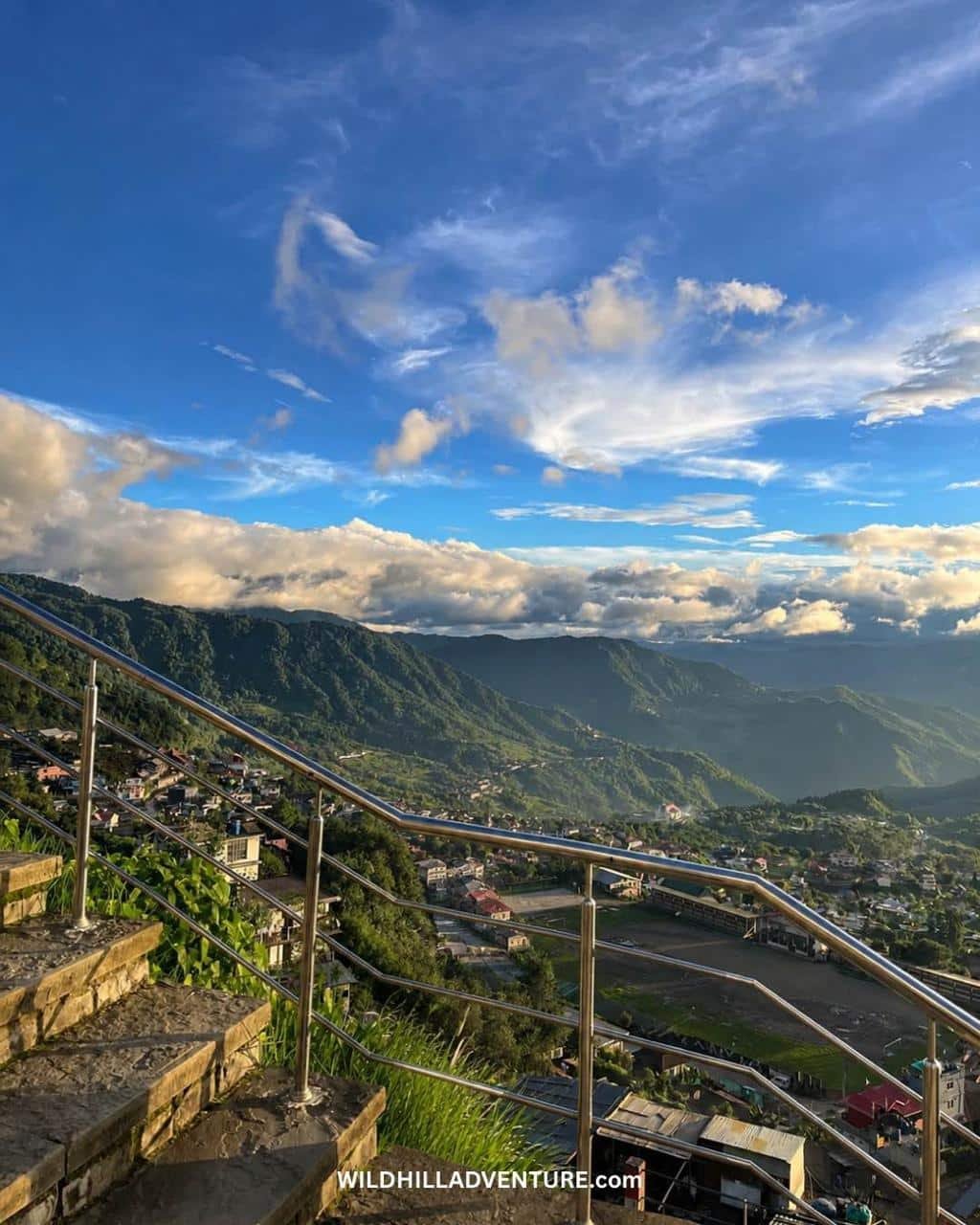
Continue deeper into Phek district and you reach Pfutsero, one of Nagaland’s beautiful high-altitude towns.
The journey itself is part of the experience.
Mountain roads, agricultural landscapes and villages make this side of Nagaland particularly enjoyable for road trips.
Pfutsero is also known for seasonal agricultural produce and cool weather.
11. Glory Peak
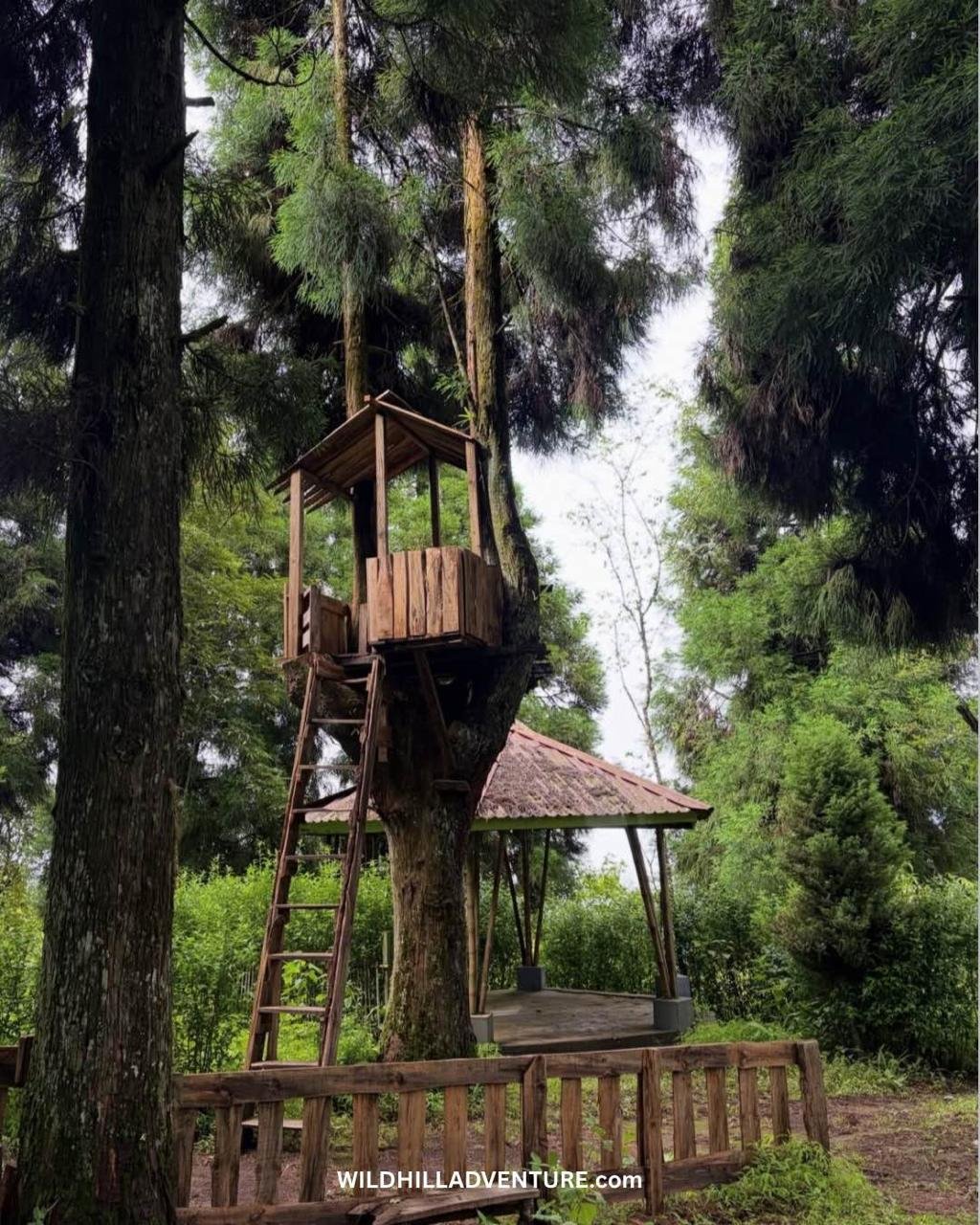
If you’re travelling through Pfutsero, include Glory Peak.
The viewpoint gives you broad mountain scenery and works well as part of a Phek district road trip rather than as a standalone journey.
Combine:
Kohima → Pfutsero → Glory Peak → Kapamodzü
depending on road and weather conditions.
12. Khezhakeno Village
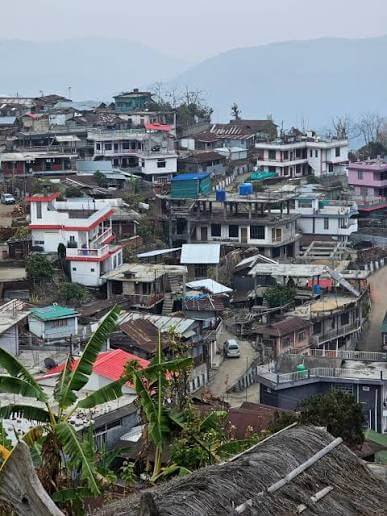
Khezhakeno is one of the culturally significant villages in Phek district.
It fits particularly well into a deeper Phek itinerary.
If you’ve already visited Kohima, Khonoma and Dzukou and want something less mainstream, start exploring this side of Nagaland.
13. Shilloi Lake
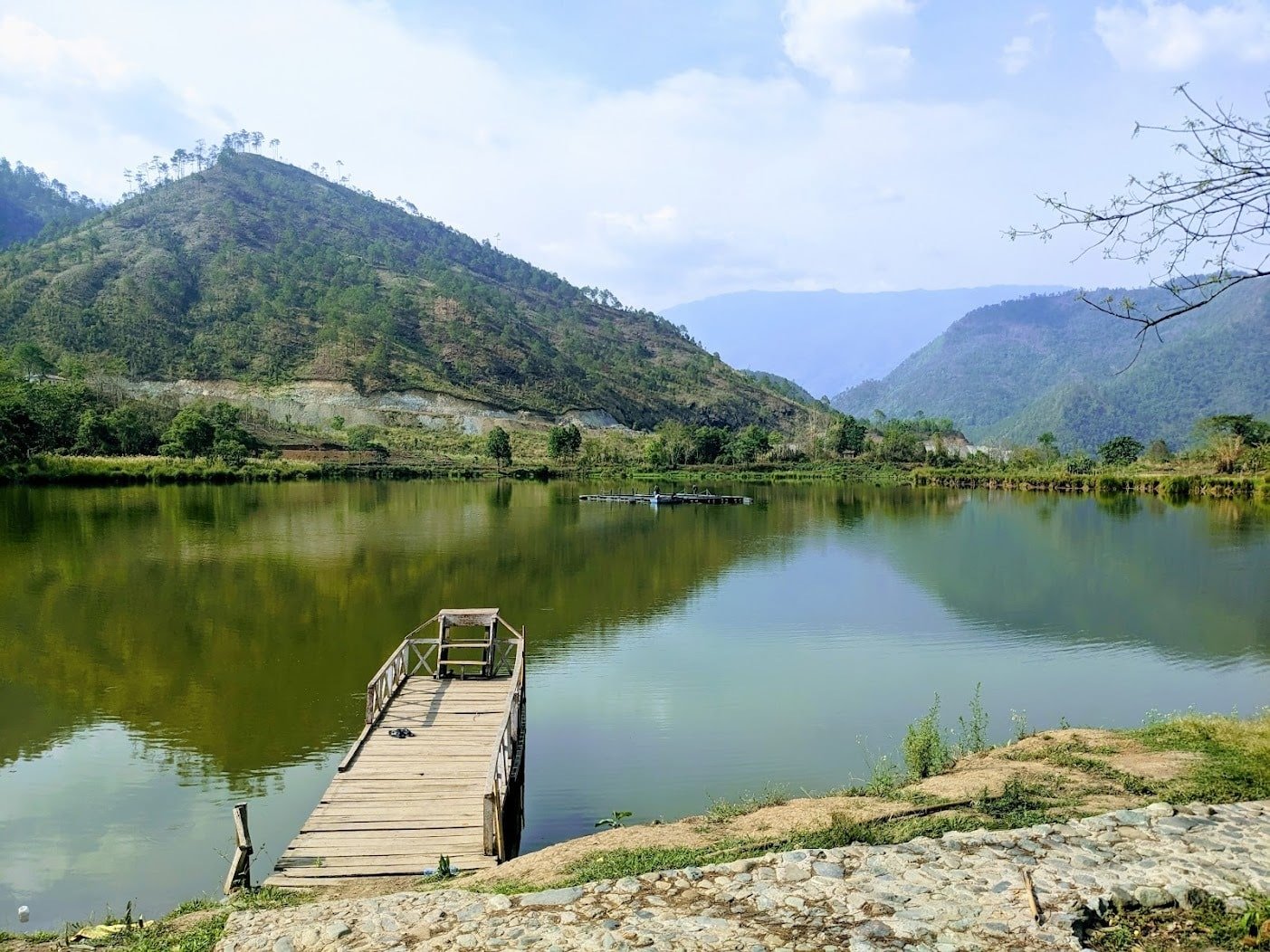
For travellers willing to go far beyond Kohima, Shilloi Lake is one of eastern Nagaland’s interesting natural attractions.
This isn’t a quick Kohima excursion.
Treat eastern Nagaland as a separate journey and give yourself enough buffer time for road conditions.
14. Mon: Gateway to Konyak Country


Now Nagaland changes completely.
Mon district is culturally different from Kohima and deserves several days of its own.
This is Konyak country.
The landscapes, architecture, stories, jewellery, traditions and villages create a very different travel experience.
For travellers fascinated by indigenous culture and remote destinations, Mon is one of the most important places to visit in Nagaland.
15. Longwa Village
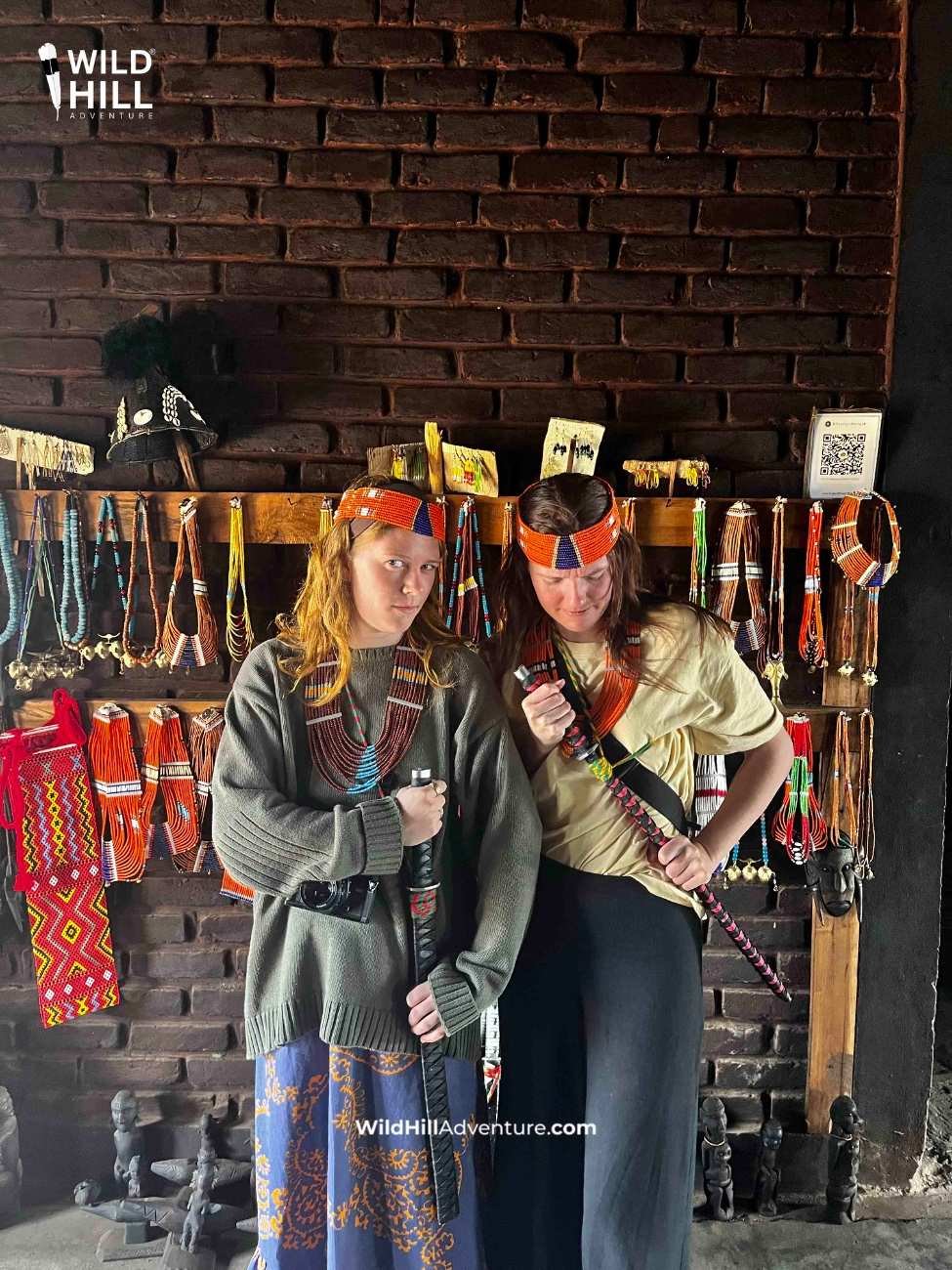
Longwa has become one of Nagaland’s best-known villages.
Its location near the India-Myanmar frontier and the stories surrounding the village chief’s traditional authority have made it famous among travellers.
But don’t visit Longwa simply to take a photograph and leave.
Walk through the village.
Spend time talking with your guide.
Meet craftspeople.
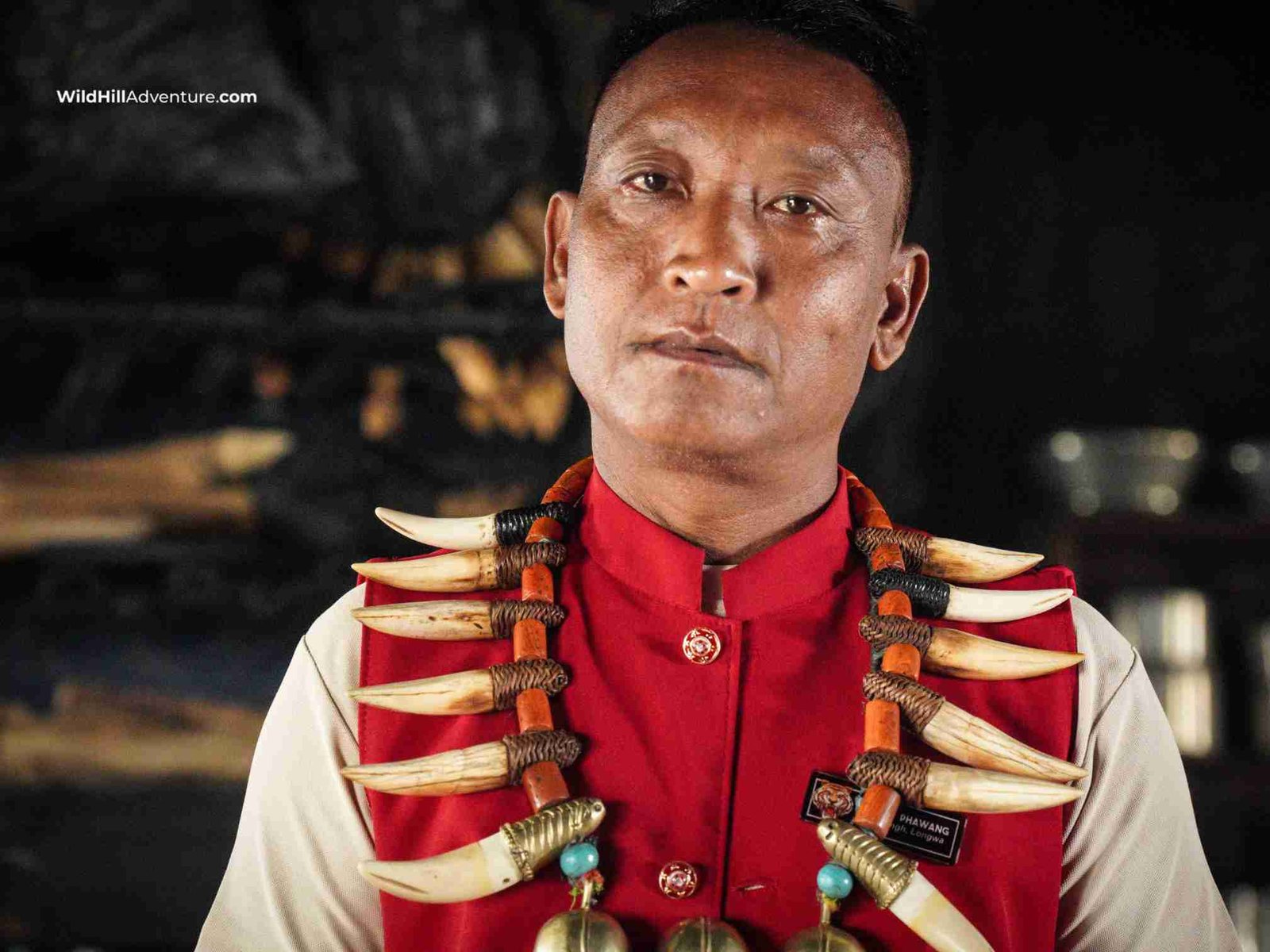
Learn about Konyak traditions.
Stay overnight if your schedule permits.
The cultural experience is far more valuable than simply saying you visited a border village.
16. Hongphoi Village
For travellers exploring Mon district, Hongphoi can provide another opportunity to understand Konyak culture.
Travelling with a knowledgeable local guide makes a huge difference here.
These villages are living communities, not museums.
Treat residents with respect and always ask before photographing people.
17. Shangnyu Village
Shangnyu is another culturally significant Konyak village that can be incorporated into a deeper Mon itinerary.
If you’re travelling this far, don’t build your entire trip around Longwa alone.
18. Aoleang Festival in Mon
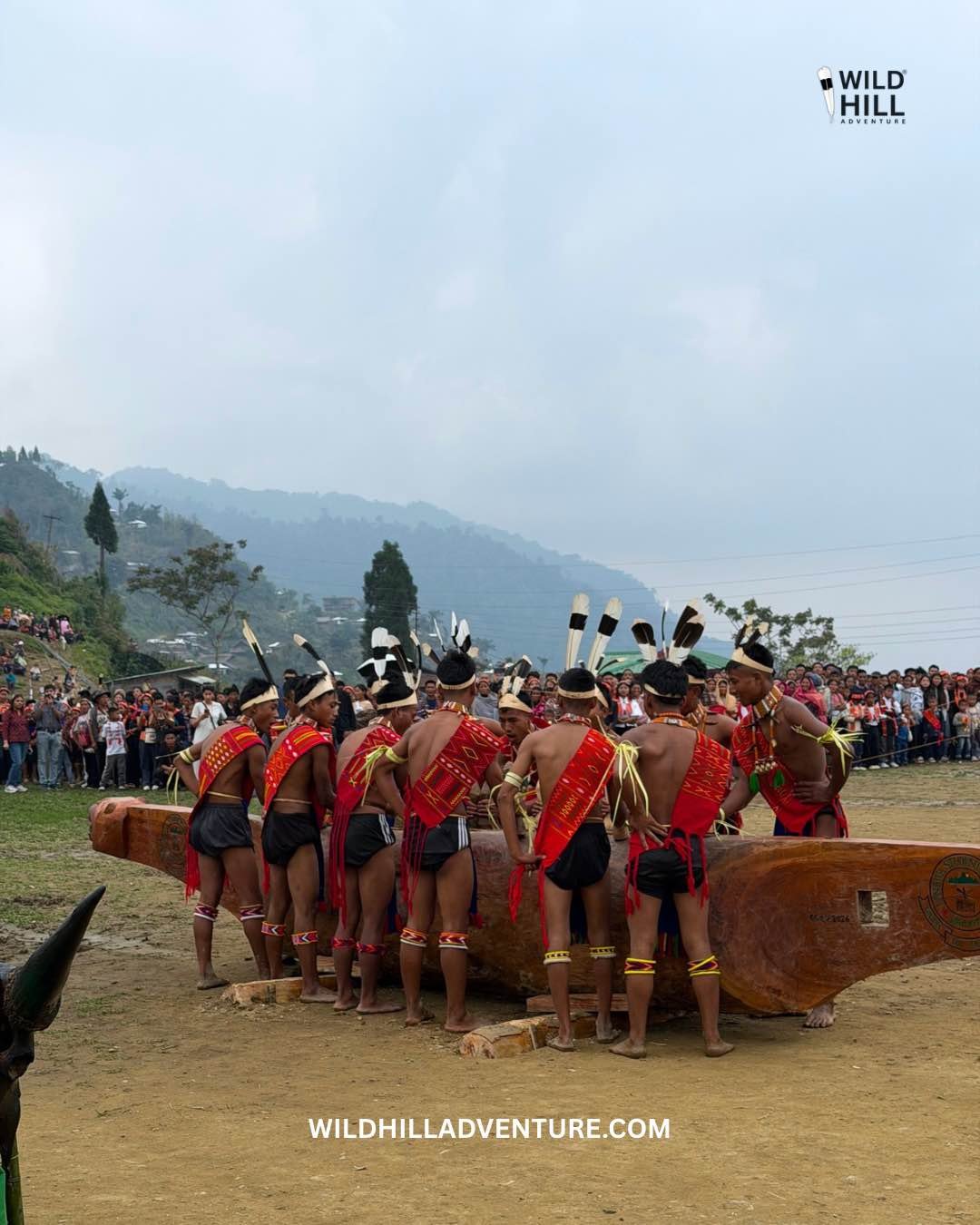
One of the most interesting ways to experience Konyak culture is during Aoleang.
Nagaland Tourism’s festival calendar lists Aoleang for the Konyak community in Mon in early April.
Hornbill is much larger and brings communities together in one venue.
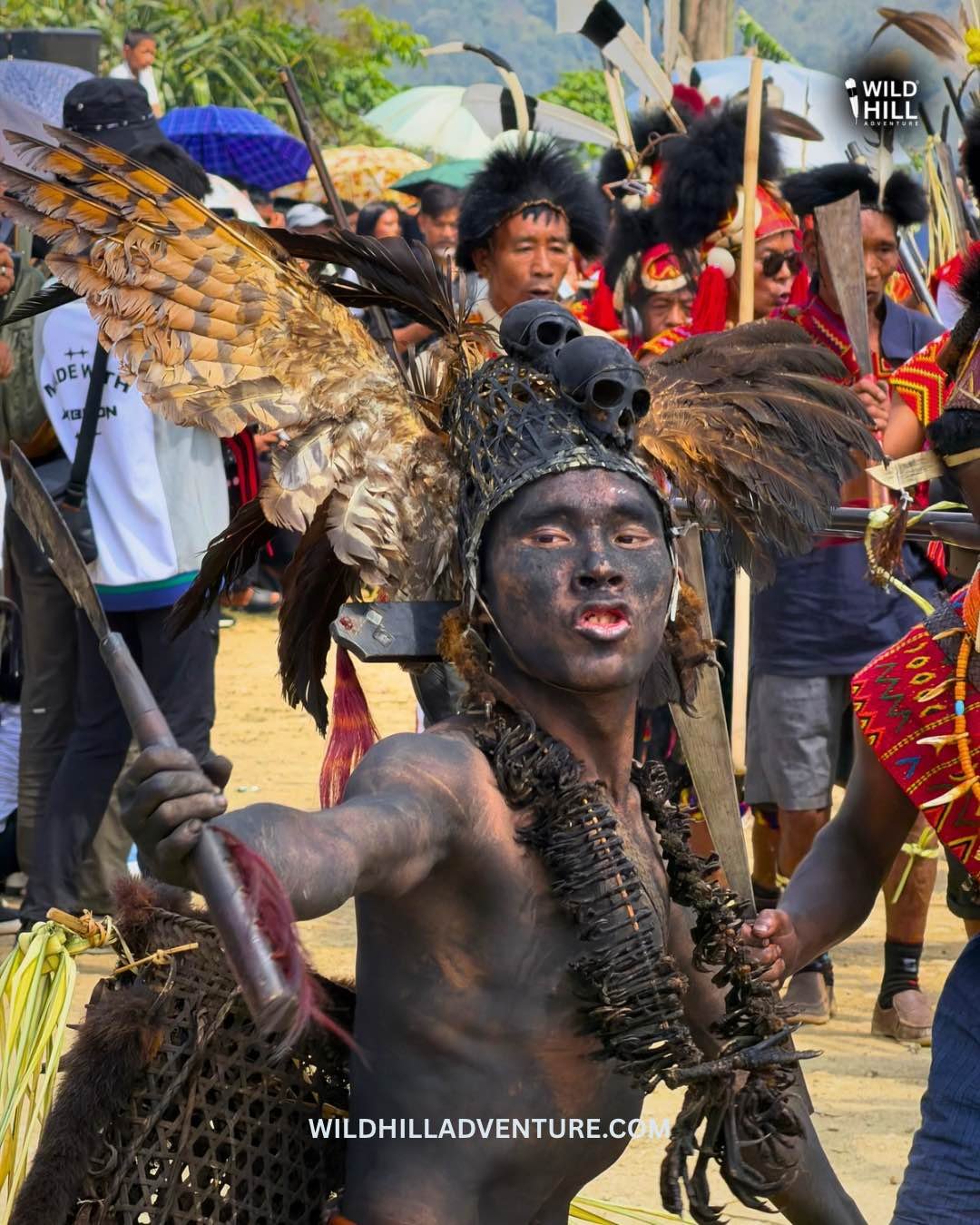
A tribal festival in its home district offers a different kind of experience.
For serious cultural travellers, that distinction matters.
19. Mokokchung
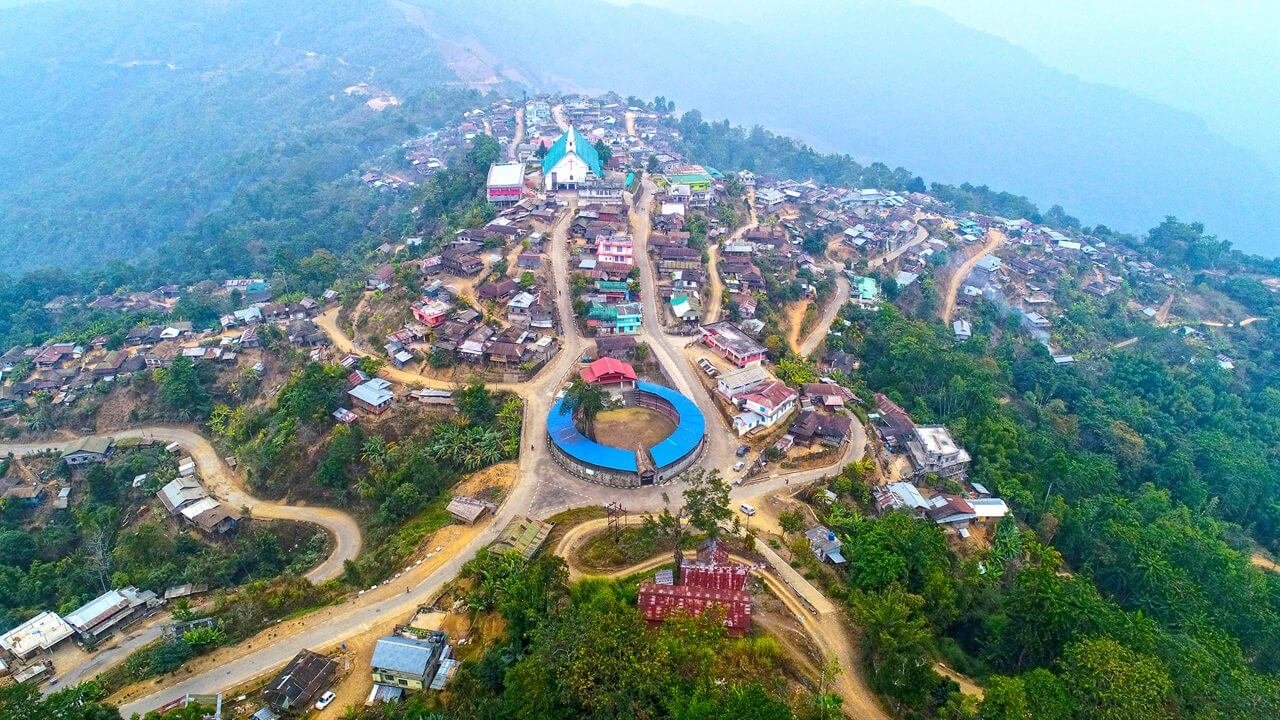
Mokokchung is another region I recommend if you have more than a week in Nagaland.
It is closely associated with the Ao Naga community and makes a good base for exploring nearby villages.
The town feels very different from Kohima and Mon.
Instead of trying to cover the whole state quickly, spending a few days around Mokokchung can help you understand another cultural region of Nagaland.
20. Longkhum
Longkhum is one of the villages worth exploring from Mokokchung.
Its elevated location and surrounding landscapes make it especially attractive for photographers and travellers interested in village tourism.
21. Ungma Village
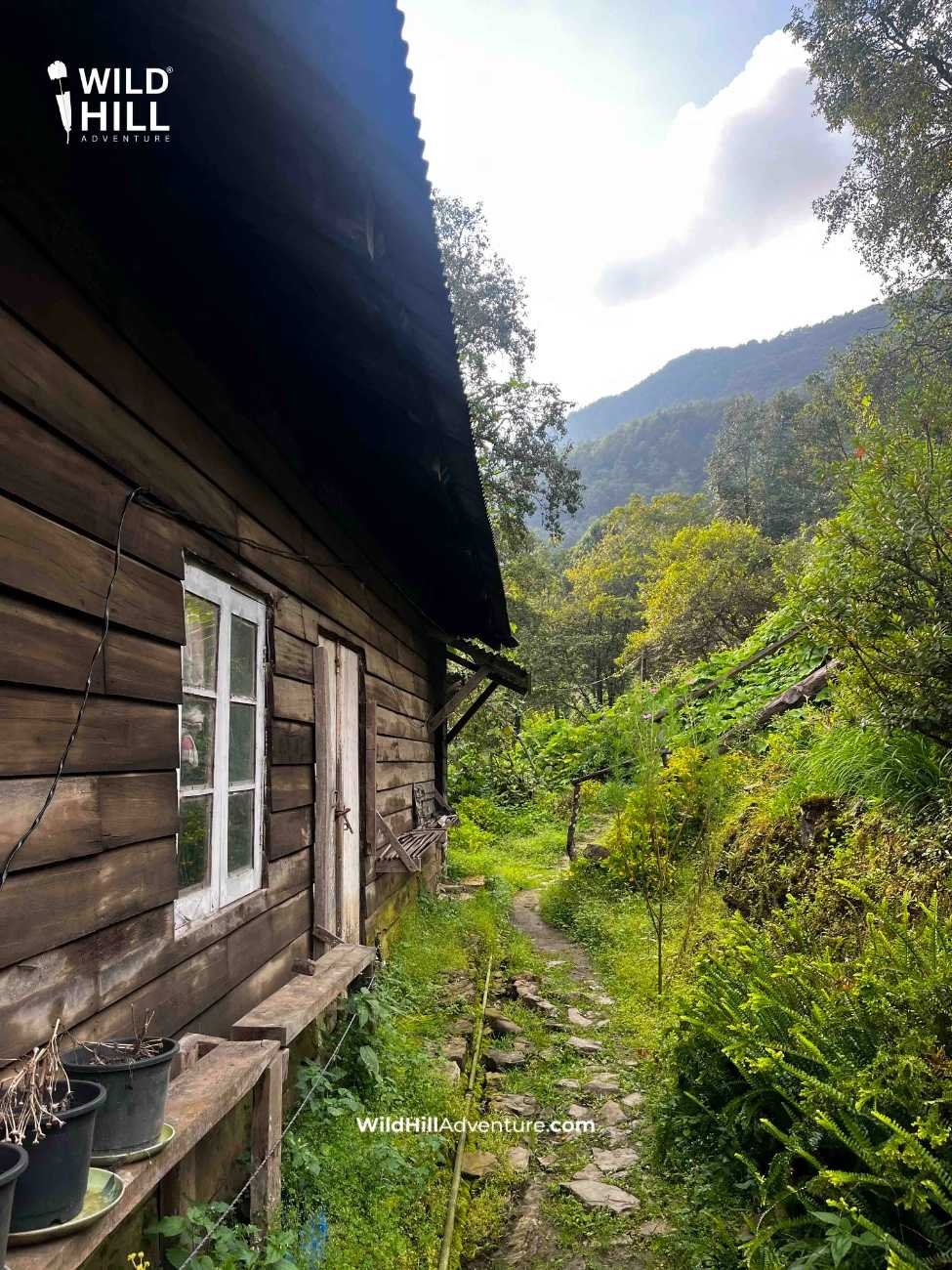
Ungma is an important Ao village near Mokokchung.
This is where having a local guide becomes valuable.
Instead of simply looking at houses and taking photographs, learn about the community’s history, traditions and social structure.
Nagaland becomes far more interesting once you understand what you’re looking at.
22. Wokha and Doyang
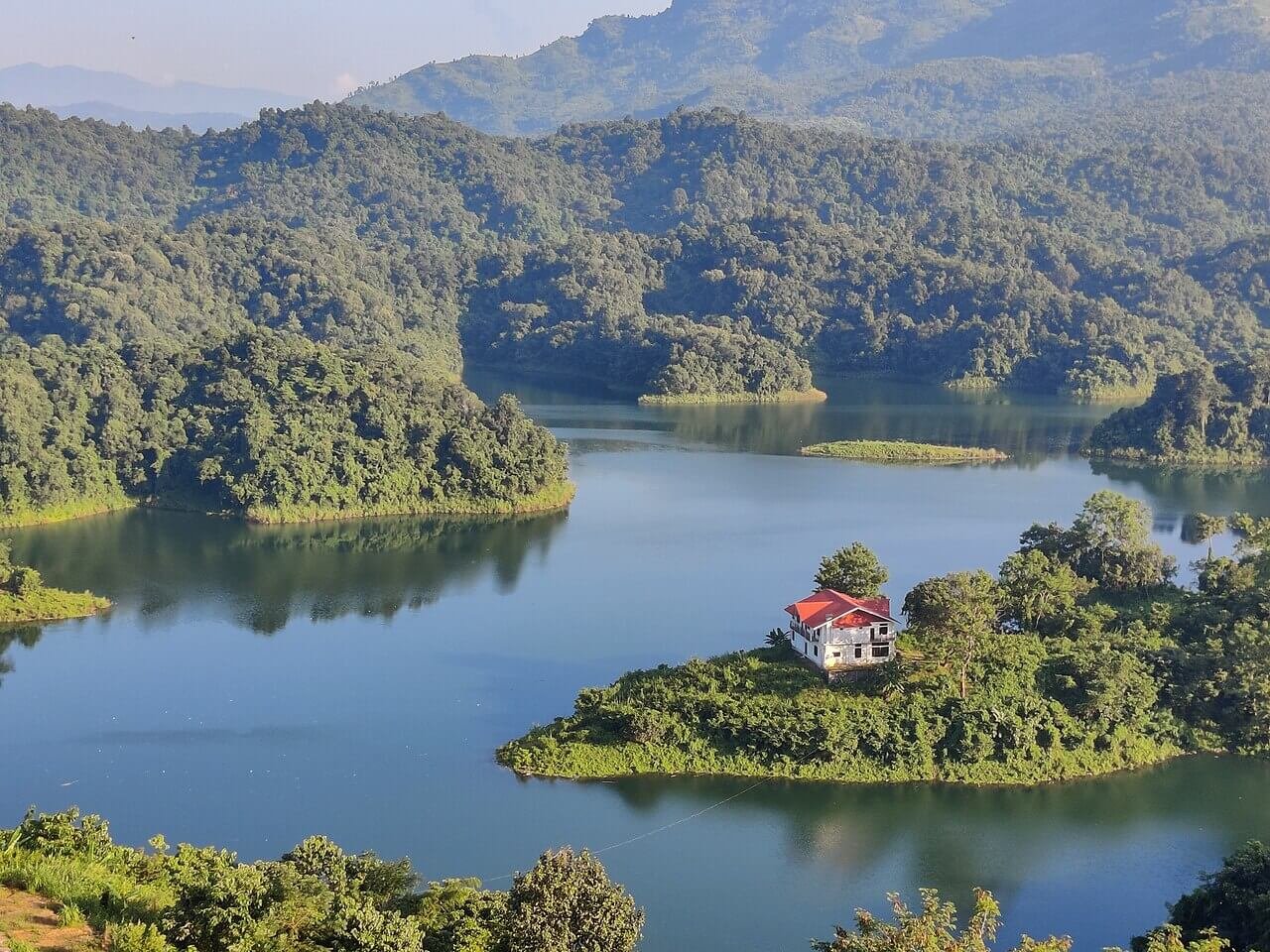
Wokha district offers another completely different landscape.
One of its best-known attractions is Doyang Reservoir, which Nagaland Tourism identifies as a prominent tourist attraction.
This region is particularly interesting for travellers exploring western and central Nagaland beyond the Kohima circuit.
23. Tuophema Tourist Village
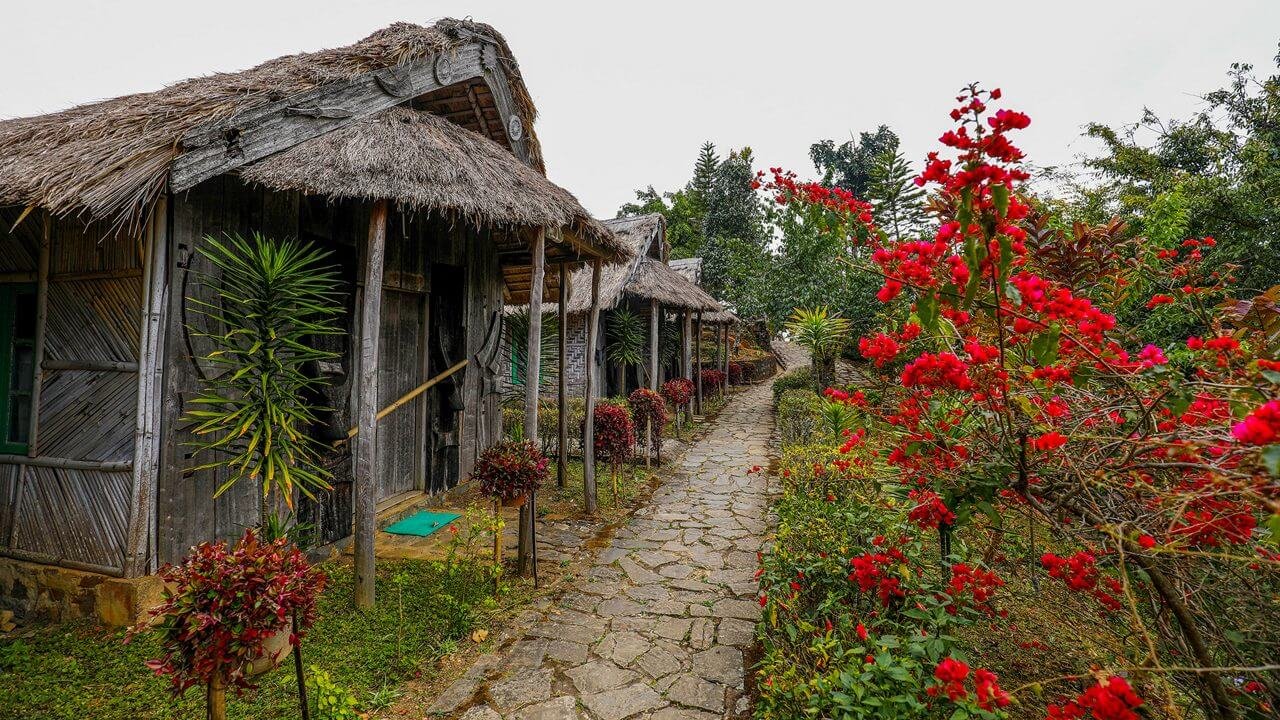
Tuophema is an excellent option for travellers interested in rural tourism.
Nagaland Tourism describes Tuophema Tourist Village as a model village for rural homestays.
This is exactly the style of travel I think suits Nagaland.
Stay locally.
Eat locally.
Talk to people.
Understand village life rather than simply checking another destination off your list.
24. Kiphire: Nagaland for Serious Adventure Travellers
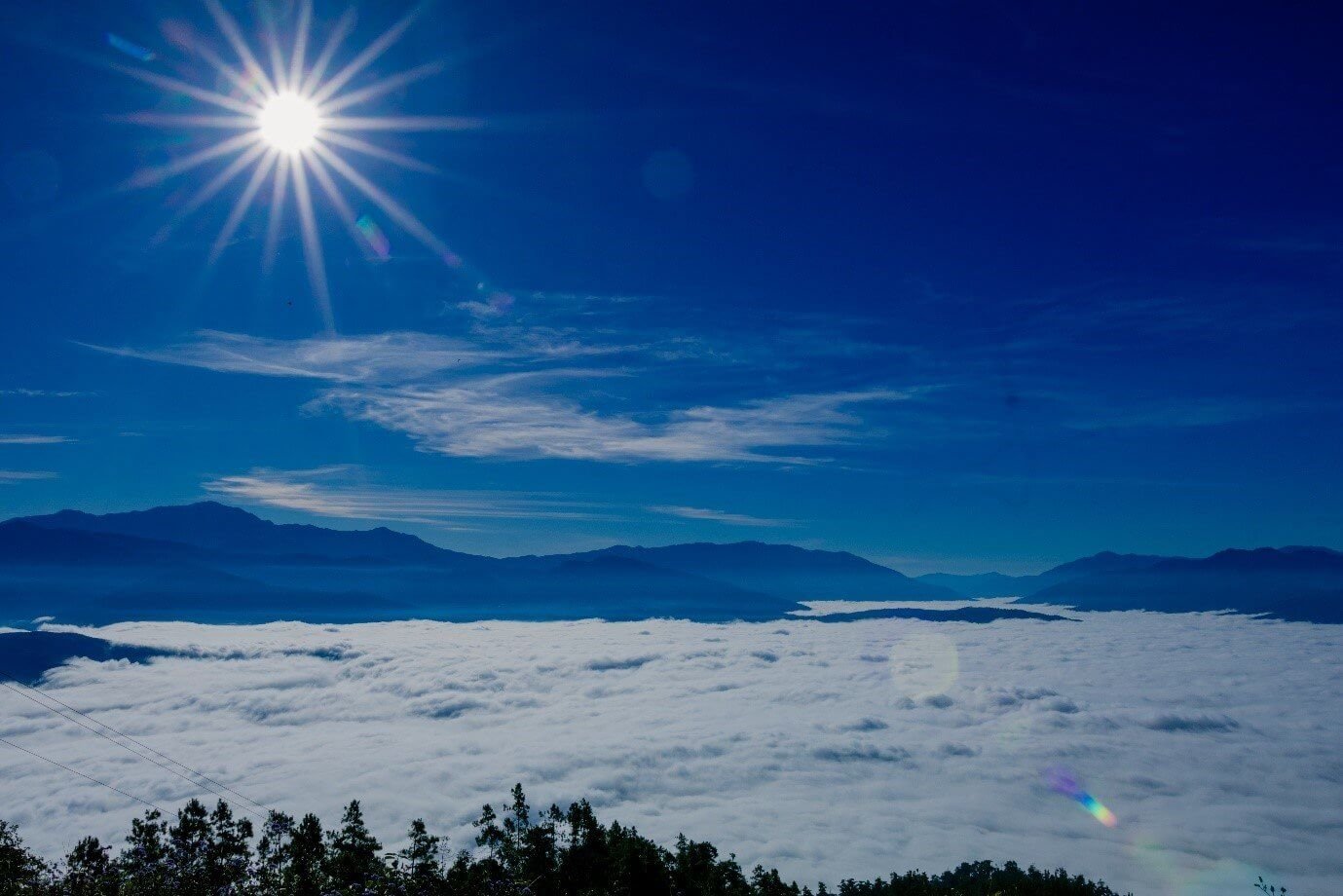
If Kohima is the easy introduction to Nagaland, Kiphire represents its adventurous side.
Nagaland Tourism itself promotes the district under the title “Kiphire District: Where Adventure Begins.”
Remote villages, mountains and lesser-visited landscapes make this an exciting region.
But don’t add Kiphire casually to a short itinerary.
Distances and road conditions mean you need time.
This is where Nagaland becomes a proper expedition.
25. Thanamir
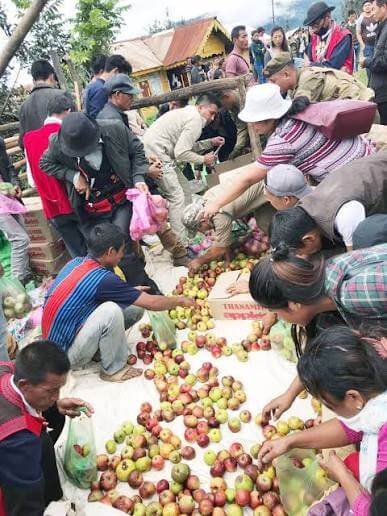
Thanamir is particularly interesting for travellers who enjoy remote villages, agriculture and community experiences.
The official tourism calendar lists an Apple Festival at Thanamir during the first week of September.
Trips into this region require much more planning than Kohima or Hornbill Festival.
But that is precisely why adventurous travellers may love it.
Best Places to Visit in Nagaland for First-Time Visitors
If you have never visited Nagaland before, don’t attempt to see everything.
My recommended first-trip circuit would be:
Dimapur → Kohima → Kisama → Khonoma → Dzüleke → Dzukou Valley
With additional time:
→ Pfutsero → Kapamodzü
For a second or longer trip:
Mon → Longwa → Konyak villages
And for travellers who want to go deeper:
Mokokchung → Wokha → Phek → Kiphire → Meluri and eastern Nagaland
How Many Days Do You Need for Nagaland?
For a first trip, 6 to 8 days is a good starting point.
A comfortable itinerary could look like:
Day 1: Dimapur to Kohima
Day 2: Kohima sightseeing + Kisama
Day 3: Khonoma + Dzüleke
Day 4: Dzukou Valley trek
Day 5: Dzukou → Kohima
Day 6: Pfutsero + Kapamodzü
Day 7: Return
If you’re adding Mon and Longwa, I would rather have 10 to 14 days than rush everything.
Best Time to Visit Nagaland
There isn’t one universal best season.
October to November
Excellent for relatively clear weather, road trips, village exploration and photography.
December
Best for the Hornbill Festival, which is officially scheduled for 1-10 December 2026. (
It is also peak tourist season around Kohima and Kisama, so book accommodation early.
March to April
Very interesting for cultural travellers because different community festivals take place during the year, including Aoleang in Mon.
Monsoon
Nagaland becomes unbelievably green.
I personally love it.
Khonoma’s paddy fields, Dzüleke, Kapamodzü and the mountain roads can look incredible.
But rain also means fog, landslides, mud and difficult road conditions.
So monsoon Nagaland is beautiful, but you need flexibility.
Do You Need an ILP for Nagaland?
Indian travellers should check the latest Inner Line Permit (ILP) requirements before entering Nagaland.
The Government of Nagaland provides an official ILP route through its state portal, and visitors should verify the latest rules before travelling rather than relying on old travel blogs or social media posts.
Foreign nationals should similarly verify current entry and registration requirements before travel because regulations can change.
The Biggest Mistake Travellers Make in Nagaland
Trying to cover too much.
Nagaland looks small on a map.
But mountain roads change everything.
A destination that appears close geographically can require several hours of driving.
Road conditions also vary considerably.
.
Why Village Tourism Is the Best Way to Experience Nagaland
This is something years of travelling here have taught me.
Nagaland’s greatest attraction isn’t one waterfall or one viewpoint.
It is the villages and people.
The government itself is increasingly highlighting community-based tourism, including successful initiatives in Khonoma and Dzüleke.
Stay in homestays.
Hire village guides.
Buy locally produced honey and handicrafts.
Eat food prepared by families.
Learn a few words.
Listen to stories.
Ask before photographing someone.
That money remains within the community, and your travel experience becomes far richer.
Why Travel Nagaland With Wild Hill Adventure?
Nagaland isn’t a destination we learned from Google Maps.
We’ve been travelling and operating trips here for years.
We’ve taken guests into Dzukou Valley, stayed in Khonoma and Dzüleke, driven the rough roads towards Kapamodzü, explored Kohima repeatedly, attended Hornbill Festival and travelled into remote communities.
That local experience becomes important because travelling in Nagaland isn’t always predictable.
Roads change.
Weather changes.
Network disappears.
Homestays may have limited rooms.
Local guides need to be coordinated.
Remote routes require realistic travel times.
And sometimes the best experience isn’t even written in the itinerary.
It might be tea inside someone’s home.
A conversation with an elderly villager.
An unexpected sunset.
A night around a bonfire.
Or stopping the vehicle because the clouds suddenly open over a valley.
That’s the Nagaland we want our guests to experience.
FAQs About Places to Visit in Nagaland
1. What are the best places to visit in Nagaland?
Some of the best places to visit in Nagaland are Kohima, Dzukou Valley, Khonoma Village, Dzüleke Village, Kisama Heritage Village, Pfutsero, Kapamodzü Peak, Mon, Longwa Village, Mokokchung, Doyang Reservoir, Tuophema, Kiphire and Shilloi Lake. First-time visitors should usually start with Kohima and nearby destinations before exploring the more remote districts.
2. How many days are enough for a Nagaland trip?
For a first Nagaland trip, 6 to 10 days is ideal. This gives you enough time to explore Kohima, Kisama, Khonoma, Dzüleke and Dzukou Valley without rushing. If you also want to visit Mon, Longwa and other Konyak villages, plan around 10 to 14 days.
3. What are the best places to visit near Kohima?
Popular places near Kohima include Khonoma Village, Dzüleke Village, Dzukou Valley, Kisama Heritage Village, Jakhama and Kigwema. With additional time, you can travel farther towards Pfutsero and Kapamodzü Peak.
4. What is the best time to visit Nagaland?
October to April is generally the most convenient period for travelling around Nagaland. December is especially popular because of the Hornbill Festival. Monsoon brings spectacular greenery and rice fields, but heavy rain, fog, slippery roads and occasional disruptions can make travel more challenging.
5. Is Nagaland worth visiting?
Yes. Nagaland is particularly worth visiting for travellers interested in tribal culture, traditional villages, trekking, mountains, festivals, local food and offbeat travel. It is very different from conventional tourist destinations and is best experienced slowly rather than through rushed sightseeing.
6. Is Nagaland safe for tourists?
Nagaland is visited by solo travellers, couples, families and groups. As with any unfamiliar destination, travellers should follow current local advice, respect village customs, avoid unnecessary late-night travel on remote roads and use experienced local drivers or guides when exploring lesser-known areas.
7. Do tourists need an Inner Line Permit to visit Nagaland?
Indian citizens should check the current Inner Line Permit (ILP) requirements before travelling to Nagaland. Permit rules and procedures can change, so always verify the latest requirements through official government channels before your trip.
8. Which is the most beautiful place in Nagaland?
There is no single answer, but Dzukou Valley is one of Nagaland’s most famous natural landscapes. For village scenery, Khonoma and Dzüleke are beautiful, while Kapamodzü and the Phek region offer spectacular mountain landscapes.
9. What is Nagaland famous for?
Nagaland is famous for its indigenous Naga cultures, Hornbill Festival, traditional villages, colourful festivals, handicrafts, food, music, Dzukou Valley, Konyak communities and mountainous landscapes. The state’s cultural diversity is one of the main reasons to visit.
10. When is the Hornbill Festival held in Nagaland?
The Hornbill Festival is traditionally held in early December at Kisama Heritage Village near Kohima. For 2026, it is scheduled from 1 to 10 December. It is one of the best times for first-time visitors to experience different Naga cultural traditions in one place.
11. Is Dzukou Valley worth visiting?
Absolutely. Dzukou Valley is one of the top places to visit in Nagaland for nature and adventure lovers. The trek takes you through mountain landscapes before reaching the famous rolling valley. Staying overnight allows you to experience sunset, stargazing and sunrise conditions if the weather is favourable.
12. Can beginners trek to Dzukou Valley?
Yes, reasonably fit beginners can trek to Dzukou Valley, but they should be prepared for steep sections, stairs, uneven terrain and changing weather. The Jakhama approach is generally considered steeper, while the Viswema approach is longer but preferred by many travellers looking for a comparatively easier ascent.
13. Is Khonoma Village worth visiting?
Yes. Khonoma is one of the best villages to visit near Kohima, especially for travellers interested in Angami culture, conservation, traditional architecture and terraced rice fields. You can visit it as a day trip from Kohima or stay overnight for a quieter village experience.
14. What is special about Dzüleke Village?
Dzüleke is known for its peaceful rural setting, river, forests, agricultural landscapes and limited mobile connectivity. It is an excellent place to disconnect from city life. Homestays, village walks and camping experiences make it particularly suitable for slow travellers and nature lovers.
15. What are the best offbeat places to visit in Nagaland?
For travellers looking beyond the main tourist circuit, consider Dzüleke, Kapamodzü Peak, Pfutsero, Khezhakeno, Longkhum, Kiphire, Thanamir, Shilloi Lake and lesser-visited villages of Phek and Mon districts. Some of these destinations require additional travel time and local planning.
16. Is Longwa Village worth visiting?
Yes, particularly if you are interested in Konyak culture and remote village experiences. Longwa is located in Mon district near the India-Myanmar frontier. Instead of making it only a photo stop, spend time walking through the village with a local guide and learning about Konyak history, crafts and traditions.
17. How far is Mon from Kohima, and can it be done as a day trip?
No. Mon should not be planned as a day trip from Kohima. Nagaland’s mountain roads make travel times much longer than distances on a map may suggest. Mon and Longwa are better treated as a separate 3 to 4-day extension to a Nagaland itinerary.
18. What food should I try in Nagaland?
Try traditional Naga meals featuring rice, seasonal vegetables, bamboo shoot preparations, smoked or locally prepared meats, chutneys and fermented ingredients, depending on the community and destination. Food varies significantly between Naga communities, so eating at local homestays can be one of the best parts of travelling through Nagaland.
19. Can I visit Nagaland during monsoon?
Yes, and monsoon Nagaland can be exceptionally beautiful. Khonoma’s rice terraces, Dzüleke and the Phek region become intensely green, while clouds and mist transform the mountains. However, expect heavy rainfall, muddy or slippery roads, fog and possible travel delays. Keep buffer time in your itinerary.
20. What is the best Nagaland itinerary for first-time visitors?
For your first trip, a good route is Dimapur → Kohima → Kisama → Khonoma → Dzüleke → Dzukou Valley → Kohima. If you have additional days, extend the journey towards Pfutsero and Kapamodzü Peak. Travellers with 10 to 14 days can add Mon and Longwa for a deeper cultural experience.
21. Is vegetarian, Jain, or halal food available during the Hornbill Festival and in Nagaland?
Yes, vegetarian, Jain, and halal-friendly meals can be arranged in Nagaland, but travellers should not expect these options to be easily available everywhere, especially in remote villages and during road trips.
Nagaland’s traditional cuisine is heavily meat-based, and dedicated Jain or halal restaurants are limited outside the main towns. Vegetarian dishes are available, but travellers with strict dietary requirements should plan in advance.
At Wild Hill Adventure, we regularly host vegetarian, Jain, and groups with specific dietary requirements. At our dedicated stays and camps, we can arrange and prepare meals according to guests’ requirements with advance notice.
For travellers who require strict Jain food, vegetarian food, or halal-friendly meals, inform our team before the trip so we can plan meals and accommodation accordingly.
Why Choose Wild Hill Adventure for Your Nagaland & Northeast India Trip?
Travelling through Nagaland and Northeast India is very different from travelling through India’s more established tourist circuits.
Here, road conditions can change, permits matter, accommodation in remote villages is limited, mobile networks can disappear, and some of the most memorable places are not always easy to find online.
This is where travelling with a local Northeast-based company like Wild Hill Adventure makes a real difference.
We Are From Northeast India
Northeast India is not simply another destination we sell.
It is our home.
Our team has spent years travelling through Nagaland, Assam, Meghalaya, Arunachal Pradesh and other parts of the Northeast. We personally explore many of the routes and destinations before recommending them to our guests.
That local experience helps us understand not only where to go, but how to travel these regions properly.
We Personally Explore the Routes
Many of the places we include in our itineraries are places we have personally travelled to.
In Nagaland, our journeys have taken us through places such as:
- Kohima
- Kisama Heritage Village
- Dzukou Valley
- Khonoma
- Dzüleke
- Jakhama
- Pfutsero
- Kapamodzü Peak
- Longwa
- Mon and the Konyak region
Our Kapamodzü journey is a good example. We have experienced the route ourselves during monsoon, driven through difficult road sections, stayed near the peak, eaten there and explored the Pfutsero side.
That experience helps when we’re planning the same journey for a guest.
Strong Experience With the Hornbill Festival
Nagaland becomes extremely busy during the Hornbill Festival.
Accommodation fills up, Kohima traffic becomes heavy and first-time visitors can easily underestimate travel times.
Because we regularly operate Hornbill Festival trips, we can help guests plan the festival together with destinations such as Dzukou Valley, Khonoma, Dzüleke, Kapamodzü, Pfutsero and Longwa rather than simply visiting Kisama and returning home.
Local Guides and Community Connections
For us, a Nagaland trip shouldn’t only mean taking photographs from viewpoints.
We work with local people wherever possible.
Local guides can help travelers understand village history, tribal traditions, food, agriculture and everyday life in a way that simply driving through a destination cannot.
It also means tourism money reaches the communities travelers have actually come to experience.
We Take You Beyond the Usual Tourist Circuit
If you only search online, most Nagaland itineraries look similar:
Dimapur → Kohima → Hornbill Festival → Dzukou → Return.
There is much more to Nagaland.
Depending on your interests and available time, we can build journeys around remote villages, trekking, culture, food, photography, mountains and border regions.
Sometimes the best experience isn’t even a famous attraction.
It could be stopping beside a beautiful rice field, eating a local thali at Mao, visiting a vegetable farm near Pfutsero or spending an evening talking with people you have just met.
Those are the experiences we personally enjoy, and they influence the way we design our trips.
We Understand Northeast India’s Road Conditions
Google Maps doesn’t always tell the complete story here.
A road showing three hours can take considerably longer because of rain, landslides, construction or poor road conditions.
We plan journeys with these realities in mind.
For remote destinations and monsoon journeys, we can also select vehicles according to the route and current conditions rather than simply choosing the cheapest available option.
Permits Become Easier
Several parts of Northeast India have permit requirements.
Depending on the destination and nationality, travelers may need documents such as an Inner Line Permit (ILP) or other permissions.
Our team helps guests understand and arrange the applicable permits for their itinerary so they don’t have to figure everything out after arriving.
Private and Customized Northeast Trips
Not everyone wants the same holiday.
Some travelers want photography.
Some want trekking.
Some want culture and villages.
Others want comfortable hotels and relaxed sightseeing.
Instead of forcing every traveler into exactly the same itinerary, we can customize trips according to your time, interests, comfort level and budget.
On-Ground Support Matters Here
This is probably one of the most underestimated advantages of booking with a local operator.
When everything goes according to plan, arranging a trip looks easy.
The difference becomes obvious when something changes.
Bad weather, a road closure, delayed arrival, vehicle problem or accommodation issue can require quick local coordination.
Having a team operating within Northeast India gives travelers someone on the ground who can help find alternatives.
We Prefer Real Experiences Over Checklist Tourism
Our philosophy is simple:
Don’t just see Northeast India. Experience it.
Eat local food.
Stay in villages when appropriate.
Talk to people.
Walk through local markets.
Learn why communities protect their forests.
Understand the stories behind tribal traditions.
And sometimes, forget the itinerary for an hour and simply sit looking at the mountains.
That’s the kind of Northeast India we want our guests to experience.
Travel Northeast India With People Who Call It Home
Whether you’re planning the Hornbill Festival, Dzukou Valley Trek, Kapamodzü Peak, Longwa Village, an offbeat Nagaland road trip, or a longer journey combining Nagaland with Assam and other Northeast states, Wild Hill Adventure can help you design the trip around what you actually want to experience.
We don’t want to show you Northeast India only as a collection of tourist attractions.
We want to show you the Northeast that we know, travel through and love ourselves.
Contact us
- Phone/WhatsApp: +91 9365476611
- Instagram: @wildhilladventure
- Email: wildhilladventure@gmail.com
- Website: www.wildhilladventure.com

0 Comment