


Longwa Village Travel Guide
Headhunters, Angh’s House, India-Myanmar Border & Konyak Culture
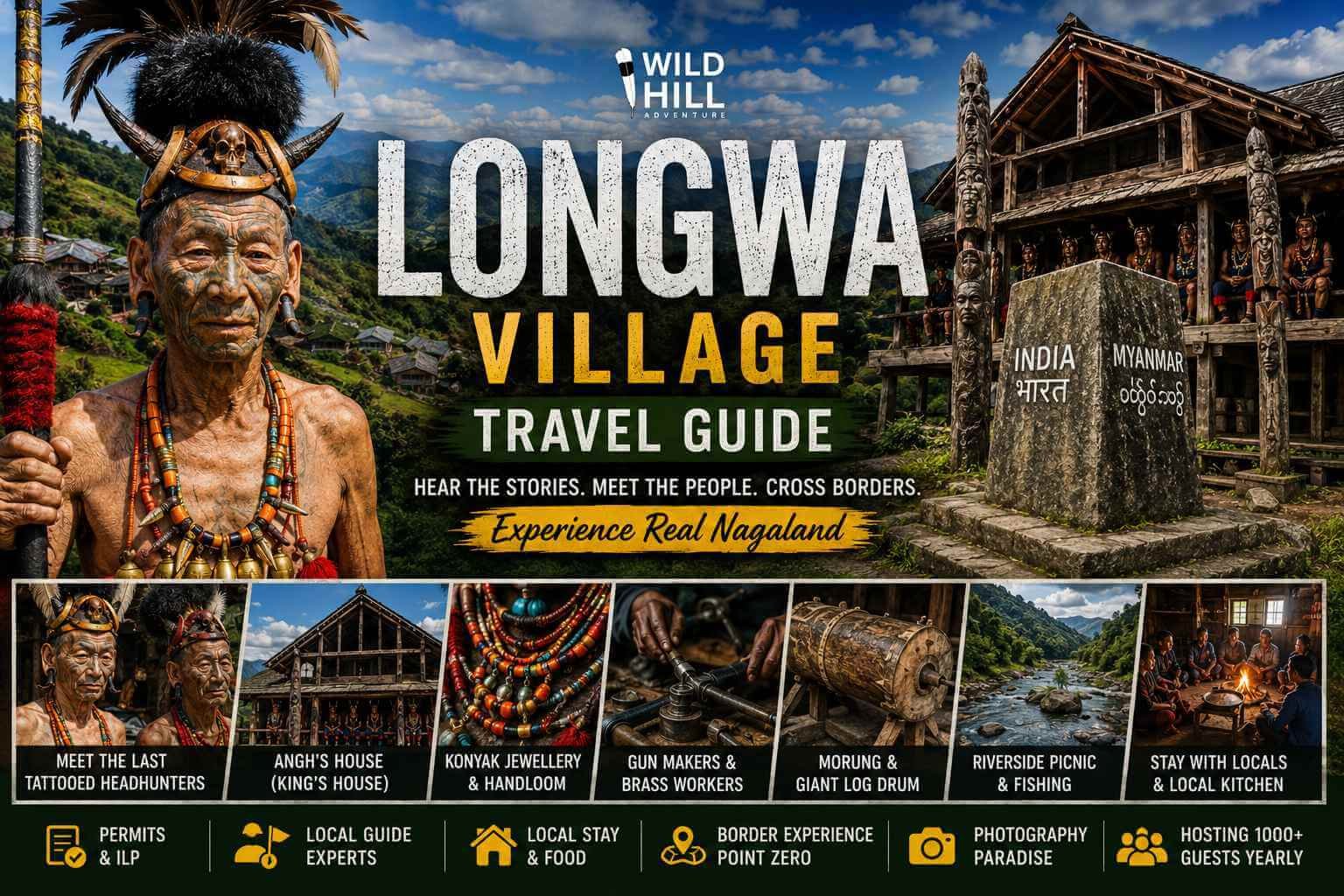
If you are looking for a Longwa Village Travel Guide, chances are you have already seen photographs of tattooed Konyak warriors, the famous India-Myanmar border, traditional guns, enormous log drums and the Angh’s house said to sit along the international boundary.
But Longwa is much more than taking a photograph at a border pillar.
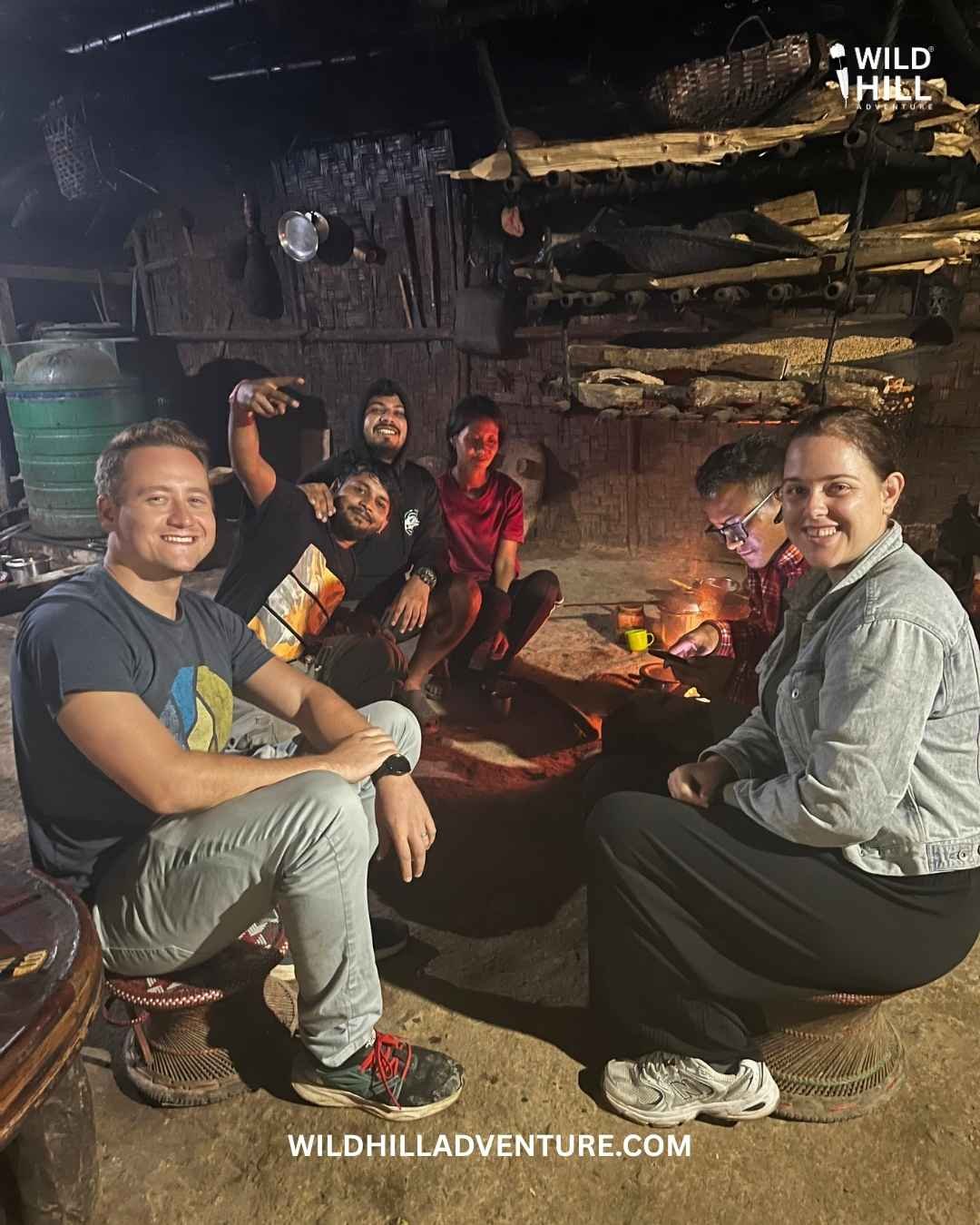
For us, the real experience of Longwa begins when you sit inside a local kitchen, drink tea beside the fire, listen to stories from elderly Konyak people, walk through the village with a local guide, meet craftsmen, visit farms and spend enough time here to understand the community.
We at Wild Hill Adventure have hosted many Indian as well as international guests in the Mon and Longwa region over the years. One thing we have learned is that Longwa should never be rushed.
If possible, give it at least two nights. If you are genuinely interested in Konyak culture, photography and village life, three nights can be even better.
This detailed Longwa Village Travel Guide covers the experiences we recommend, including the Angh’s house, tattooed former headhunters, Konyak jewellery, traditional handloom, gunsmiths, brass workers, morungs, log drums, village walks, farming, fishing, picnics and nearby Konyak villages.
Longwa Village at a Glance
Location: Mon district, Nagaland
Community: Konyak Naga
Nearest major town: Mon
Known for: Konyak culture, tattooed former warriors, Angh system, India-Myanmar border landscape, traditional craftsmanship
Recommended stay: 3-5 nights
Best experience: Local homestay + local guide
Ideal for: Culture, photography, anthropology, slow travel, village experiences and offbeat travel
Why Is Longwa Village Famous?

Longwa is one of the best-known Konyak villages in Nagaland.
It sits in the remote hills of Mon district, close to the India-Myanmar international boundary.
But geography is only one part of its story.
Longwa is part of the cultural heartland of the Konyak Nagas, a community famous for its distinctive traditions, craftsmanship, warrior history, tattoo culture, beadwork and village institutions.
The older generation grew up in a world dramatically different from modern Nagaland.
Spend time with them and Longwa stops feeling like another sightseeing destination.
It becomes a place of stories.
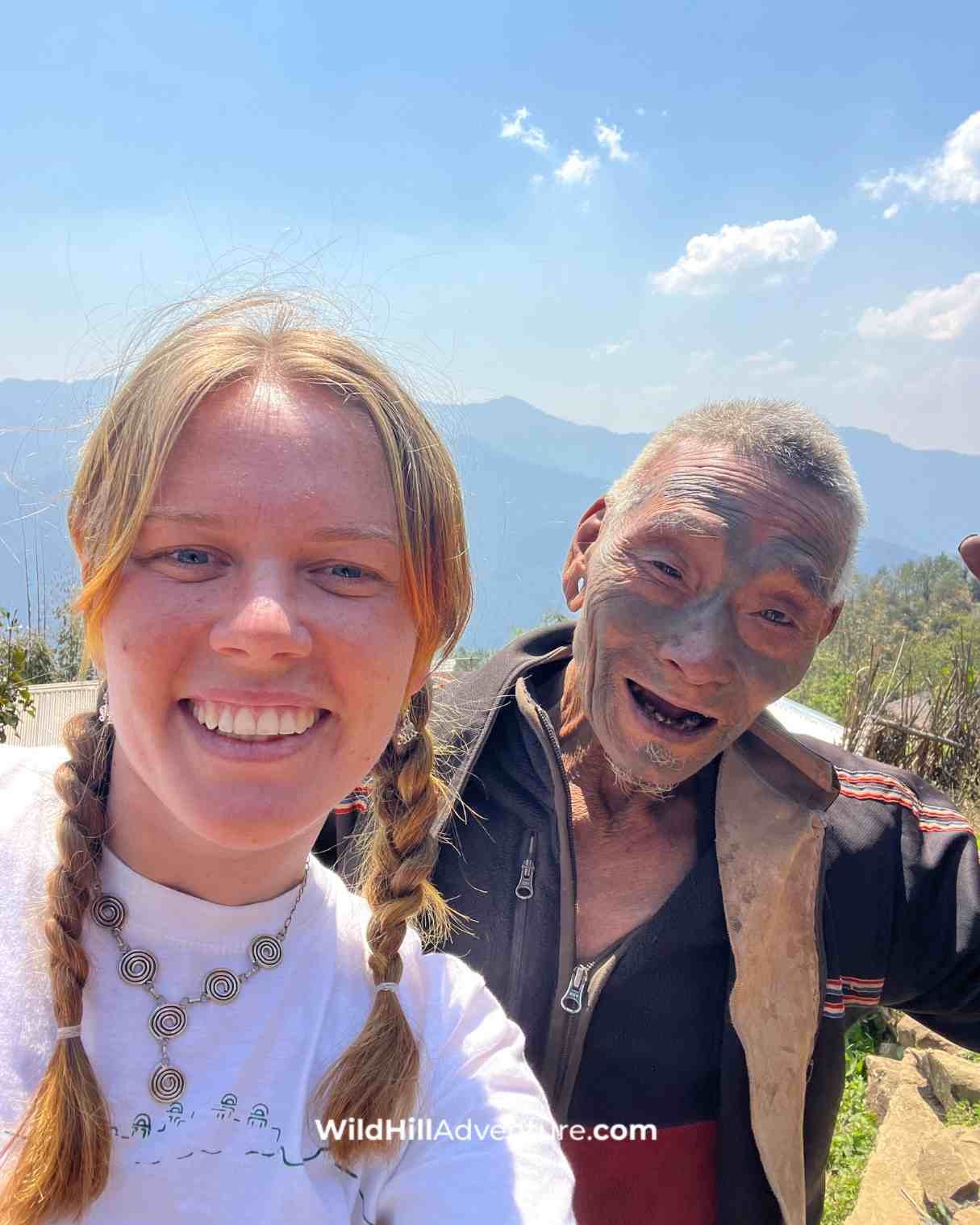
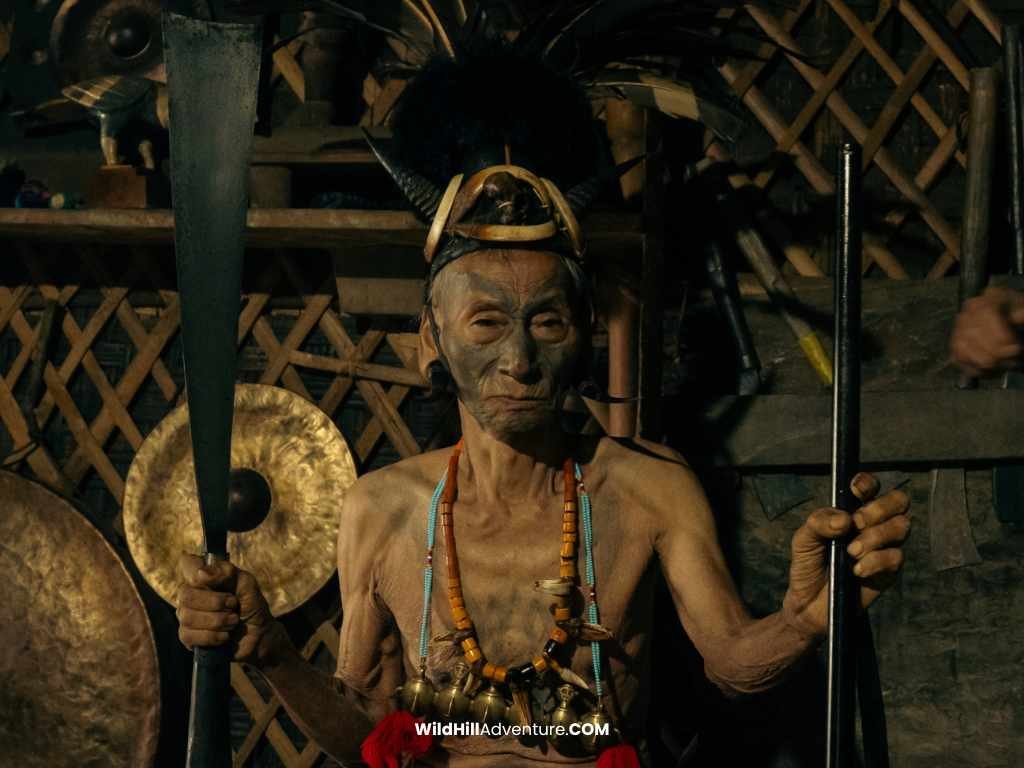
Meeting the Tattooed Former Headhunters of Longwa
This is understandably one of the experiences travellers are most curious about.
The Konyaks are widely associated with the historic practice of headhunting, which ended generations ago. Some elderly men belonging to that earlier warrior generation are still alive today.
Their tattoos can have deep social and historical significance.
But there is something we always tell our guests:
Don’t treat these elders like tourist attractions.
Meet them respectfully.
Sit with them.
Listen.
Ask permission before taking close portraits.
And when possible, have a knowledgeable local guide translate and explain the context behind their stories.
Some of our most memorable moments in Mon district haven’t come from sightseeing. They have come from simply sitting inside someone’s house and listening.
As this generation grows older, such encounters are becoming increasingly rare.
Listen to the Stories Behind the Headhunting Era
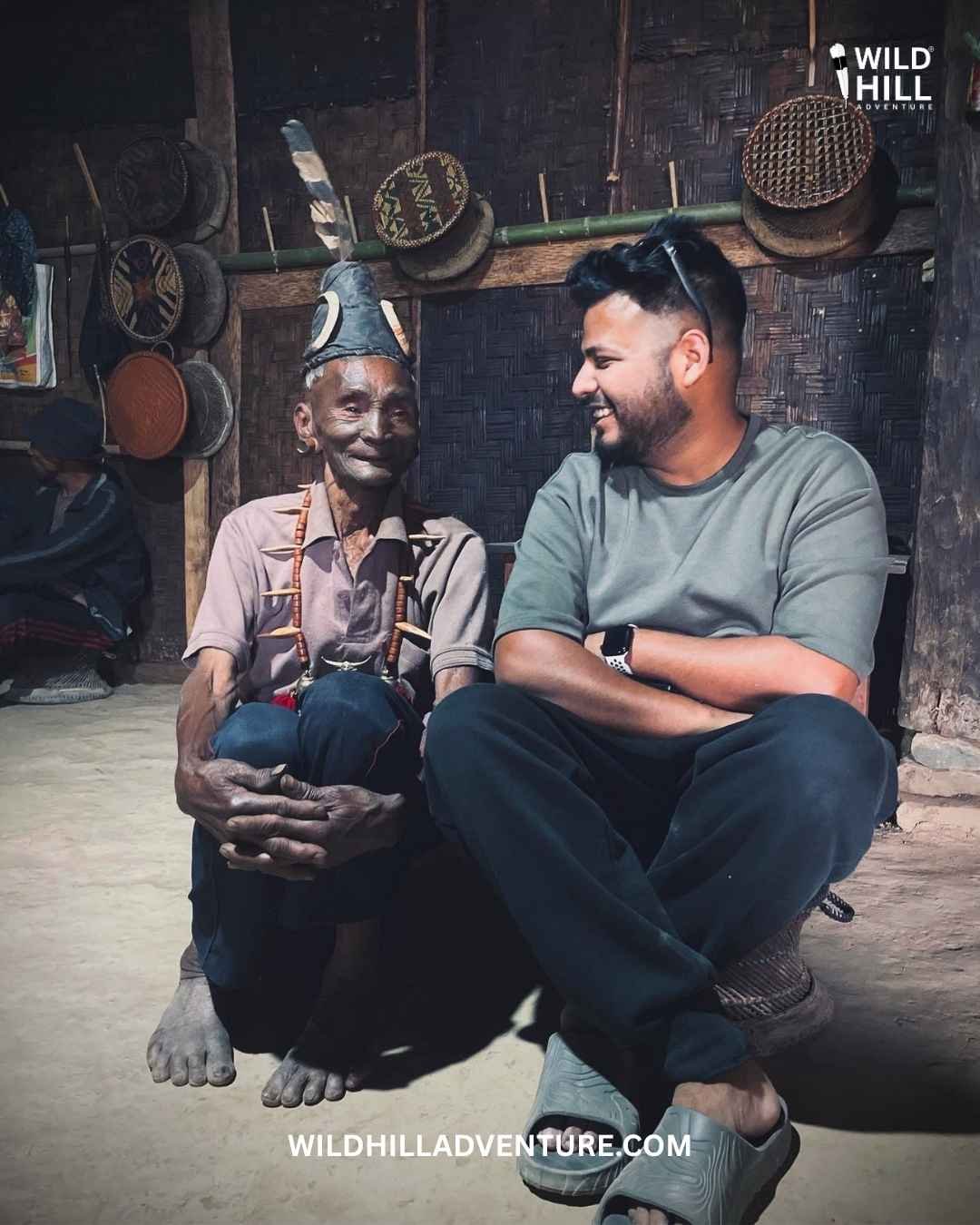
Seeing a tattooed elder and hearing his story are completely different experiences.
A local guide can help translate conversations about village life, warfare, tattoos, hunting, agriculture, family and how the region changed over their lifetime.
The stories also help travellers understand that Konyak history shouldn’t be reduced to the word “headhunter.”
There is a much bigger culture here.
Spend enough time and you’ll begin learning about village organisation, craftsmanship, agriculture, family structures, traditional beliefs and the transition to modern life.
That’s what makes Longwa fascinating.
Visit the Angh’s House: Meet Longwa’s Traditional King
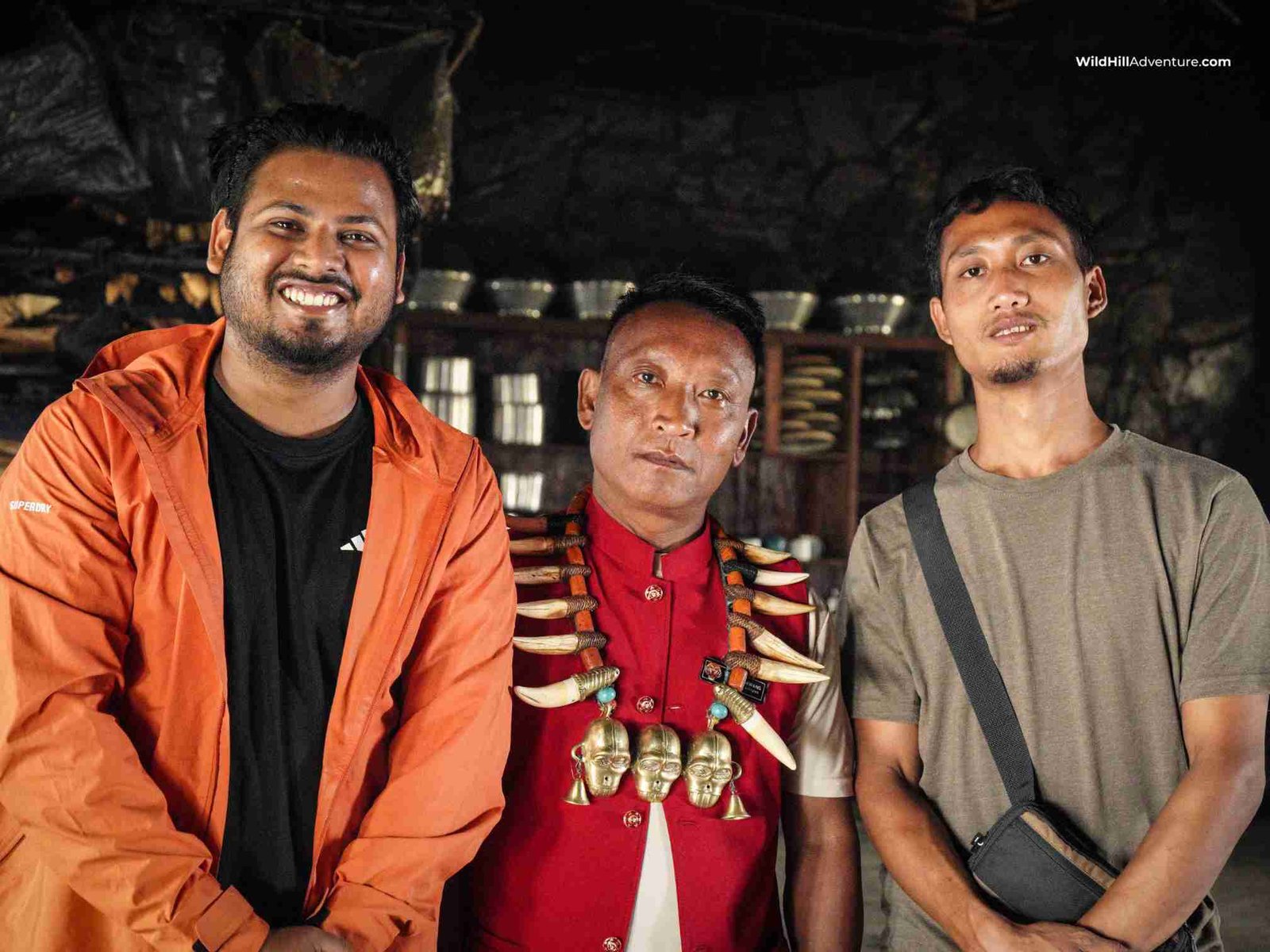
One of the most famous stops in Longwa is the residence of the Angh, commonly described to travellers as the king or chief of the village.
The hereditary Angh institution is an important part of traditional Konyak society.
The large traditional residence itself is fascinating, with timber construction, a huge interior and cultural objects that give you a glimpse into another era of village life.
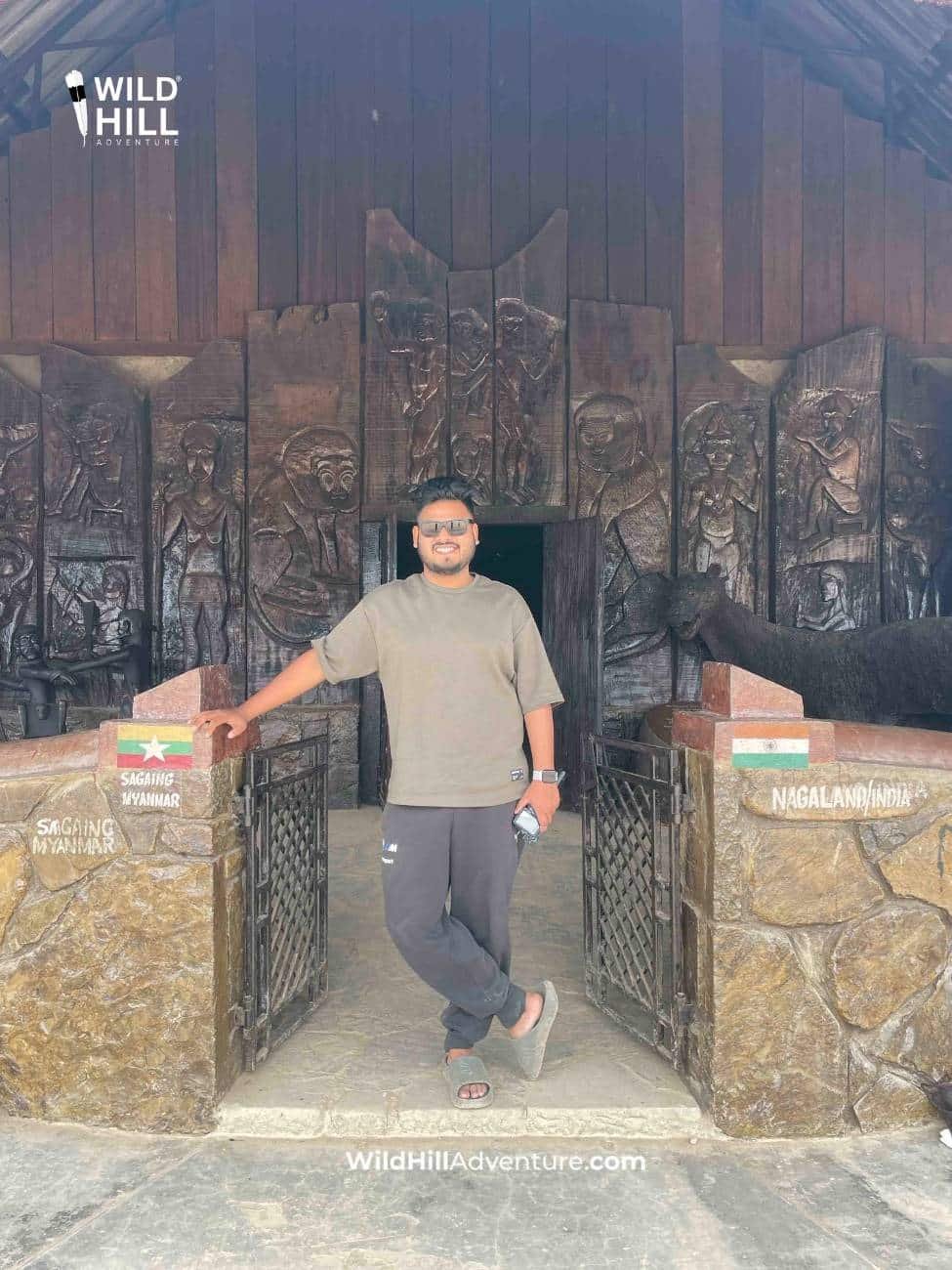
You’ll frequently hear the popular story that the India-Myanmar border passes through the Angh’s house, leading to the famous description:
“The king sleeps in India and eats in Myanmar.”
It’s a great story, but visitors should understand the border situation through a local guide rather than relying entirely on viral social-media claims.
What matters more is understanding the Angh system and its role within Konyak society.
Meeting the Angh and His Family
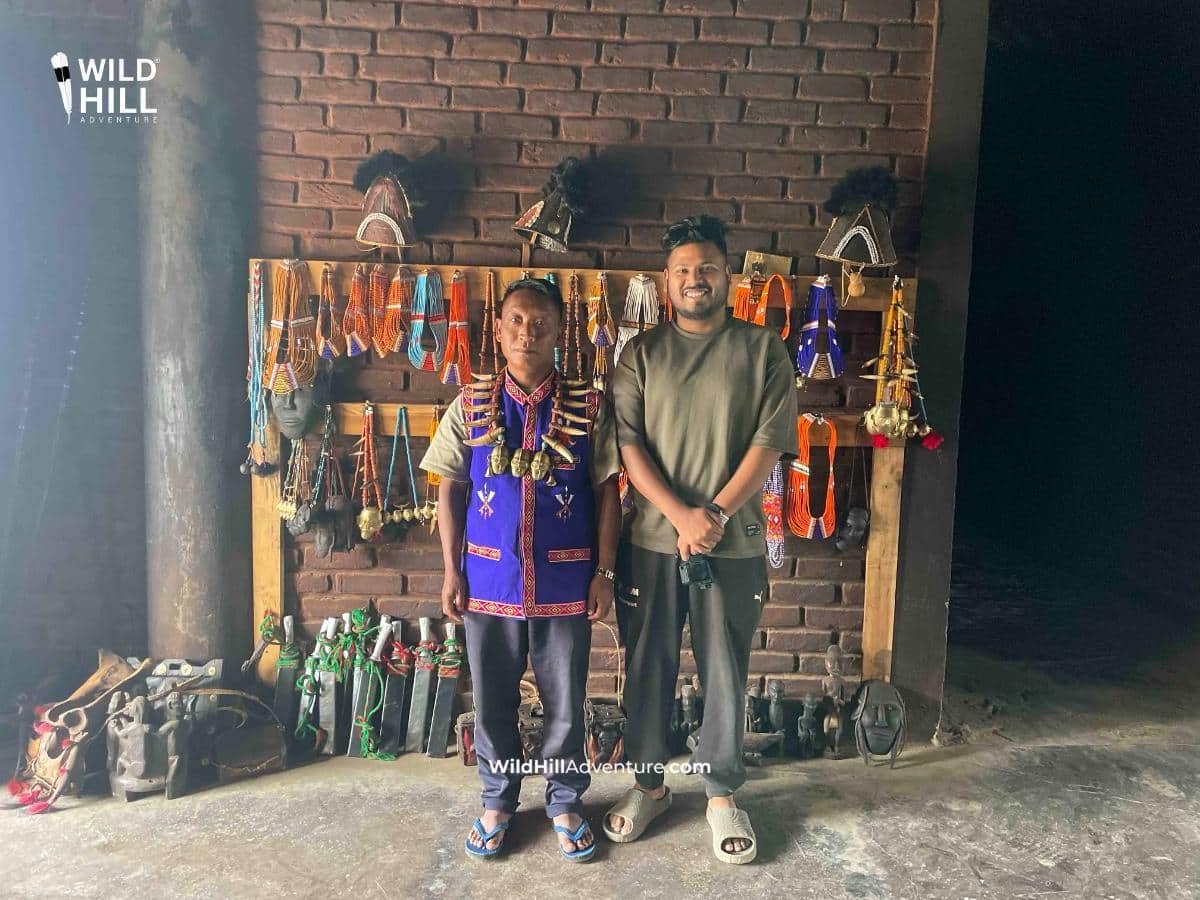
Depending on availability and local circumstances, visitors may have an opportunity to meet members of the Angh’s family.
Travellers sometimes refer to the Angh and his wife simply as the King and Queen of Longwa.
But don’t expect a staged royal-tourism experience.
Longwa is a living village.
People have their own schedules, family responsibilities and community obligations.
Meetings cannot always be guaranteed.
When available, however, sitting inside the traditional home and learning about the family and village is one of Longwa’s most interesting cultural experiences.
India-Myanmar Border Pillars
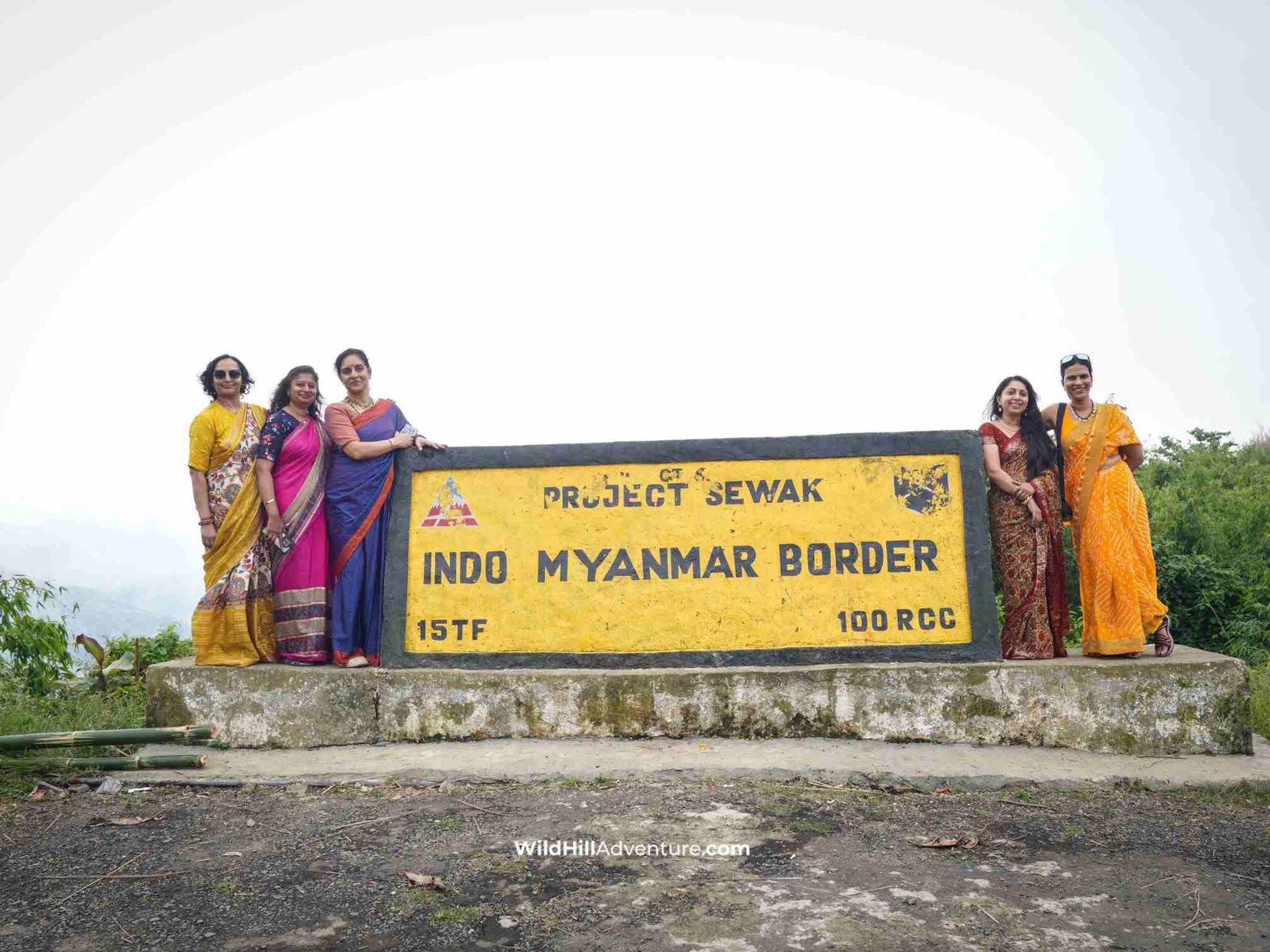
Another reason Longwa attracts travellers is its position along the India-Myanmar frontier.
You can visit border markers around the area with an appropriate local guide, subject to the rules and security situation applicable during your visit.
The landscape itself makes the experience special.
Green mountains roll across the horizon without any obvious natural line separating one country from another.
It makes you realise how artificial a political boundary can look when viewed against mountains that have connected communities for generations.
Important
Do not assume that being able to see or approach the border means you are legally free to cross into Myanmar.
International-border regulations, security conditions and local restrictions can change. Always follow the current instructions from Indian authorities and your local guide.
Point Zero and Border Viewpoints
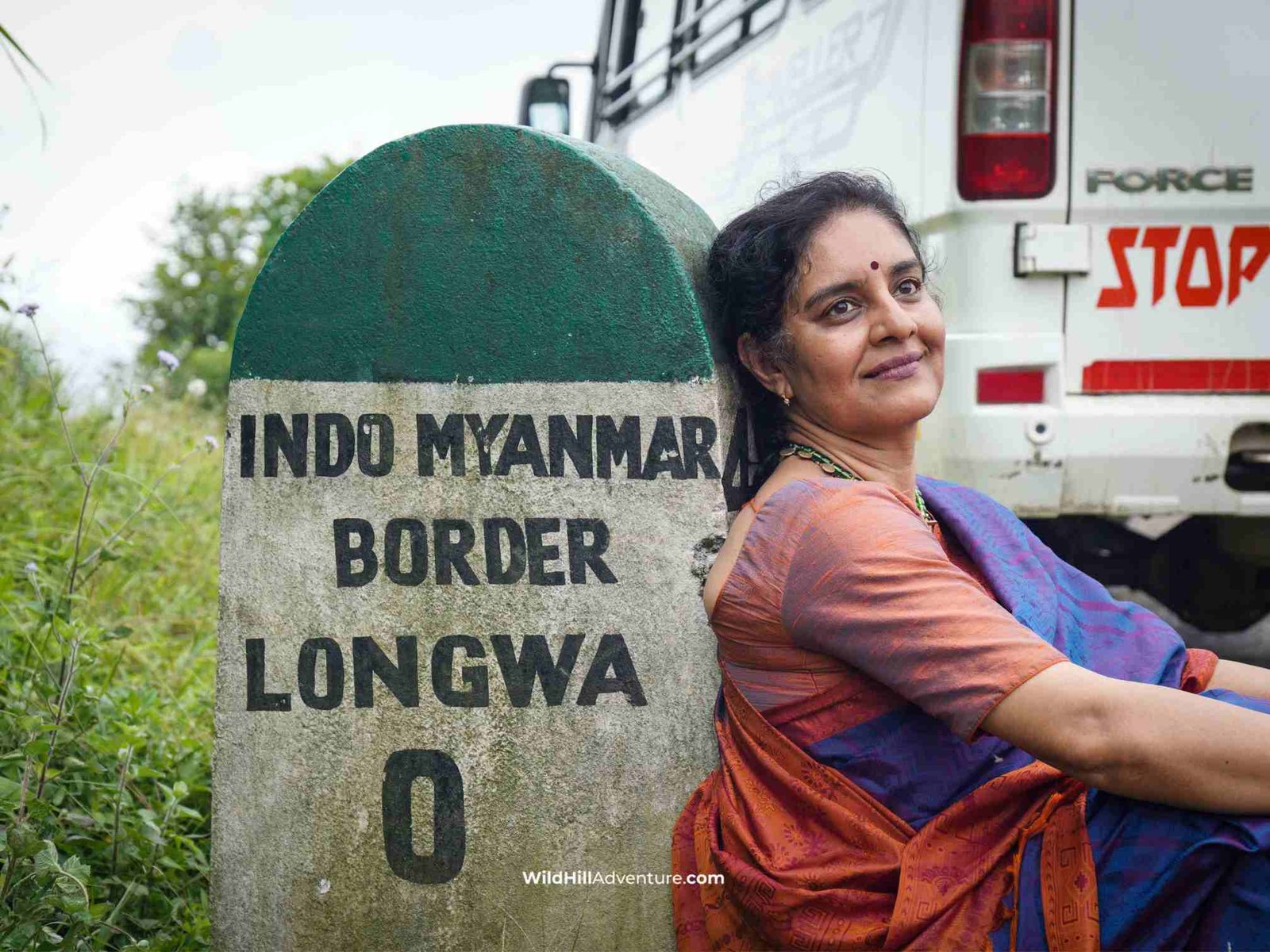
Depending on current access, local guides may take travellers towards viewpoints around the border landscape, sometimes referred to locally or by travellers as Zero Point.
The attraction here isn’t a monument.
It is the feeling of standing high above an enormous landscape where the hills continue towards Myanmar.
On a clear evening, this can also be a beautiful sunset experience.
Access should always be checked locally because border-area restrictions can change.
Visit Konyak Villages Near Longwa
If you have additional time, don’t restrict your journey to Longwa alone.
Mon district contains numerous Konyak villages, each with its own character.
This is particularly worthwhile for travellers interested in photography, anthropology and tribal culture.
We sometimes take guests deeper into the region depending on:
- road conditions
- available time
- permissions
- local guide availability
- weather
- current border situation
The farther you travel from the standard tourist circuit, the more important local coordination becomes.
Can You Visit Konyak Villages on the Myanmar Side?
This needs to be handled very carefully.
Konyak communities live on both sides of the India-Myanmar border, and historically these cultural connections existed long before today’s international boundary.
You may hear stories about villages and relatives across Myanmar, including elders from the former warrior generation.
But tourists should never casually cross the international border to visit them.
Access depends on current immigration regulations, border controls, security restrictions, nationality and government permissions.
If such an experience is legally accessible at the time of your trip, it must be arranged according to the applicable regulations.
Otherwise, we remain on the Indian side.
Traditional Konyak Jewellery and Beadwork
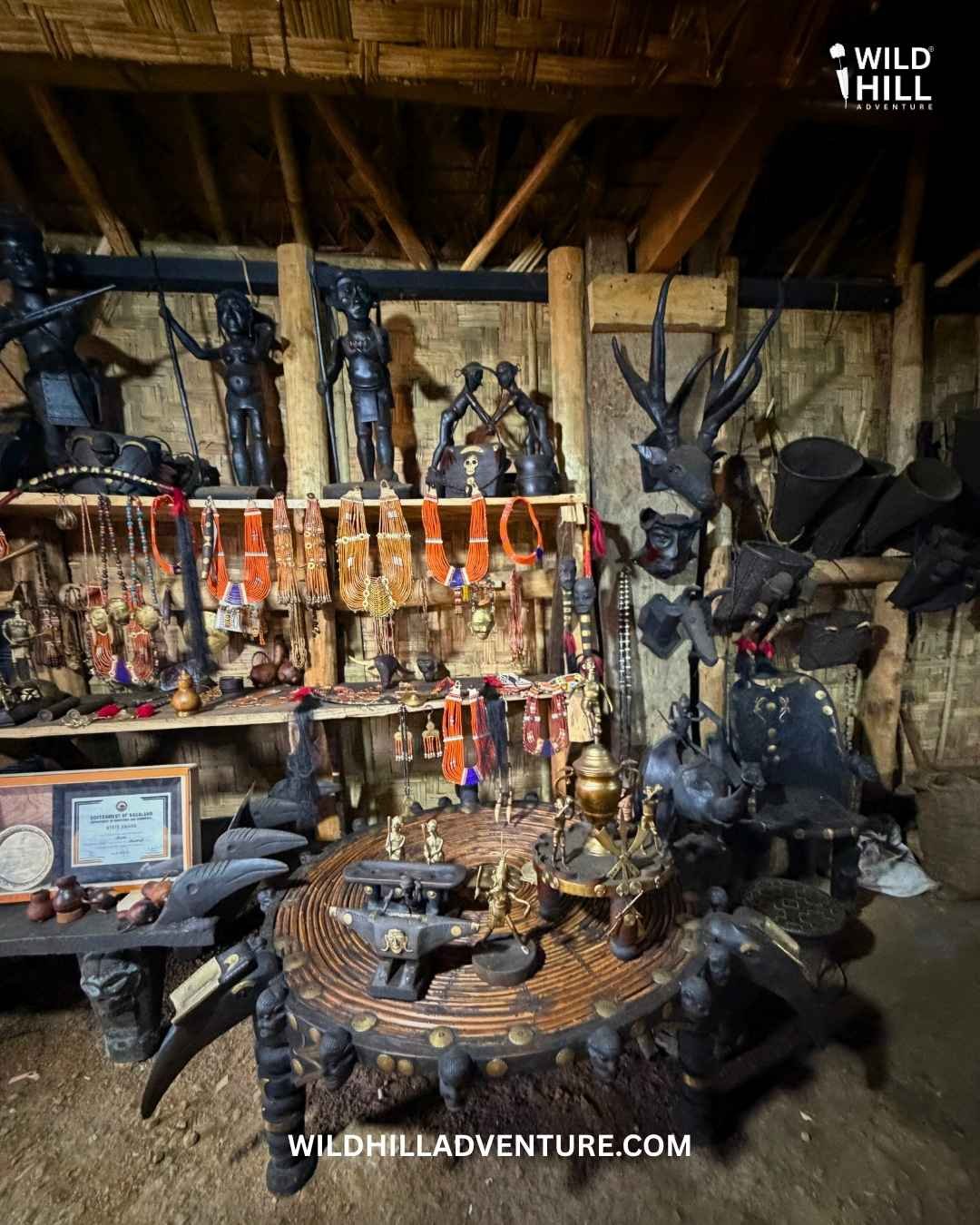
Longwa is a wonderful place to learn about Konyak jewellery.
Traditional necklaces can feature layers of colourful beads, brass elements and other decorative materials.
Historically, ornaments could communicate much more than fashion. They were connected with identity, community, status and tradition.
Today you’ll also find locally made jewellery and handicrafts that travellers can purchase.
Buying directly from artisans and families is one of the best souvenirs you can take home because your money stays within the local community.
Ask your guide to help you distinguish locally produced pieces from mass-produced souvenirs.
Konyak Handloom and Traditional Clothing
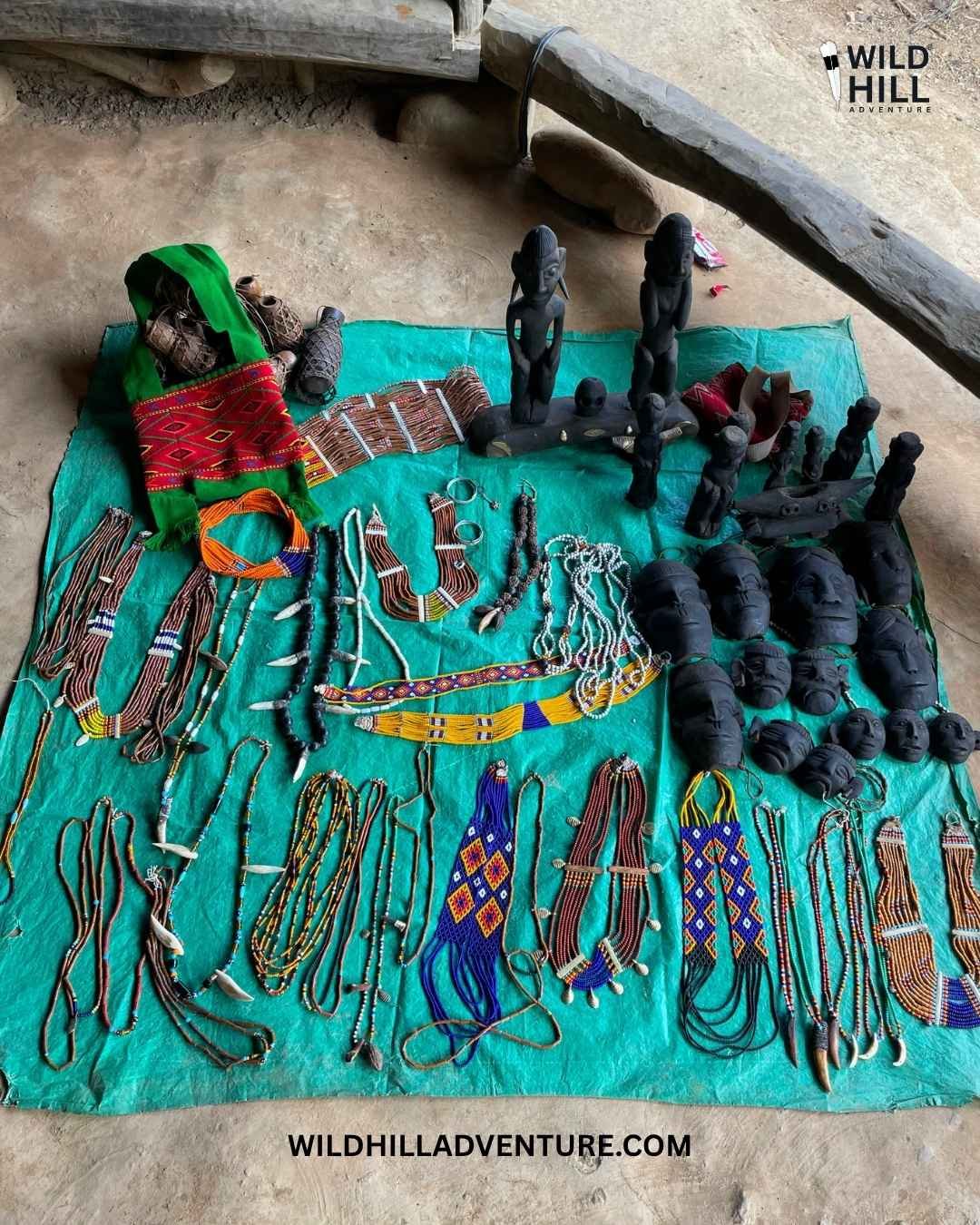
Pay attention to textiles when travelling through Mon district.
Traditional Konyak shawls, wraps, bags and other handwoven pieces often feature bold patterns and distinctive colours.
If you get the opportunity to meet local weavers, spend some time understanding how the textile is made rather than simply buying it.
A handwoven product becomes much more meaningful once you know who made it.
Visit Traditional Gun Makers
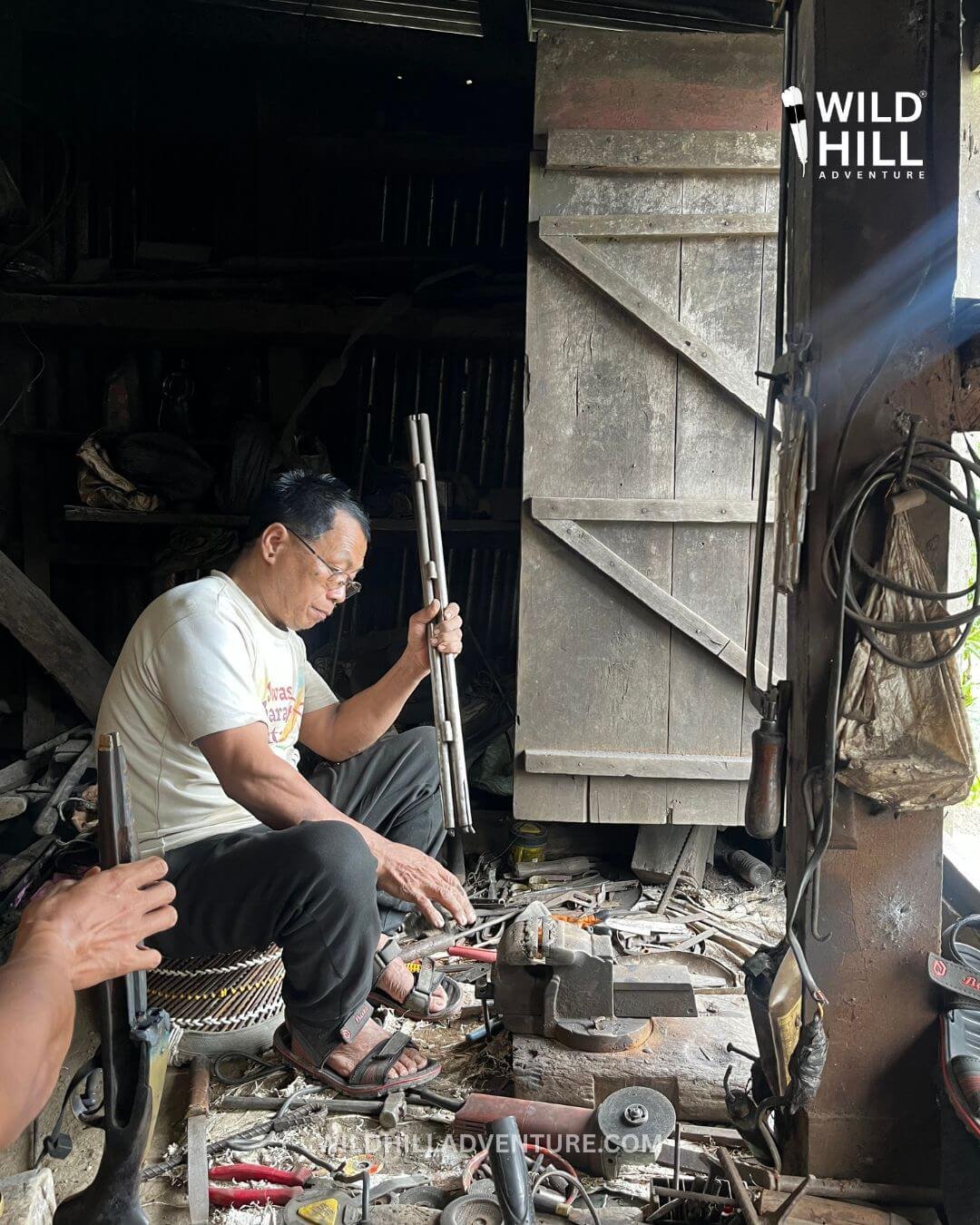
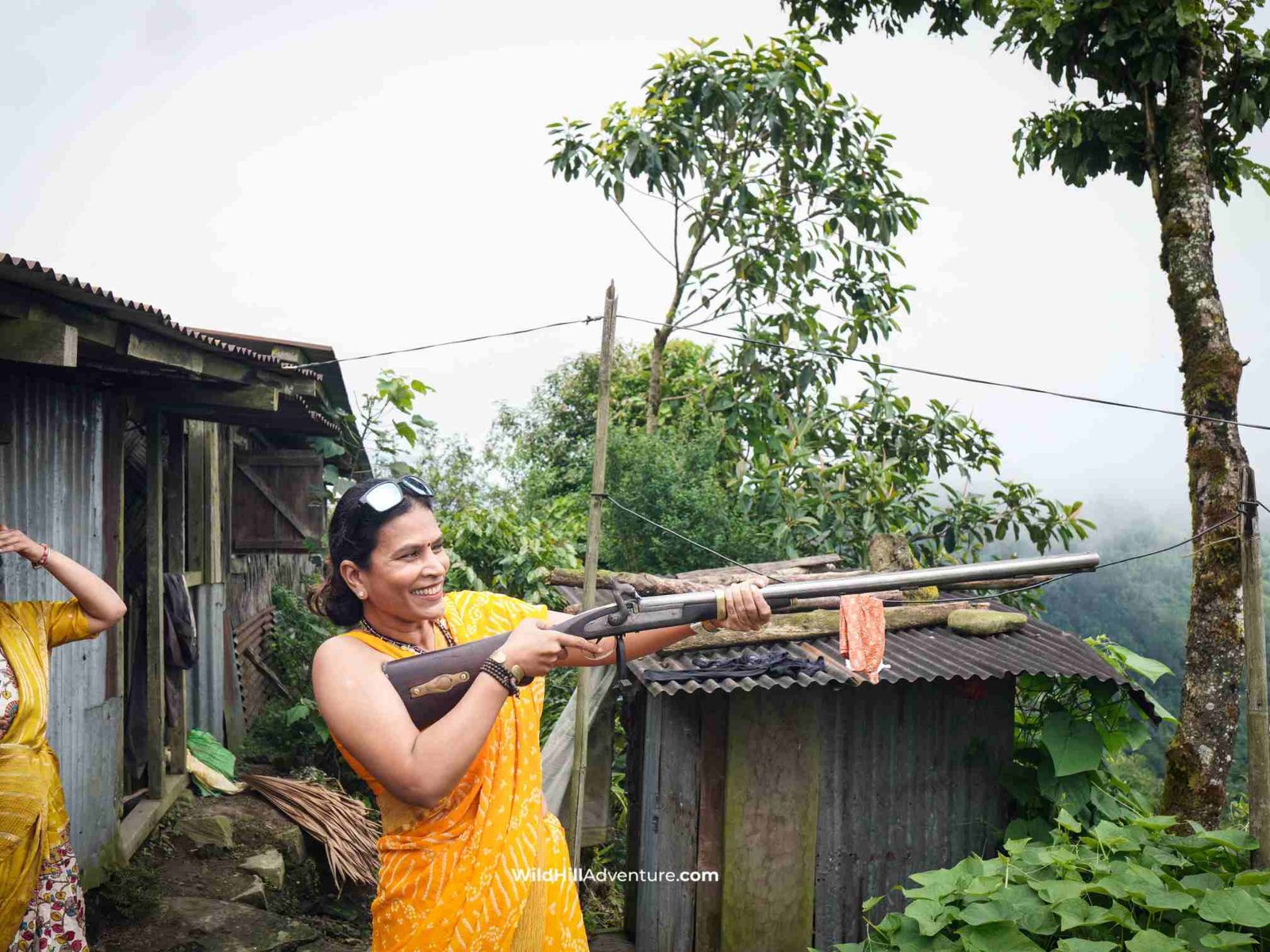
One of the more unusual aspects of Konyak craftsmanship is the region’s history of locally made firearms.
Some craftsmen have traditionally produced guns using skills passed through generations.
For travellers, this should be approached as a cultural and craftsmanship experience, not as an opportunity to purchase or transport weapons.
Local laws and regulations concerning firearms must always be respected.
With appropriate local arrangements, you may be able to observe artisans and learn about the history of this craft.
Meet Brass and Metal Craftsmen
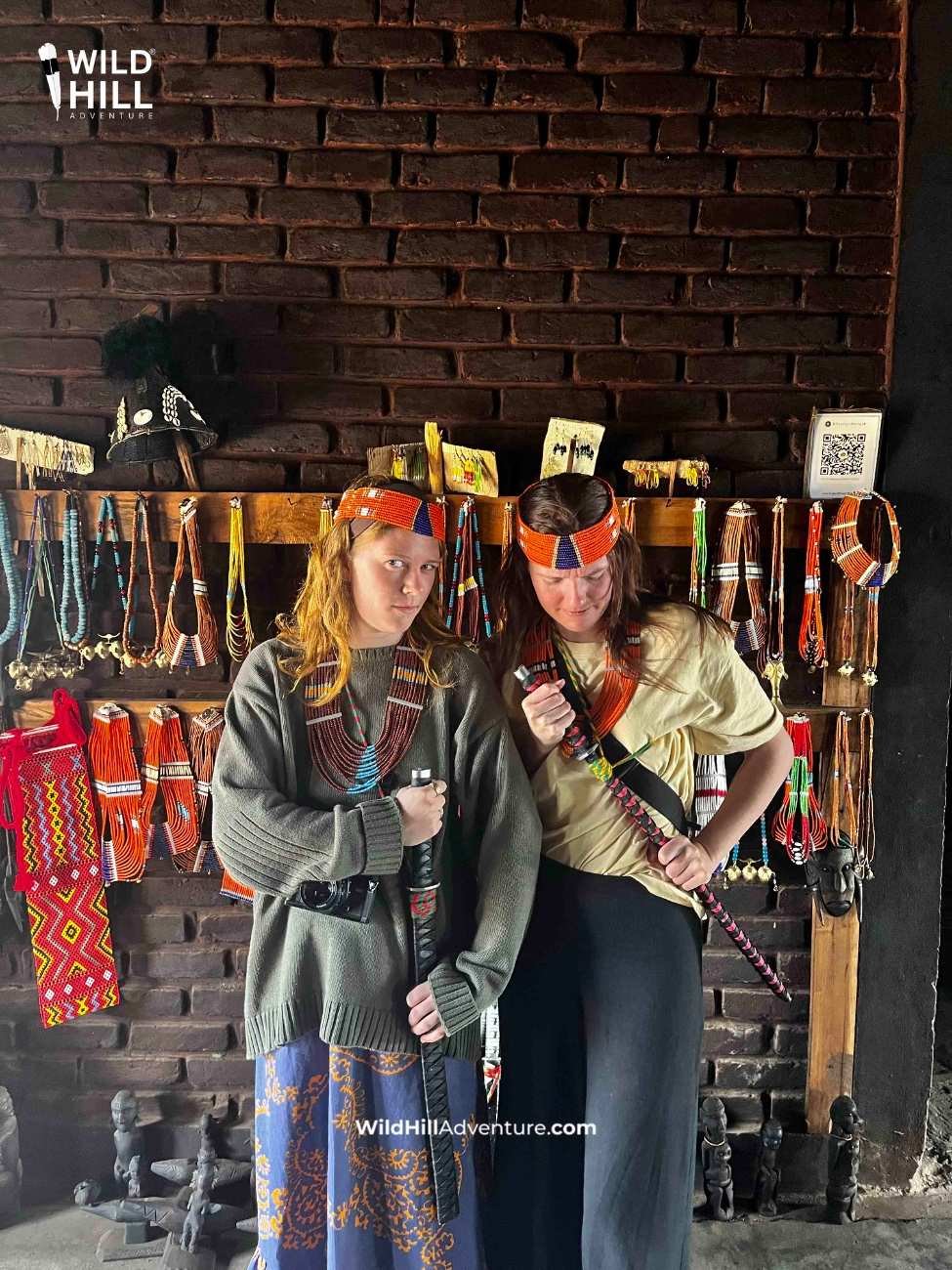
Metalworking is another interesting part of Konyak craftsmanship.
Depending on who is working during your visit, a local guide may be able to introduce you to artisans producing traditional ornaments and decorative objects.
Watching an artisan work gives you a completely different appreciation of the jewellery and objects you later see around the village.
This is why we prefer slow Longwa itineraries.
You need time for these interactions.
Visit a Traditional Morung
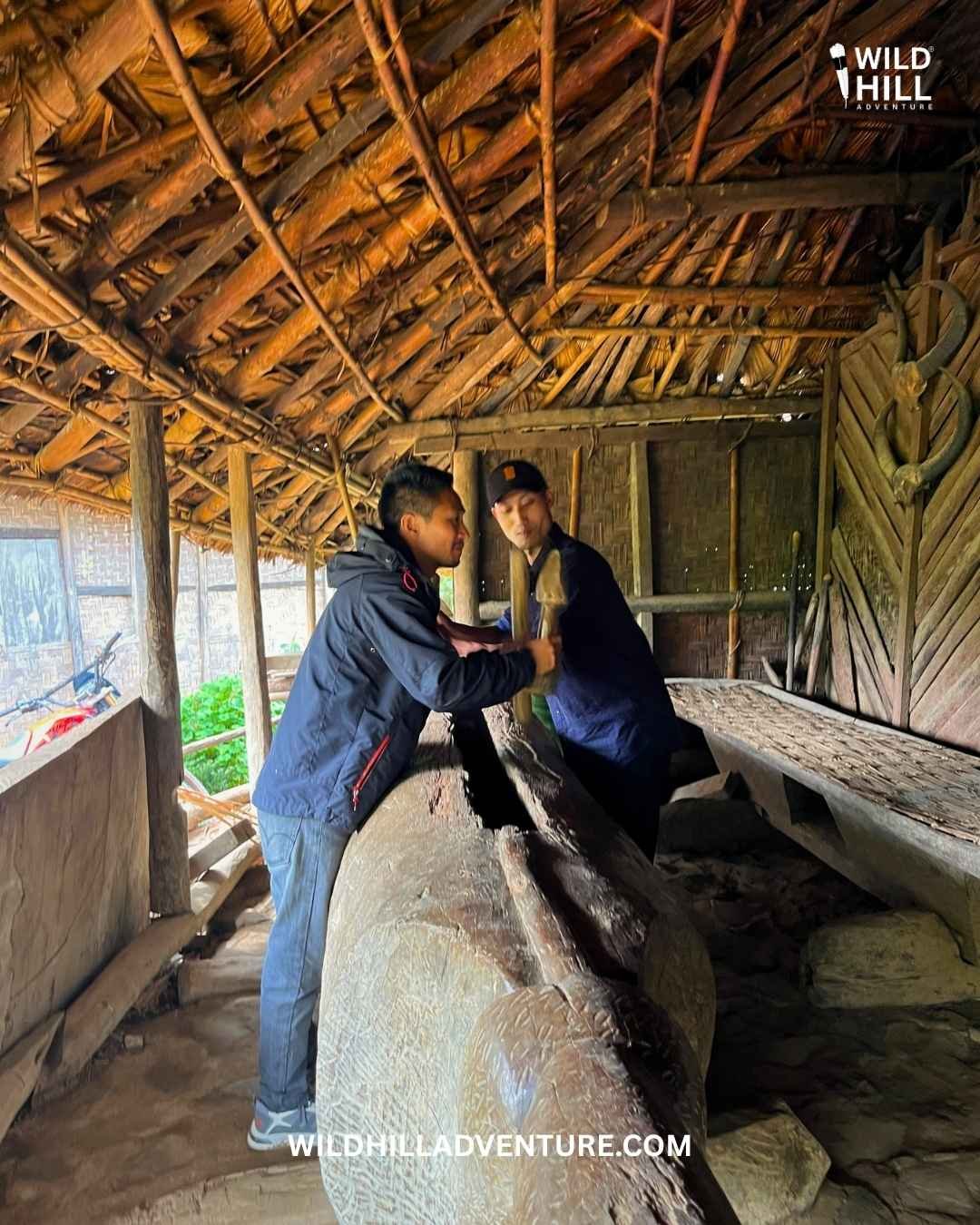
A morung is one of the most important things to understand when exploring traditional Naga society.
Historically, morungs functioned as community institutions and youth dormitories where knowledge, customs, stories, skills and social values could be passed from one generation to another.
They were much more than buildings.
A good local guide can explain how they functioned and what role they played within Konyak society.
See the Giant Log Drum
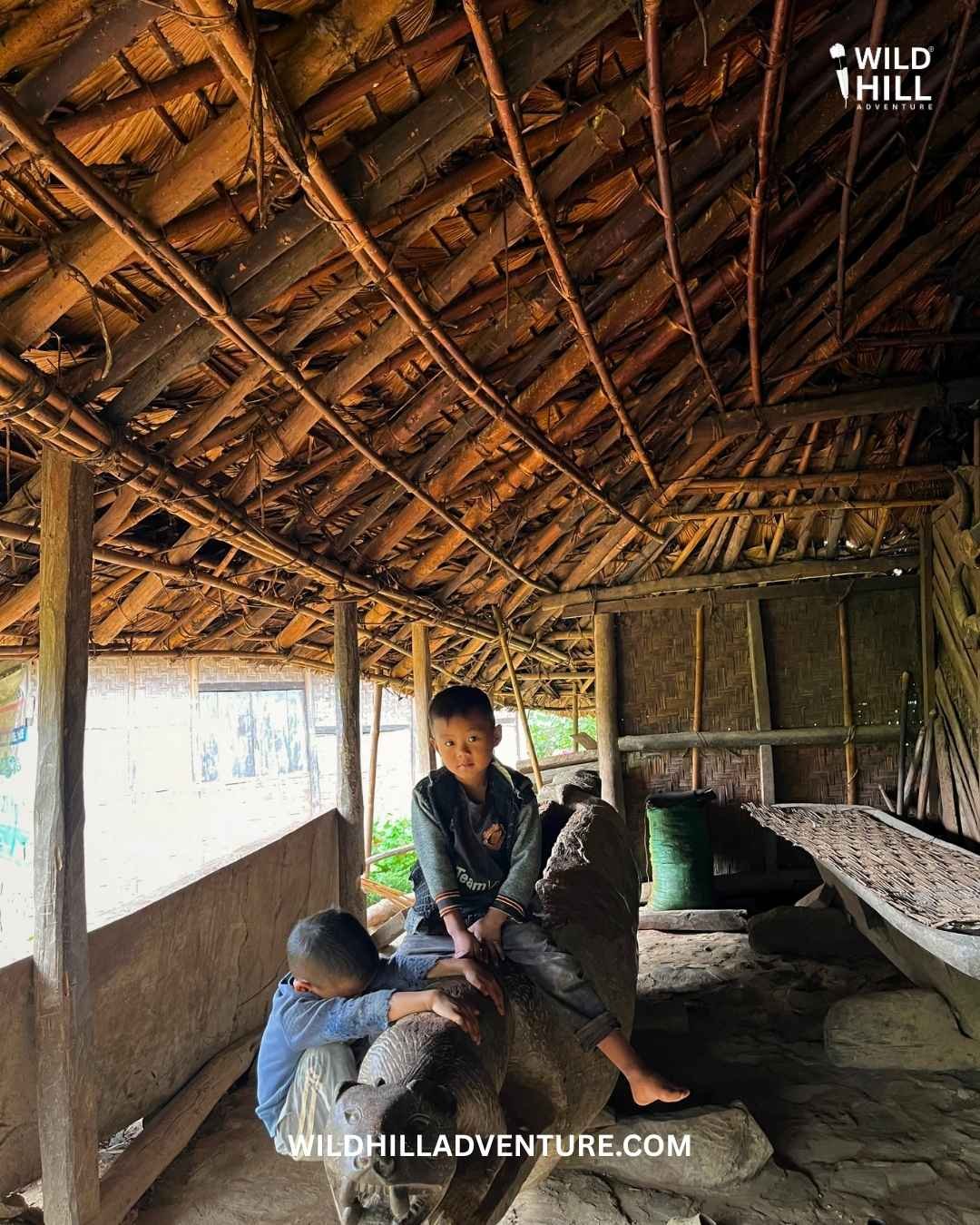
One of our favourite things to show guests is the traditional log drum.
These enormous wooden drums were carved from large tree trunks and historically served important ceremonial and communication functions.
Standing beside one immediately makes you appreciate the amount of community labour required to create it.
Ask your guide about how log drums were used and why they were important.
Don’t simply take a photograph and leave.
Walk Through Longwa Village
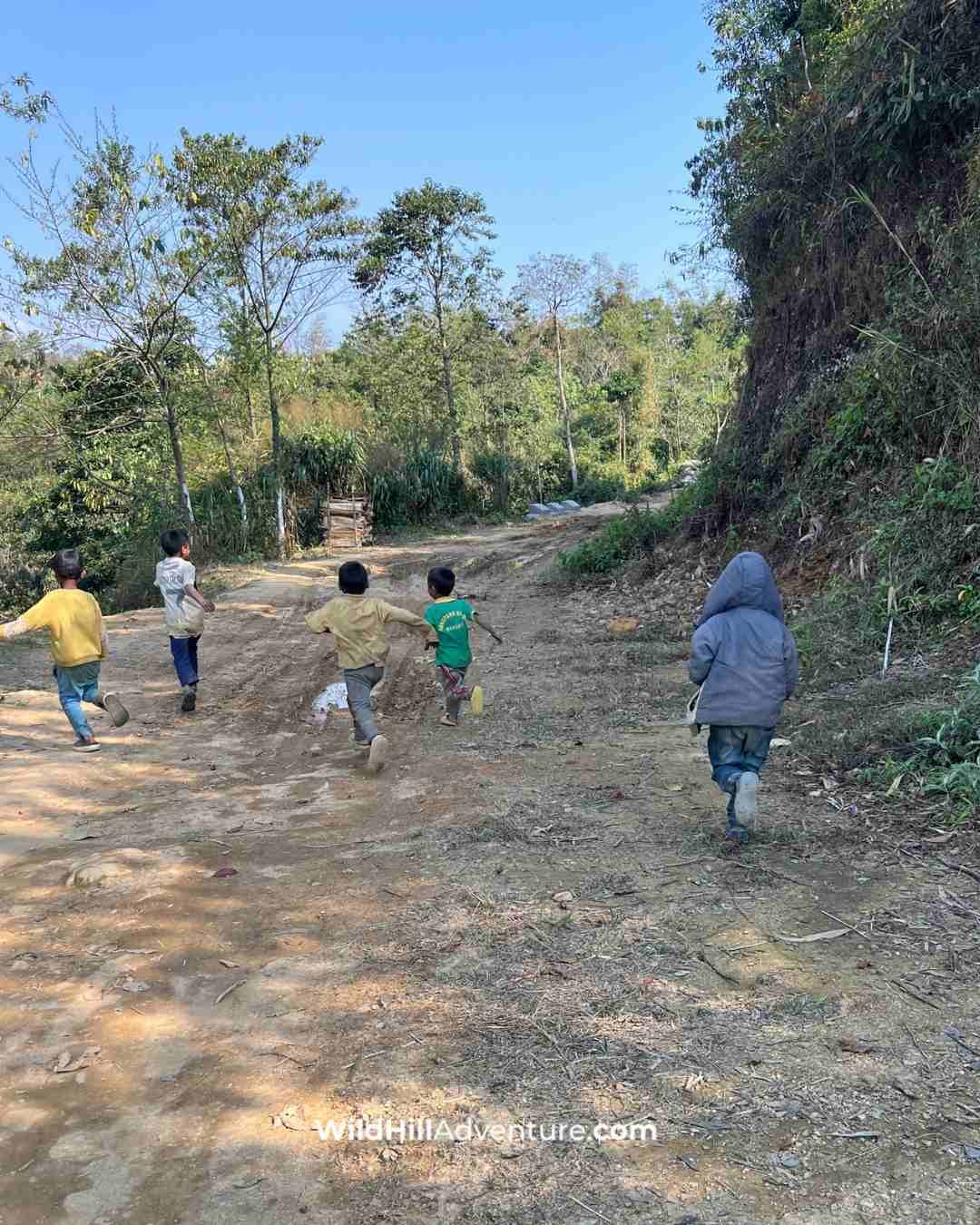
One of the best activities in Longwa costs almost nothing.
Walk.
Walk slowly through the settlement with a local guide.
You’ll see traditional houses alongside modern ones, children playing, small gardens, firewood stacked outside homes, domestic animals, farmers returning from their fields and people simply going about their day.
There is no need to turn every moment into a tourist activity.
Sometimes the best Longwa experience is simply observing village life respectfully.
Visit the Local Football Ground
Football is hugely popular across Nagaland, and Longwa is no exception.
If a game is happening, stop and watch.
If you’re invited to join, even better.
These small spontaneous experiences often become more memorable than scheduled sightseeing.
We’ve seen the same thing repeatedly while travelling with guests around Northeast India: once people stop trying to “cover attractions”, they start experiencing the place.
Stay With a Local Konyak Family
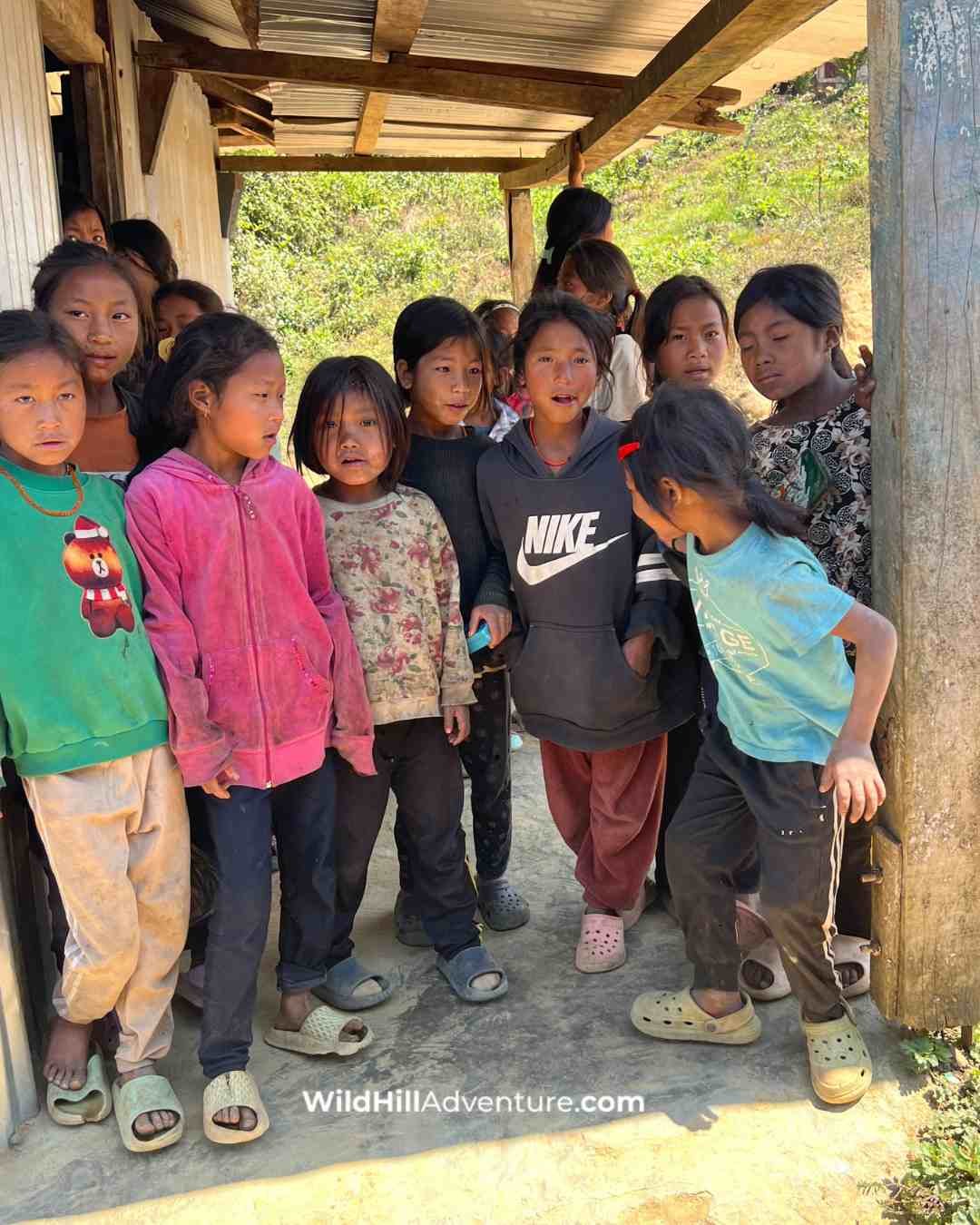
If you’re coming all the way to Longwa, we strongly recommend staying locally.
Don’t expect luxury.
The charm is completely different.
A homestay gives you an opportunity to experience daily life much more closely than a hotel could.
You’ll wake up to a quiet village morning, eat home-cooked food and have more opportunities to interact with local families.
For many of our foreign guests, this becomes one of their favourite parts of Nagaland.
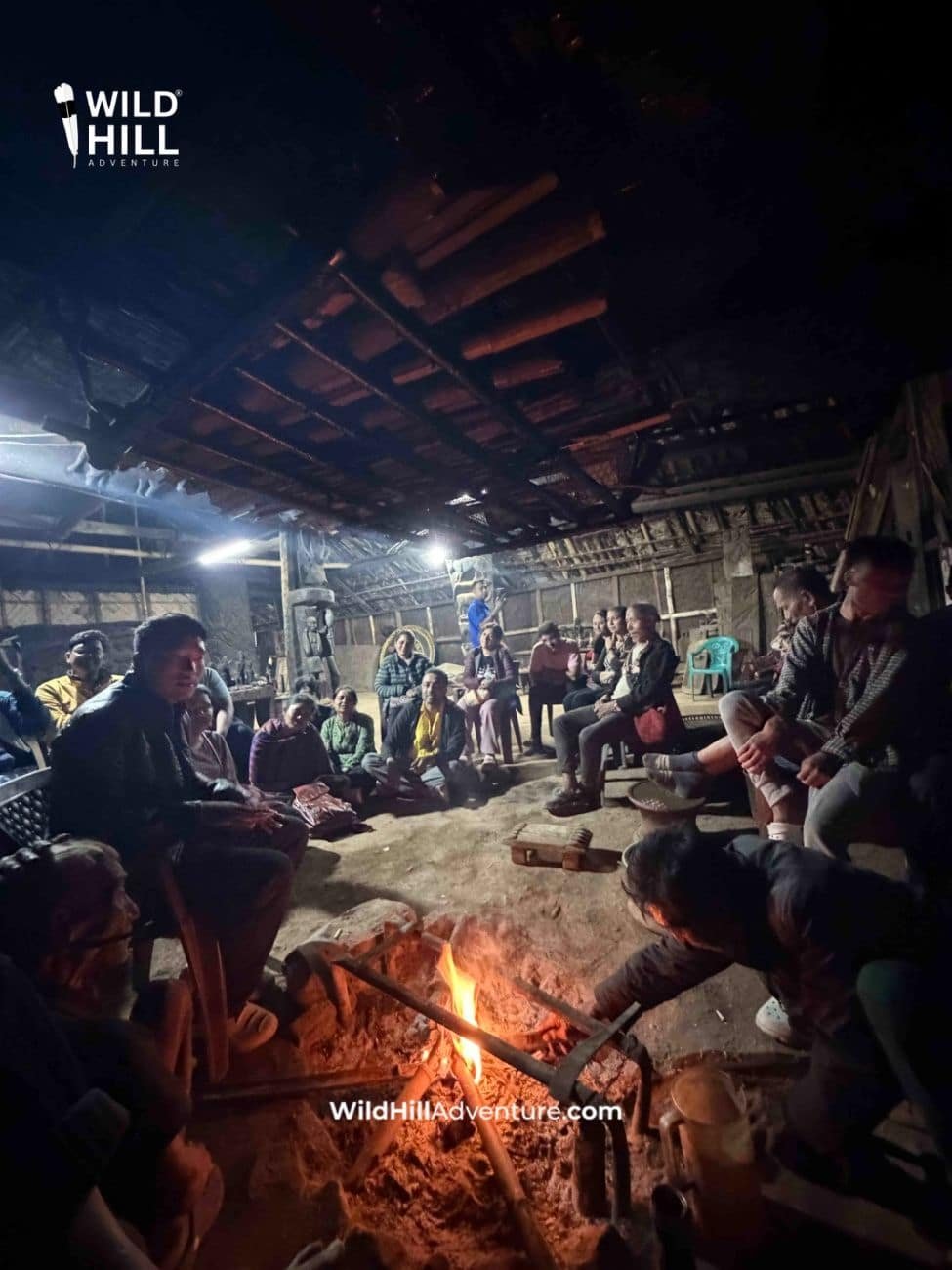
Sit Inside a Traditional Local Kitchen
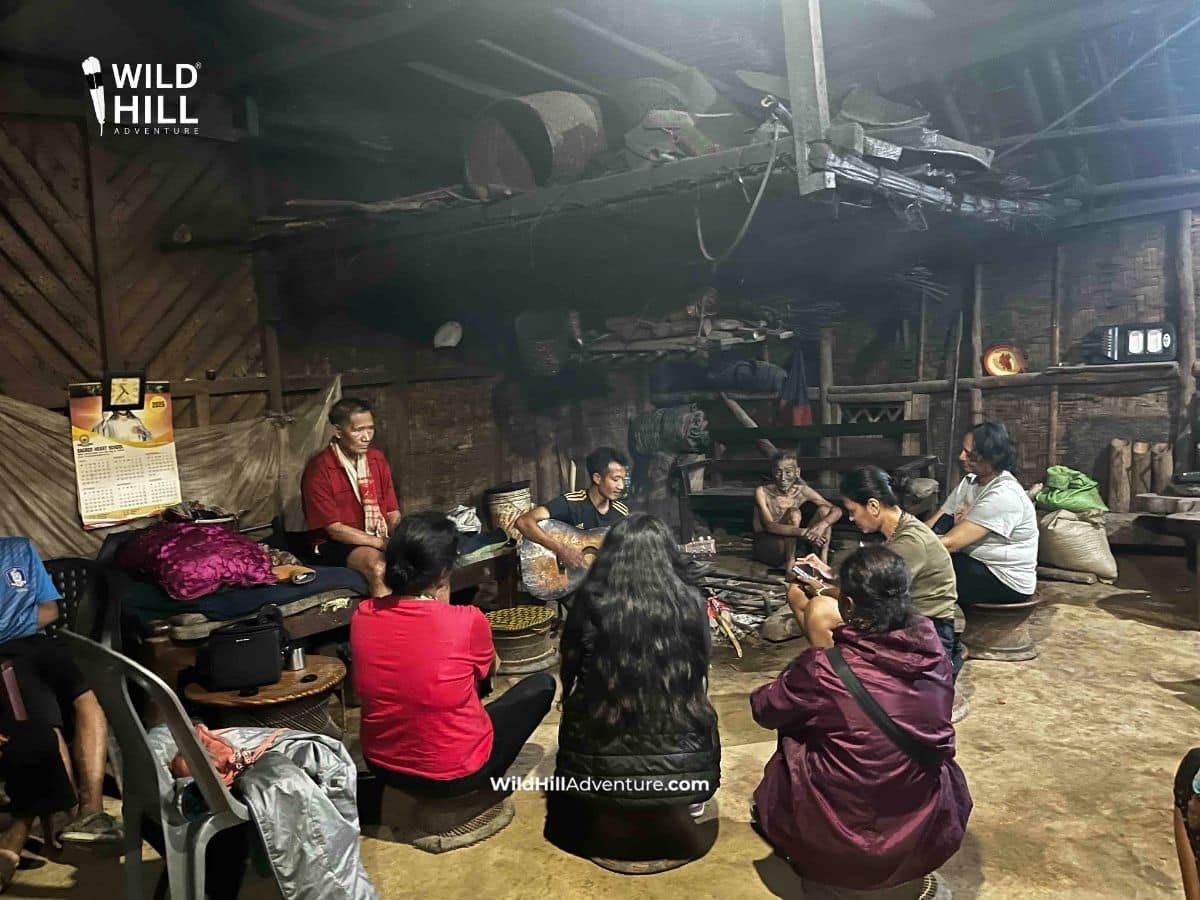
This sounds simple, but it can become one of your strongest memories.
Kitchens are often where conversations happen.
Sit beside the fire.
Watch dinner being prepared.
Drink tea.
Ask about ingredients.
Listen to stories.
Laugh.
On cold evenings in the hills, sitting around a traditional kitchen fire with a local family feels incredibly comforting.
You begin understanding the place through people rather than monuments.
Try Traditional Konyak Food
If you’re comfortable experimenting with food, ask your host what is available locally.
Meals may include rice, seasonal vegetables, meat preparations, fermented ingredients and produce from nearby farms.
The exact meal depends on the household and season.
If you are vegetarian, Jain, halal-conscious or have allergies, inform your host or tour operator well in advance.
Remote Nagaland is not a place where you should arrive at dinner and suddenly announce complicated dietary requirements.
With advance planning, simple meals can usually be arranged much more smoothly.
Visit a Local Farm
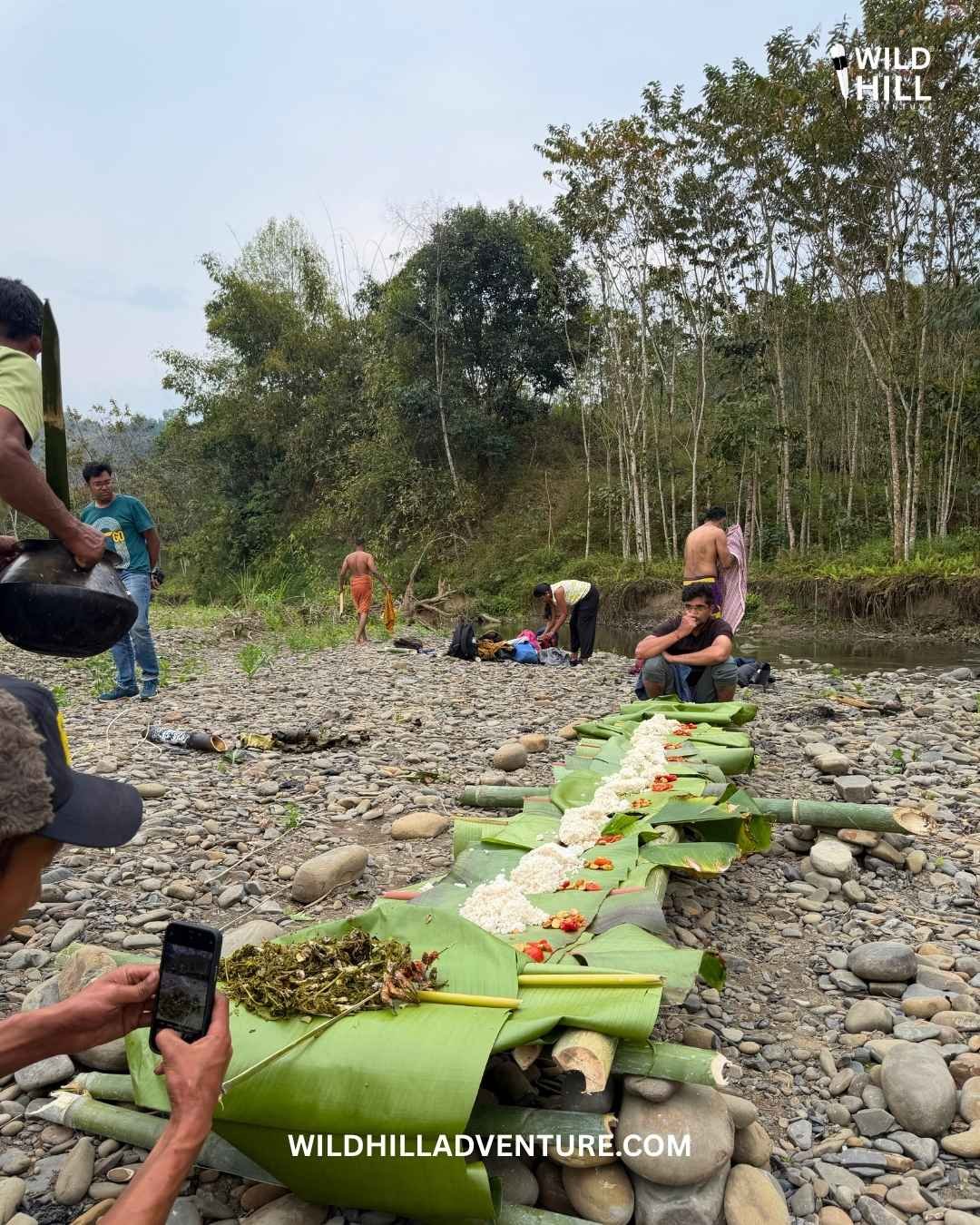
Agriculture remains an important part of rural life.
If you’re interested, we can sometimes arrange a farm visit with local families.
Depending on the season, you might see vegetables, rice, chillies and other crops being cultivated.
The experience isn’t about creating a staged “farming activity.”
It’s about understanding how people actually live.
Help With Farming and Learn From Local Farmers
If a family is comfortable with it and the season allows, you might even spend some time helping.
Plant something.
Carry produce.
Learn how a particular crop is grown.
Ask why farmers choose certain crops.
You’ll probably realise quickly that farming on mountain terrain is far harder than it looks.
For families travelling with children, this can also be a beautiful learning experience.
Fishing With Locals
Depending on the season, water conditions, local practices and permissions, fishing can sometimes be arranged around suitable rivers or streams.
The fun isn’t necessarily catching something.
It is spending a few hours outside with local people.
Walk to the river, carry some food, sit beside the water and allow the day to move slowly.
That’s the kind of Longwa experience we like.
Riverside Picnic
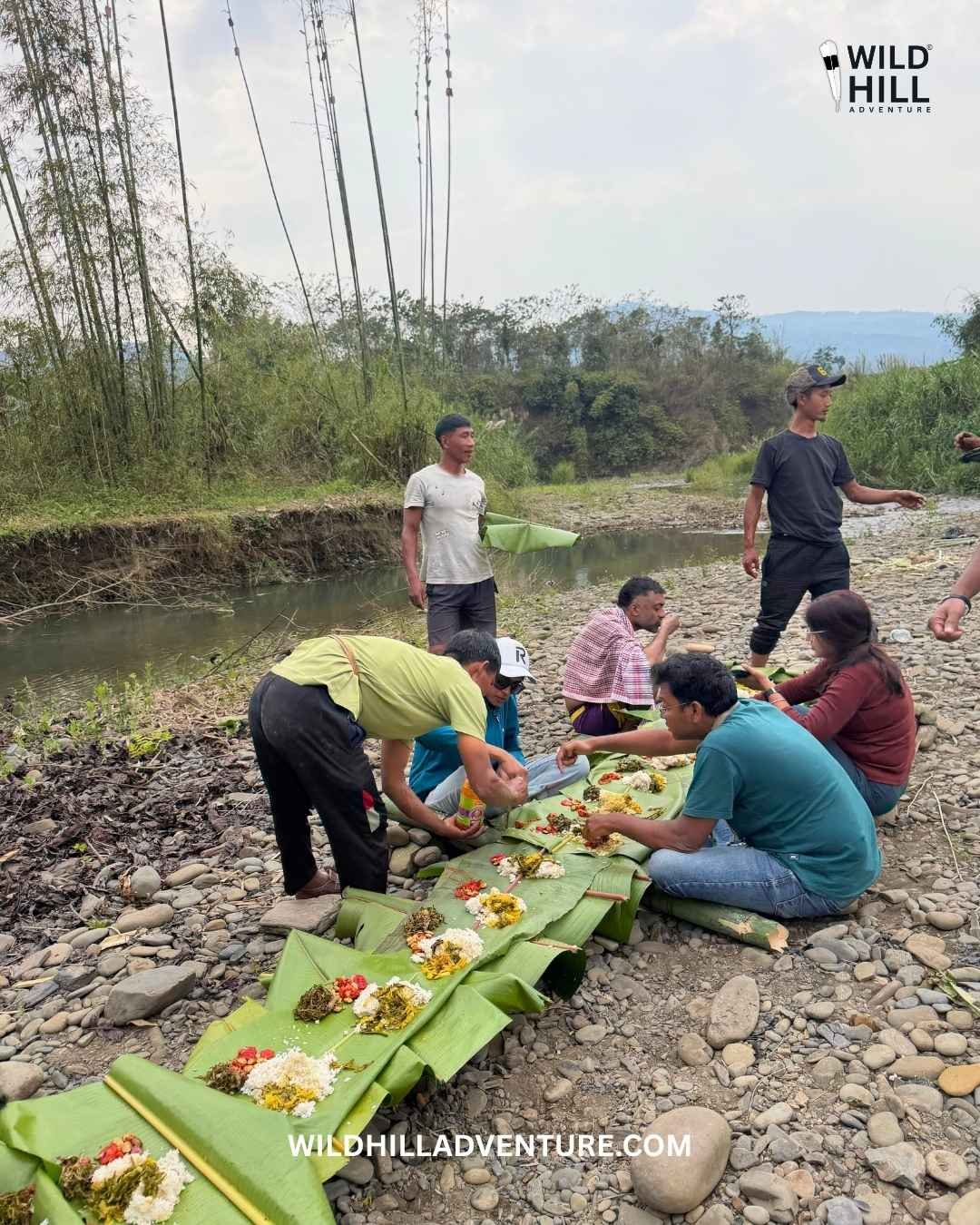
For travellers staying multiple nights, a riverside picnic can be a wonderful break from village sightseeing.
Take simple food, tea and snacks.
Find a suitable location with your local guide.
Sit beside the river.
Talk.
Do absolutely nothing for a while.
When you’re travelling through remote Northeast India, you don’t need every hour to contain an “attraction.”
Sometimes a quiet afternoon is the experience.
Jungle Picnic and Nature Walk
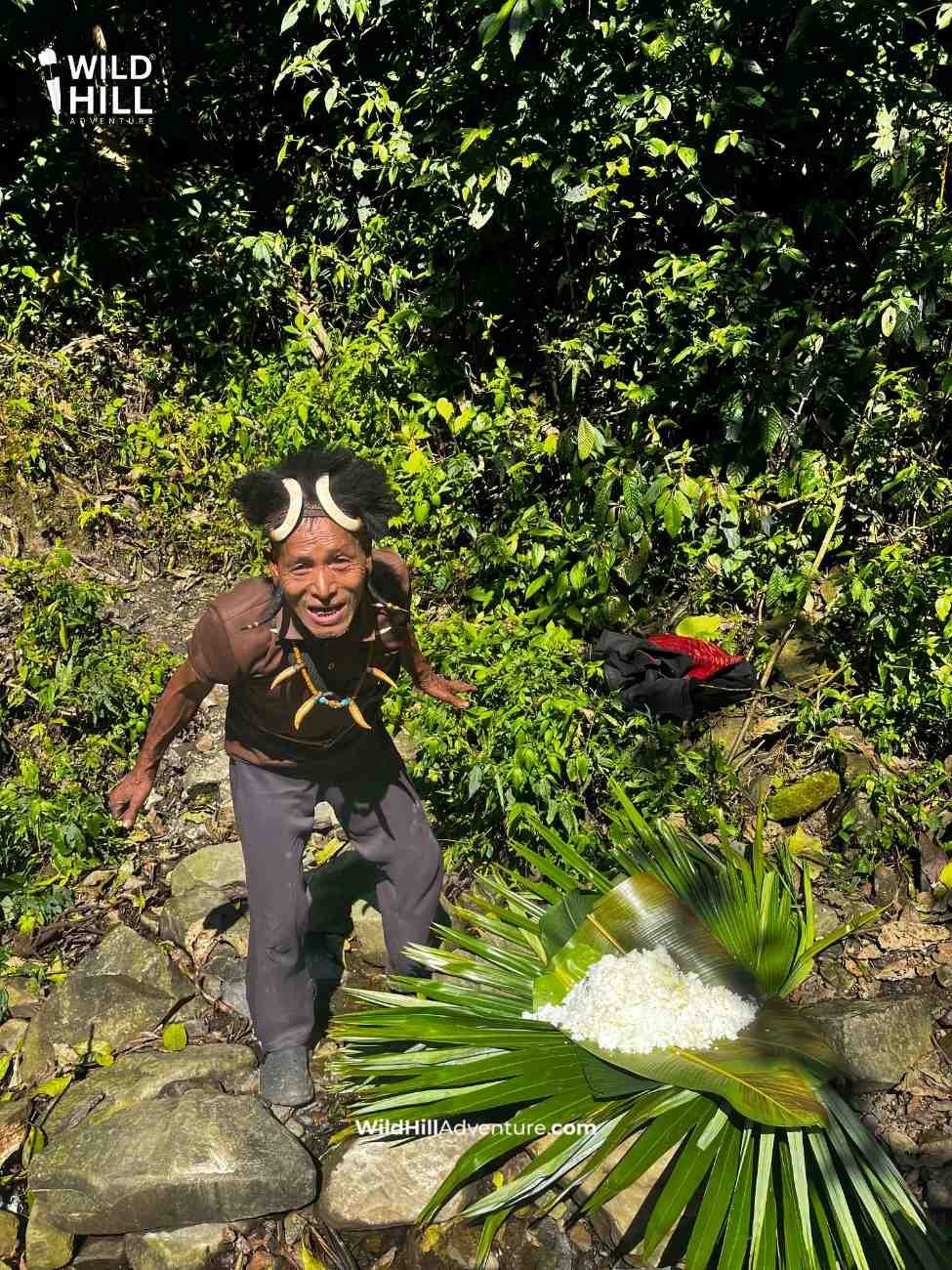
Longwa is surrounded by beautiful hills and forest landscapes.
With a knowledgeable local guide, you can spend part of the day walking outside the main settlement and organise a simple jungle or countryside picnic.
The exact location depends on weather and local conditions.
During monsoon, trails can become muddy and slippery, so don’t underestimate the terrain.
Photography in Longwa
Longwa is incredible for photographers.
You have:
Portraits
Traditional architecture
Village life
Mountain landscapes
Craftsmanship
Agriculture
Border landscapes
Sunrise and sunset
Traditional jewellery and clothing
But please remember something.
People are not props.
Ask before photographing someone, particularly elderly people and close-up portraits.
If someone doesn’t want to be photographed, respect that.
We want tourism to benefit local communities rather than make people uncomfortable inside their own village.
Best Time to Visit Longwa Village
Longwa can offer different experiences throughout the year, but generally the drier months are easier for road travel.
October to April is particularly popular.
December is attractive if you’re combining Longwa with the Hornbill Festival near Kohima.
Monsoon makes Nagaland incredibly green, but road conditions can become challenging.
If you’re travelling during the rains, keep your itinerary flexible.
How to Reach Longwa Village
Most travellers first reach Mon town and then continue towards Longwa.
The journey itself is part of the experience.
Road conditions in this part of Nagaland can vary significantly, so travel times should never be calculated purely from distance.
This is one reason we recommend using a reliable vehicle and local driver familiar with the Mon region.
For a larger Nagaland itinerary, we often connect Longwa with Assam through Jorhat/Sivasagar on one side and Dibrugarh on the other, depending on the route.
This avoids unnecessary backtracking.
Foreign Tourists Visiting Longwa
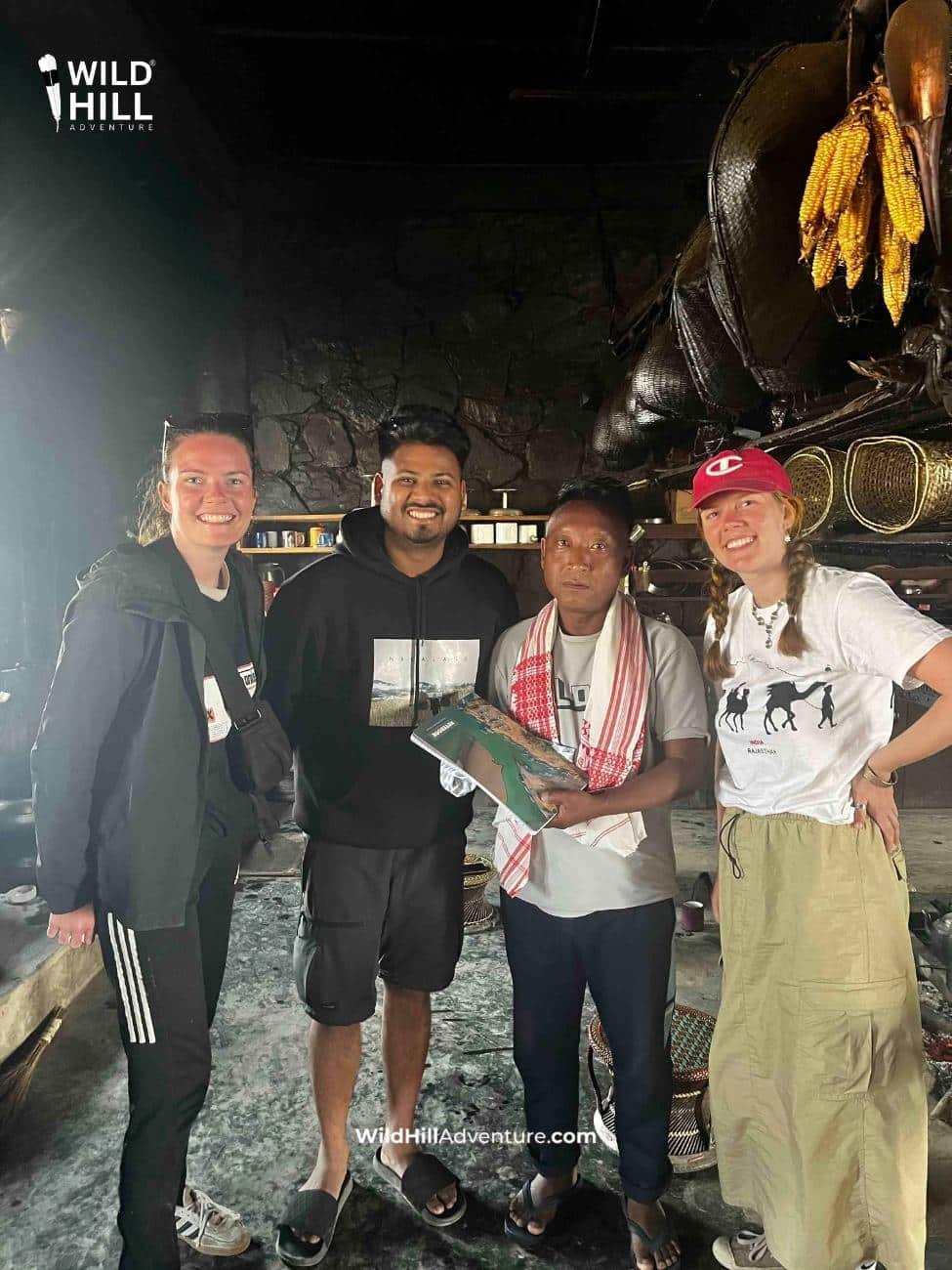
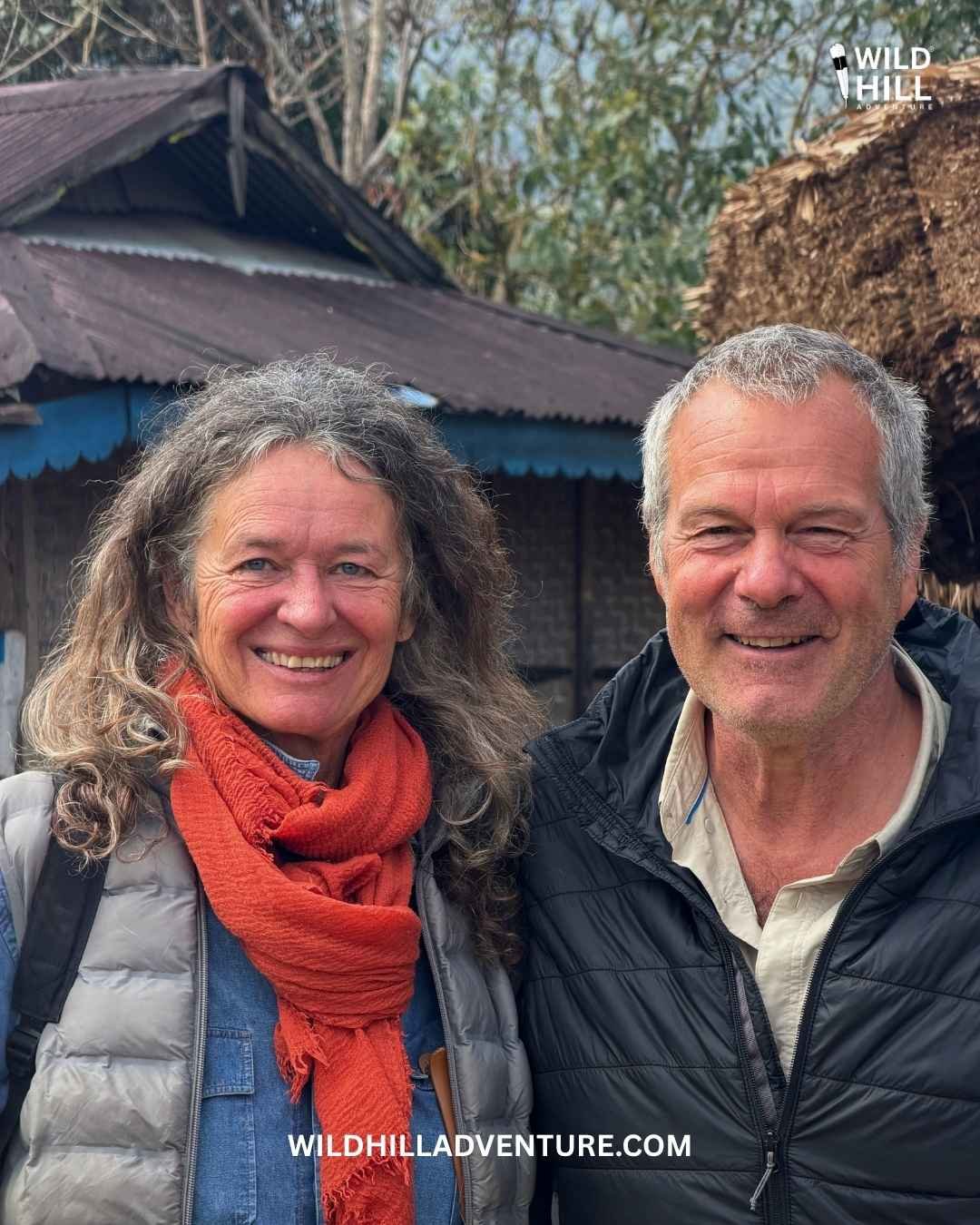
We have hosted many international guests as well as Indian travellers in Nagaland, including the Mon and Longwa region.
Foreign travellers should pay particular attention to current permit, registration and border-area rules.
Longwa’s proximity to Myanmar makes this more important than travelling around central Kohima.
Regulations can change, so we check the applicable requirements according to the guest’s:
nationality, passport/visa status, dates and exact itinerary.
Never assume that permission to visit Nagaland automatically means permission to cross or access every point along the international border.
Why Explore Longwa With Wild Hill Adventure?
Longwa is exactly the type of destination where local ground knowledge matters.
You can find the village on Google Maps.
But Google Maps cannot introduce you to a Konyak artisan.
It cannot translate an elderly man’s story.
It cannot call your homestay host when the network disappears.
And it certainly cannot tell you whether a remote road is usable after three days of rain.
At Wild Hill Adventure, we have spent years operating trips across Nagaland and have hosted many Indian and international guests in the region.
For a Longwa trip, depending on your package, we can arrange:
- Transportation
- Local homestays
- Local Konyak guides
- Permit and registration assistance
- Village experiences
- Angh’s house visit where available
- Meetings with elders where available and appropriate
- Morung and log-drum visits
- Artisan and handicraft experiences
- Farm experiences
- Nearby village excursions
- Meals
- Fishing or picnic experiences where locally possible
- Complete Nagaland itinerary planning
Most importantly, we don’t want guests to simply see Longwa.
We want them to understand a little of the place before they leave.
Responsible Travel in Longwa
Longwa’s increasing popularity brings responsibility.
Come with curiosity rather than expectations.
Don’t enter someone’s house without permission. Don’t photograph people without asking. Don’t pressure elderly former warriors into posing. Don’t touch cultural objects simply for a photograph. Don’t cross the international border because someone online said tourists can freely walk into Myanmar.
And buy locally whenever possible.
Pay your local guide.
Stay in local homestays.
Buy Konyak jewellery and handloom directly from local makers when possible.
Eat local food.
That way tourism creates actual value for the community.
Longwa Is More Than the India-Myanmar Border
Many people arrive because they saw a reel about a house between India and Myanmar.
They leave remembering something completely different.
Maybe it is an elderly man’s story.
Maybe it’s tea beside a kitchen fire.
Maybe it’s an evening football game.
Maybe it’s watching someone make jewellery by hand.
Maybe it’s sitting beside a river with your guide doing absolutely nothing.
That is why, after travelling around Nagaland for years, we still believe Longwa is one of the most fascinating places you can experience in Northeast India.
Don’t visit only for the border photograph.
Stay with the people.
Walk through the village.
Eat their food.
Listen to their stories.
Learn about the Konyaks beyond their headhunting history.
And give yourself enough time to experience Longwa slowly.
That is the Longwa we want our guests to remember.
Contact us
- Phone/WhatsApp: +91 9365476611 +91 91811 29331/+91 91814 99331
- Instagram: @wildhilladventure
- Email: wildhilladventure@gmail.com
- Website: www.wildhilladventure.com
FAQs About Longwa Village
1. Where is Longwa Village located?
Longwa Village is located in Mon district of Nagaland, Northeast India, close to the India-Myanmar international border. It is primarily inhabited by the Konyak Naga community and is one of the most culturally fascinating villages in Nagaland.
2. Why is Longwa Village famous?
Longwa is famous for its Konyak Naga culture, tattooed former headhunters, traditional Angh system, India-Myanmar border landscape, traditional morungs, giant log drums, bead jewellery, handicrafts and gunsmithing traditions. Its remote location and distinctive culture make it one of Nagaland’s most interesting destinations.
3. Is Longwa Village really divided between India and Myanmar?
Longwa lies along the India-Myanmar border, and communities in this region have cultural and family connections across both sides of the frontier. The Angh’s house is popularly described as lying along the international boundary. However, travellers should rely on local guides and current official regulations rather than assuming they can freely cross the border.
4. Can tourists cross from India to Myanmar at Longwa Village?
Tourists should not assume they can legally cross into Myanmar from Longwa. International-border regulations and security restrictions can change. Always follow current government rules and instructions from local authorities and guides. Visiting Longwa does not automatically give you permission to enter Myanmar.
5. Can I meet the tattooed headhunters of Longwa?
Some elderly Konyak men belonging to the former warrior generation may still be met in Longwa and surrounding Konyak villages, depending on their availability and willingness. These meetings should always be arranged respectfully through local contacts or guides. Visitors should ask permission before taking photographs.
6. Is headhunting still practised in Longwa Village?
No. Headhunting is part of Konyak history and is no longer practised. Some elderly men from the former warrior generation are still alive, and their tattoos and personal stories provide an important connection to this period of Konyak history.
7. Who is the King of Longwa Village?
The traditional hereditary chief of Longwa is known as the Angh, commonly referred to by tourists as the King of Longwa. The Angh system has historically played an important role in Konyak society and village administration.
8. Can tourists visit the Longwa King’s house?
Visitors can generally visit the Angh’s house with local guidance, depending on availability and local circumstances. Meeting the Angh or members of his family cannot always be guaranteed, so it is better to arrange the experience through a local guide or tour operator.
9. How do I reach Longwa Village?
Most travellers reach Mon town first and then continue by road to Longwa. Mon can be approached from Assam, and the best route depends on your wider Nagaland itinerary. Because road conditions can vary considerably, travelling with an experienced local driver and suitable vehicle is recommended.
10. How far is Longwa Village from Mon?
Longwa is roughly 40 km from Mon town by road, but travel time can be much longer than the distance suggests because of mountain roads and changing road conditions. Keep sufficient buffer time when planning your journey.
11. What is the best time to visit Longwa Village?
Generally, October to April is one of the best periods to visit Longwa because the weather is comparatively comfortable and road travel is usually easier. Monsoon brings beautiful green landscapes but can also result in rain, mud and difficult road conditions.
12. How many days are enough for Longwa Village?
We recommend spending at least 3 nights in Longwa. Three nights are even better for travellers interested in photography, Konyak culture, nearby villages, farming, fishing, nature walks and deeper interactions with local families. A one-night trip can feel rushed.
13. Where can I stay in Longwa Village?
Longwa has local homestay-style accommodation where travellers can experience Konyak hospitality and home-cooked food. Facilities are generally basic compared with city hotels, so come expecting a genuine remote-village experience rather than luxury. Advance booking is highly recommended.
14. Do I need a guide to visit Longwa Village?
We strongly recommend a local Konyak guide. A guide can explain Konyak history and traditions, help communicate with elderly villagers, arrange cultural interactions, show you important village sites and advise you about sensitive border areas. A guide makes the experience much more meaningful.
15. Do Indians need a permit to visit Longwa and Nagaland?
Indian travellers should check the current Inner Line Permit (ILP) requirements for Nagaland before travelling. Permit rules and procedures can change. If you book an eligible Nagaland package with Wild Hill Adventure, our team can assist with the required permits and travel arrangements.
16. Do foreigners need a permit to visit Longwa Village?
Foreign nationals should check the latest entry, registration and protected/restricted-area requirements applicable to their nationality and itinerary. Because Longwa is close to an international border, regulations deserve particular attention. Wild Hill Adventure can help guests understand and arrange applicable formalities as part of their trip.
17. What are the best things to do in Longwa Village?
Some of the best Longwa experiences include visiting the Angh’s house, exploring the India-Myanmar border landscape, meeting elderly Konyak community members, visiting a morung and log drum, seeing traditional jewellery and handicrafts, meeting artisans, walking through the village, staying with a local family, visiting farms and exploring nearby Konyak villages.
18. What can I buy in Longwa Village?
Travellers can look for traditional Konyak bead jewellery, handwoven textiles, locally made handicrafts, decorative pieces and other locally produced souvenirs. Whenever possible, buy directly from local artisans and families so that your spending benefits the community.
19. Is Longwa Village safe for tourists and solo travellers?
Longwa is visited by both Indian and international travellers, but it is a remote border destination. Transport, mobile connectivity and facilities can be limited. Solo travellers should pre-arrange accommodation, transport and a trusted local guide and follow all instructions concerning border and restricted areas.
20. Can Wild Hill Adventure arrange a complete Longwa Village tour?
Yes. Wild Hill Adventure can arrange Longwa and wider Nagaland trips, including transportation, local stays, guides, meals, permit assistance and curated village experiences depending on the package. We have hosted both Indian and international guests in Nagaland and focus on experiences that go beyond simply visiting the popular sightseeing points.
Why Choose Wild Hill Adventure for Your Nagaland & Northeast India Trip?
Travelling through Nagaland and Northeast India is very different from travelling through India’s more established tourist circuits.
Here, road conditions can change, permits matter, accommodation in remote villages is limited, mobile networks can disappear, and some of the most memorable places are not always easy to find online.
This is where travelling with a local Northeast-based company like Wild Hill Adventure makes a real difference.
We Are From Northeast India
Northeast India is not simply another destination we sell.
It is our home.
Our team has spent years travelling through Nagaland, Assam, Meghalaya, Arunachal Pradesh and other parts of the Northeast. We personally explore many of the routes and destinations before recommending them to our guests.
That local experience helps us understand not only where to go, but how to travel these regions properly.
We Personally Explore the Routes
Many of the places we include in our itineraries are places we have personally travelled to.
In Nagaland, our journeys have taken us through places such as:
- Kohima
- Kisama Heritage Village
- Dzukou Valley
- Khonoma
- Dzüleke
- Jakhama
- Pfutsero
- Kapamodzü Peak
- Longwa
- Mon and the Konyak region
Our Kapamodzü journey is a good example. We have experienced the route ourselves during monsoon, driven through difficult road sections, stayed near the peak, eaten there and explored the Pfutsero side.
That experience helps when we’re planning the same journey for a guest.
Strong Experience With the Hornbill Festival
Nagaland becomes extremely busy during the Hornbill Festival.
Accommodation fills up, Kohima traffic becomes heavy and first-time visitors can easily underestimate travel times.
Because we regularly operate Hornbill Festival trips, we can help guests plan the festival together with destinations such as Dzukou Valley, Khonoma, Dzüleke, Kapamodzü, Pfutsero and Longwa rather than simply visiting Kisama and returning home.
Local Guides and Community Connections
For us, a Nagaland trip shouldn’t only mean taking photographs from viewpoints.
We work with local people wherever possible.
Local guides can help travelers understand village history, tribal traditions, food, agriculture and everyday life in a way that simply driving through a destination cannot.
It also means tourism money reaches the communities travelers have actually come to experience.
We Take You Beyond the Usual Tourist Circuit
If you only search online, most Nagaland itineraries look similar:
Dimapur → Kohima → Hornbill Festival → Dzukou → Return.
There is much more to Nagaland.
Depending on your interests and available time, we can build journeys around remote villages, trekking, culture, food, photography, mountains and border regions.
Sometimes the best experience isn’t even a famous attraction.
It could be stopping beside a beautiful rice field, eating a local thali at Mao, visiting a vegetable farm near Pfutsero or spending an evening talking with people you have just met.
Those are the experiences we personally enjoy, and they influence the way we design our trips.
We Understand Northeast India’s Road Conditions
Google Maps doesn’t always tell the complete story here.
A road showing three hours can take considerably longer because of rain, landslides, construction or poor road conditions.
We plan journeys with these realities in mind.
For remote destinations and monsoon journeys, we can also select vehicles according to the route and current conditions rather than simply choosing the cheapest available option.
Permits Become Easier
Several parts of Northeast India have permit requirements.
Depending on the destination and nationality, travelers may need documents such as an Inner Line Permit (ILP) or other permissions.
Our team helps guests understand and arrange the applicable permits for their itinerary so they don’t have to figure everything out after arriving.
Private and Customized Northeast Trips
Not everyone wants the same holiday.
Some travelers want photography.
Some want trekking.
Some want culture and villages.
Others want comfortable hotels and relaxed sightseeing.
Instead of forcing every traveler into exactly the same itinerary, we can customize trips according to your time, interests, comfort level and budget.
On-Ground Support Matters Here
This is probably one of the most underestimated advantages of booking with a local operator.
When everything goes according to plan, arranging a trip looks easy.
The difference becomes obvious when something changes.
Bad weather, a road closure, delayed arrival, vehicle problem or accommodation issue can require quick local coordination.
Having a team operating within Northeast India gives travelers someone on the ground who can help find alternatives.
We Prefer Real Experiences Over Checklist Tourism
Our philosophy is simple:
Don’t just see Northeast India. Experience it.
Eat local food.
Stay in villages when appropriate.
Talk to people.
Walk through local markets.
Learn why communities protect their forests.
Understand the stories behind tribal traditions.
And sometimes, forget the itinerary for an hour and simply sit looking at the mountains.
That’s the kind of Northeast India we want our guests to experience.
Travel Northeast India With People Who Call It Home
Whether you’re planning the Hornbill Festival, Dzukou Valley Trek, Kapamodzü Peak, Longwa Village, an offbeat Nagaland road trip, or a longer journey combining Nagaland with Assam and other Northeast states, Wild Hill Adventure can help you design the trip around what you actually want to experience.
We don’t want to show you Northeast India only as a collection of tourist attractions.
We want to show you the Northeast that we know, travel through and love ourselves.
Contact us
- Phone/WhatsApp: +91 9365476611 +91 91811 29331/+91 91814 99331
- Instagram: @wildhilladventure
- Email: wildhilladventure@gmail.com
- Website: www.wildhilladventure.com

0 Comment