

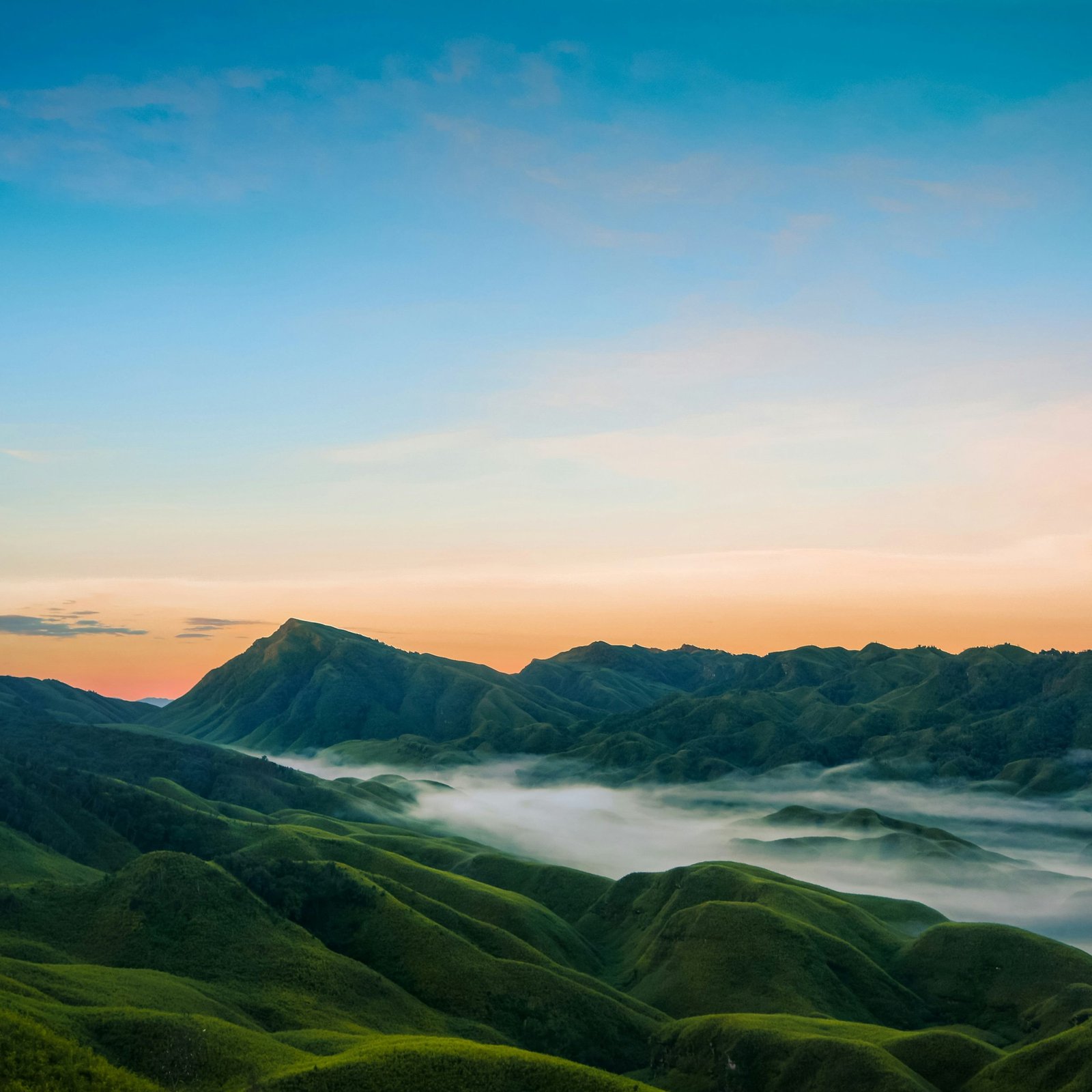

This complete Northeast India travel guide 2026 is for anyone planning a trip to the region and not sure where to start. You probably have more questions than answers right now which is normal. This guide covers everything you need, from permits and budgets to the best months for each state, so you can stop guessing and start planning.
At Wild Hill Adventure, we have been running trips across all eight northeastern states for years. This guide comes from that on-ground experience, not recycled internet lists.
Why Northeast India Deserves Your Attention in 2026
Any complete Northeast India travel guide 2026 has to start with why this year matters. The region is more accessible than it has ever been. Better road infrastructure, more direct flights to Guwahati and Imphal, and a growing number of homestays in places that had zero accommodation five years ago.
The Indian government has relaxed permit requirements for several areas in Arunachal Pradesh and Nagaland. If you have delayed this trip, permits and infrastructure are no longer the barriers they used to be. That is exactly why we put this complete Northeast India travel guide 2026 together now.
Northeast India Tourism States
Meghalaya
No complete Northeast India travel guide 2026 can skip Meghalaya. It is the easiest state for first-time visitors. Most travelers spend 5 to 7 days here. Meghalaya’s strategic location creates a unique microclimate. Cherrapunji receives some of the highest rainfall on Earth, averaging 450+ inches annually.
The best time to visit is October-February when the skies are clear and the roads are passable. Monsoon season (June-September) brings heavy rain and landslide risks.
Reasons to Visit Meghalaya
- Meghalaya is the perfect entry point to the Northeast because it combines natural beauty with accessibility. The landscape is dramatic without being remote.
- The infrastructure is developed enough that you won’t struggle with basics like food and accommodation.
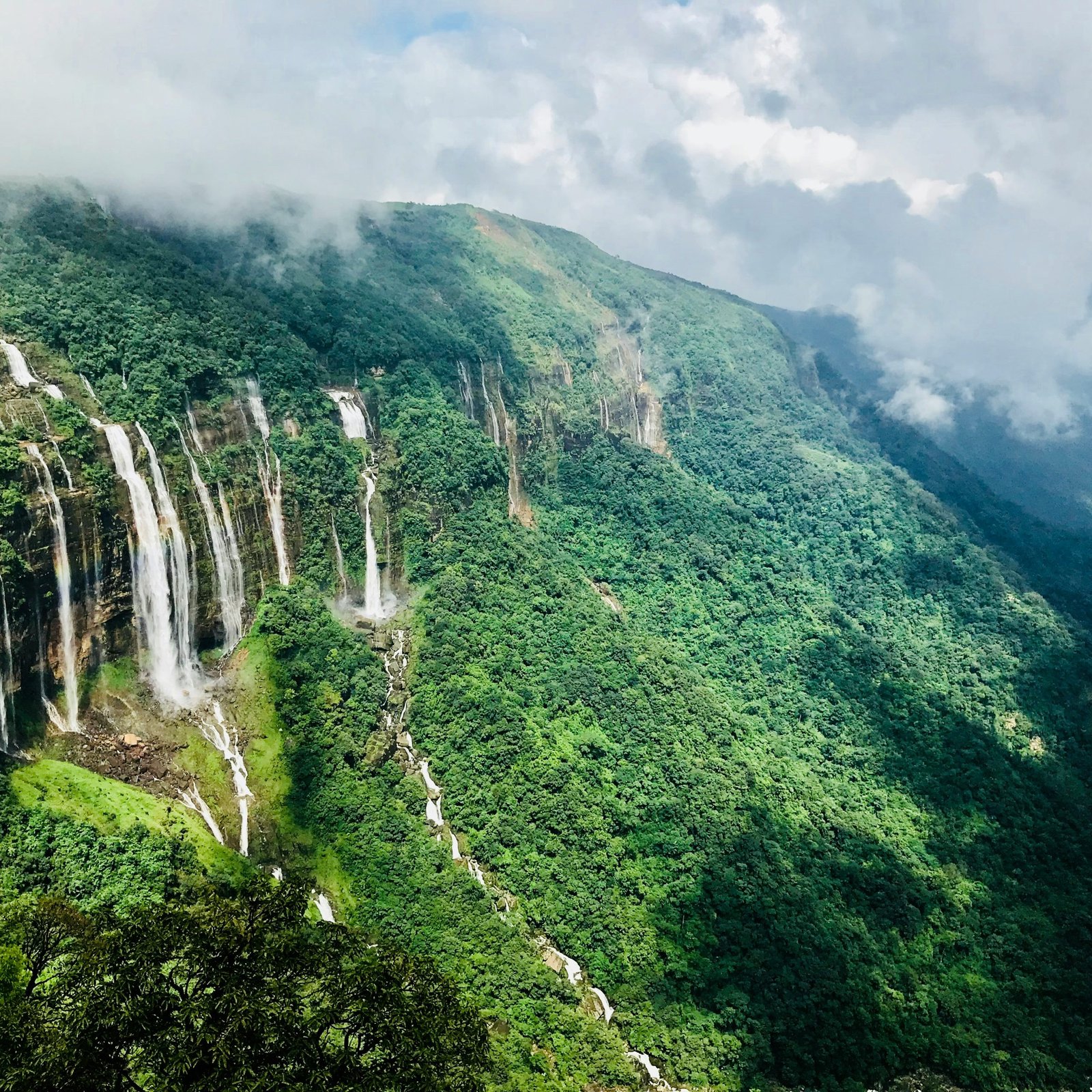
- The state is known for its waterfalls. During the monsoon season (June-September), the waterfalls are at peak flow, creating spectacular displays of water power.
- The people of Meghalaya (primarily the Khasi tribe) are warm and English-speaking. This makes independent travel easier than in other Northeast states.
- Meghalaya also offers unique experiences you won’t find elsewhere in India. The living root bridges of Khonoma and Nongriat are structures made from rubber tree roots that have been cultivated for generations.
Key Attractions in Meghalaya
- Double Decker Root Bridge Trek (Cherrapunji): A 4-5 hour round trip descent of 3,000 steps to a living root bridge. This is the signature Meghalaya experience. The trek passes through Khasi villages, offering glimpses of traditional life.
- Nohkalikai Falls (Cherrapunji): The tallest waterfall in India, best visited during monsoon season (June-September) when water volume is massive.
- Dainthlen Falls (Cherrapunji): A smaller waterfall that’s more accessible and allows you to approach the base. Popular for swimming and photography.
- Umngot River (Dawki): Famous for its crystal-clear water where you can see 20+ feet to the riverbed. Boat rides cost 300-400 per person and are best experienced in the early morning before tourist crowds arrive.
- Mawsmai Caves (Cherrapunji): Natural limestone caves with stalactites and stalagmites. The caves are easily accessible and a worthwhile half-day trip.
- Shillong Peak: The highest point in the state at 4,908 feet. The peak offers 360-degree views on clear days and is a short drive from Shillong city.
- Ward’s Lake (Shillong): A scenic lake in the city with a walking path around it. It’s a popular local spot but standard for a hill station.
Nagaland
Nagaland is a must-include in any complete Northeast India travel guide 2026. The state is home to over 16 major tribes, each with distinct traditions, food, and festivals. The Hornbill Festival in early December draws the biggest crowds, but the rest of the year is equally rewarding and far less hectic.
The best time to visit is October-November and January-February for clear skies and cooler weather. December is the Hornbill Festival period. June-September is monsoon season with landslide risks.
Reasons to Visit Nagaland
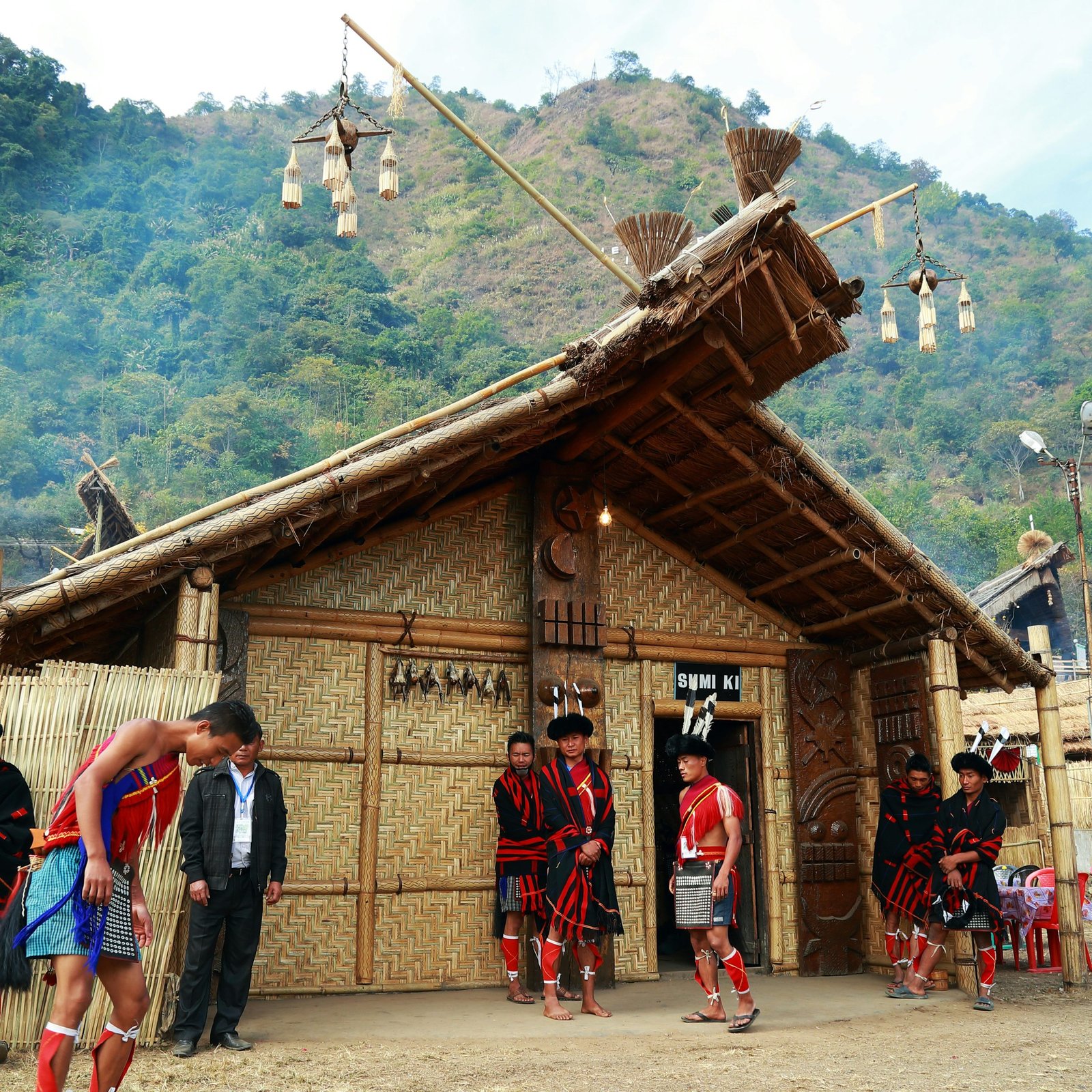
- Nagaland offers something fundamentally different: authentic tribal culture that’s still lived daily, not packaged for tourism. The Naga people have a distinct identity, distinct language, and distinct way of life that has survived for centuries.
- The state has a complex and fascinating history. The Naga people resisted complete integration into Indian kingdoms and later resisted Indian rule.
- The food in Nagaland is unlike anywhere else in India. Smoked pork, bamboo shoot curries, fermented fish, and fried insects (crickets and grasshoppers) are staples.
- The culture is also visible in every aspect of daily life. Traditional houses have distinctive architecture. Traditional dress (the shawls and skirts specific to different tribes) is worn daily, not just for festivals.
- The people are remarkably warm and curious about visitors. Because Nagaland hasn’t been overrun by tourism, locals are genuinely interested in travelers, not jaded by constant tourism.
Key Attractions in Nagaland
- Hornbill Festival (Mid-December): A celebration of Naga culture with tribal dances, traditional sports (spear-throwing, stone-pulling contests), craft bazaars, and food stalls but expect crowds and inflated prices. Book accommodation 3 to 4 months in advance.
- Khonoma Village: A traditional Naga village built on a hillside 20 km from Kohima. The village features stone houses, intricate architecture, and genuinely kind people.
- Kohima Market: The central market in Kohima state capital is chaotic, real, and where locals actually shop. The menus are in Naga script and English. It’s a window into daily Naga life.
- Local Villages: Beyond Khonoma, there are numerous villages around Nagaland where visitors can stay with local families. Villages like Tuophema (with traditional architecture), Kiphire (known for tribal crafts), and others offer homestay experiences.
- Hornbill Arts & Crafts Village: Near Kohima, this is a collection of traditional Naga houses and craft demonstrations. It’s more curated than authentic villages, but it offers insights into tribal architecture and traditional crafts.
- Dzuko Valley: A pristine valley on the Nagaland-Manipur border known for its natural beauty, wildflowers (especially rhododendrons in spring), and stunning views. It’s less visited than other attractions but worth the effort for trekkers.
- Dimapur: While the city itself isn’t a destination, it’s the entry point and has historical significance as Nagaland’s largest city and main transportation hub.
Arunachal Pradesh
Arunachal is the largest northeastern state and the least developed for tourism. Tawang sits at 3,048 meters and holds the second-largest Buddhist monastery in the world.
The best time to visit is October-November and March-April. December-February is cold and can have snow. June-September is monsoon season with landslide risks on mountain roads.
Reasons to Visit Arunachal Pradesh
- Arunachal Pradesh offers the most remote and dramatic experience in the Northeast. The state borders Tibet and Myanmar, giving it a geopolitical significance that shapes its character.
- Tawang sits near the Tibetan border and houses the Tawang Monastery, one of the oldest and most significant Buddhist sites in India. The monastery is an active religious community. Monks live there, practice there, and maintain the traditions that have continued for over 400 years.
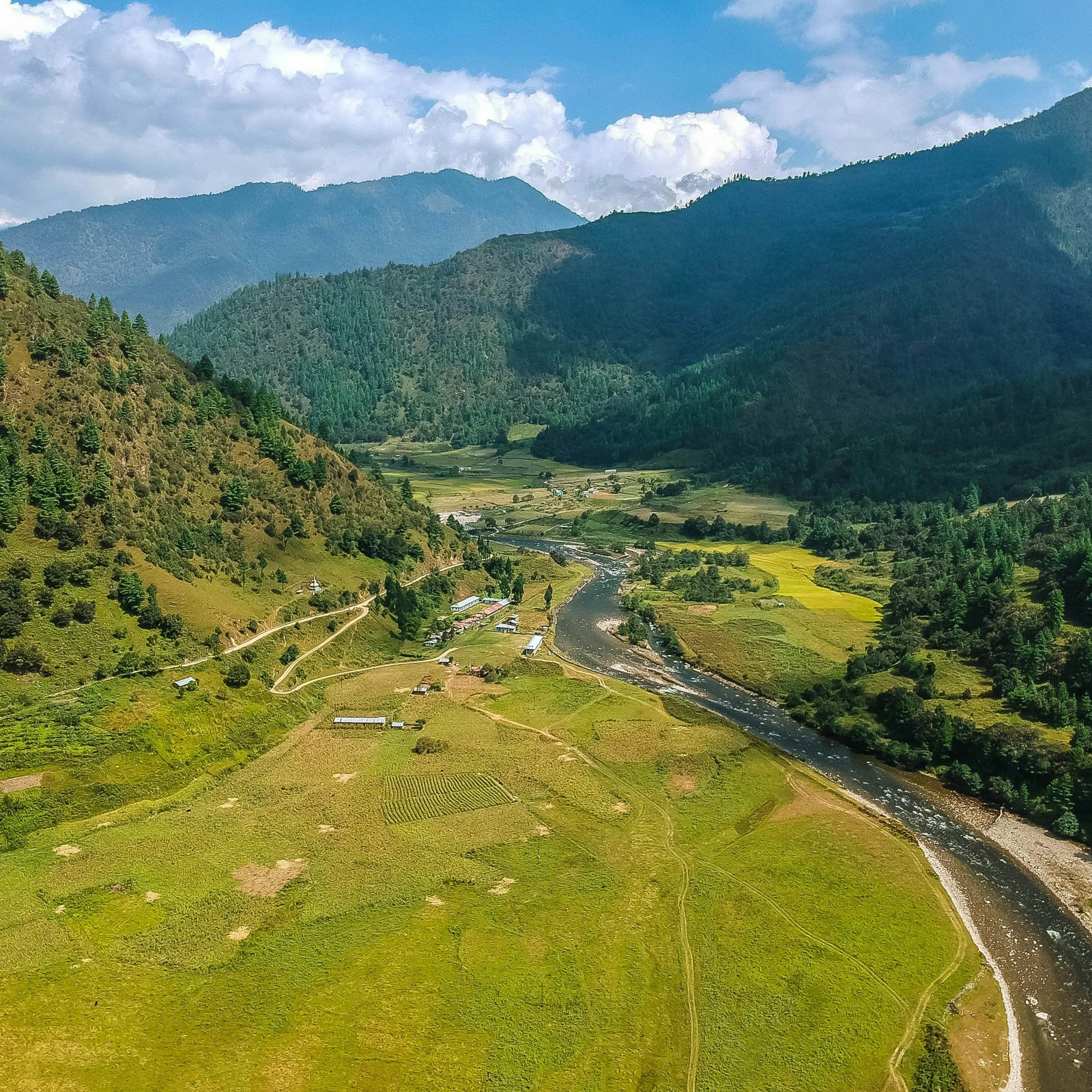
- The landscape around Tawang is breathtaking. You’re driving through the Himalayas, with views of snow-capped peaks, deep valleys, and pristine forests.
- The people of Arunachal Pradesh are less accustomed to tourism than other Northeast states, which means interactions are more genuine. You’re not one of thousands of tourists.
Key Attractions in Arunachal Pradesh
- Tawang Monastery: One of the oldest Buddhist monasteries in India, founded in the 1600s. The monastery sits on a hillside overlooking the Tawang Valley and houses prayer halls, meditation rooms, and quarters for monks.
- Tawang Valley: The valley surrounding the monastery features monasteries built on cliffs, pristine forests, and dramatic mountain views. Madhuri Lake (a small glacial lake) and Jang Valley (with meadows and mountain views) are nearby.
- The Tibet Border: Tawang is less than 100 km from the Tibetan border. You can drive close to the border (though crossing requires special permits and isn’t possible for tourists).
- Namdapha National Park: A pristine national park in the far east of Arunachal Pradesh known for its biodiversity. It’s remote and underdeveloped for tourism but offers forest and wildlife viewing for dedicated trekkers.
Manipur
Manipur’s capital Imphal now has direct flights from Delhi and Kolkata, cutting travel time dramatically. Loktak Lake, the largest freshwater lake in Northeast India, is known for its floating phumdis.
The Manipuri classical dance form is one of the eight classical Indian dance forms. The best time to visit is October-February when the weather is pleasant. Avoid monsoon season (June-September) when roads can become impassable.
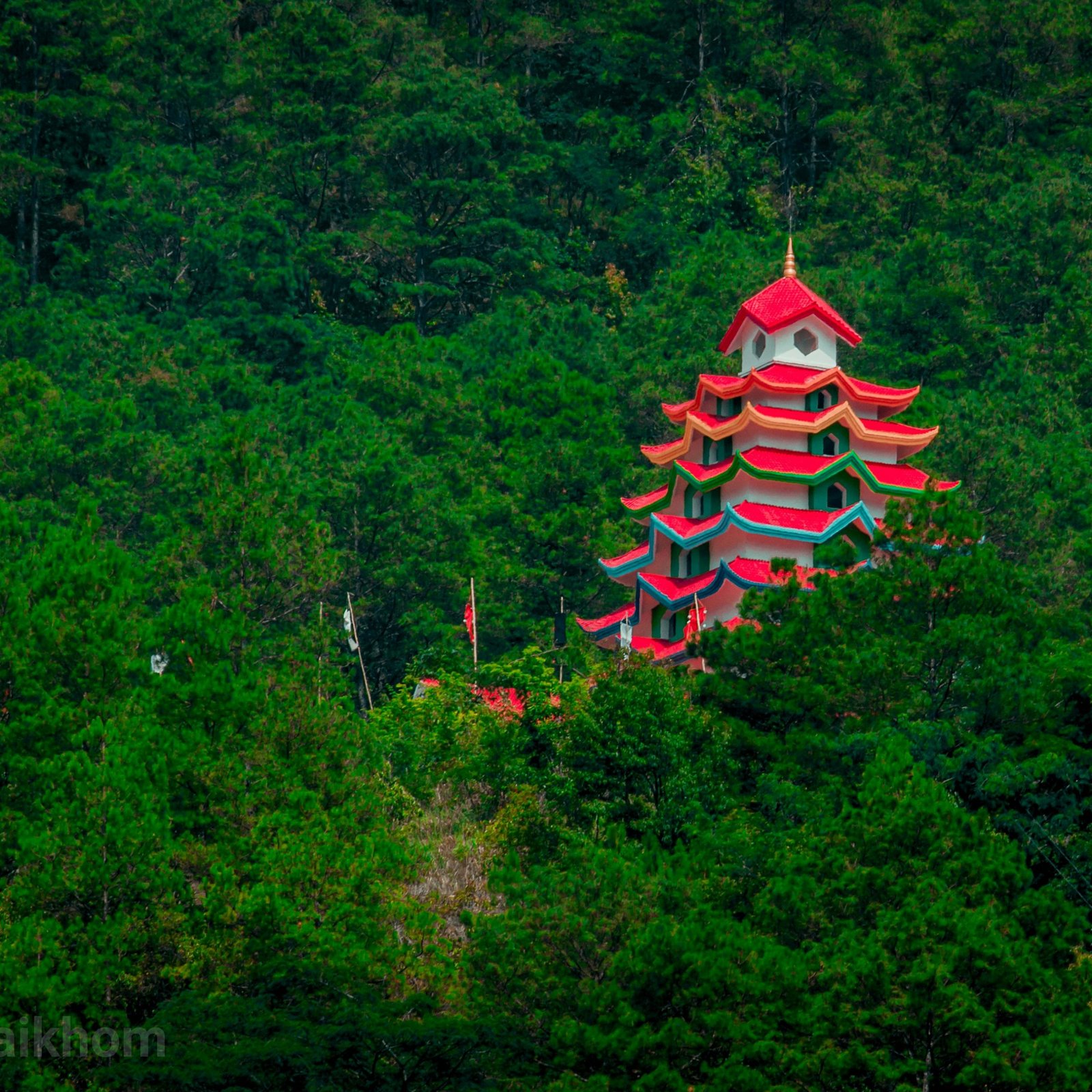
Reasons to Visit Manipur
- Manipur offers a unique experience because it’s a valley surrounded by mountains. The landscape is fundamentally different from other Northeast states.
- The state has a rich cultural heritage. The Manipuri people have developed a distinct classical dance form (Manipuri dance), a distinct music tradition, and a distinct literature.
- Loktak Lake is a natural wonder. The floating phumdis (literally “floating land”) are patches of vegetation that float on the water. Local communities have built villages on these floating patches, creating a genuinely unique way of life.
- Manipur is also the home of classical Indian dance. The Manipuri classical dance form is one of the eight major classical dance forms recognized by India. You can watch dance performances or take classes.
Key Attractions in Manipur
- Loktak Lake: The largest freshwater lake in Northeast India, famous for its floating phumdis. Boat rides through the lake pass villages built on floating patches, creating a surreal experience. The lake supports unique wildlife, including the endangered Sangai deer (brow-antlered deer), found only in Manipur.
- Imphal: The state capital has cultural and historical significance. Kangla Fort (the ancient palace of Manipur’s rulers) is an important historical site. The Manipur State Museum has artifacts and exhibits showcasing the state’s history and culture.
- Shri Govardhan Mandir: A significant Hindu temple in Imphal with historical and spiritual importance.
- Loktak Wildlife Sanctuary: Protects the Loktak Lake ecosystem and the endangered Sangai deer. The sanctuary offers wildlife viewing opportunities, though sightings aren’t guaranteed.
- Imphal Valley: The valley surrounding Imphal has scenic beauty and villages with traditional culture.
Mizoram
Mizoram is the cleanest state in India, and it shows. Aizawl, the capital, wraps around a ridge with views in every direction.
The state was one of the last regions in India to be colonized by the British, maintaining tribal autonomy longer than other regions. The best time to visit is October-February for clear skies and pleasant weather. March-May can be hot. June-September is the monsoon season.
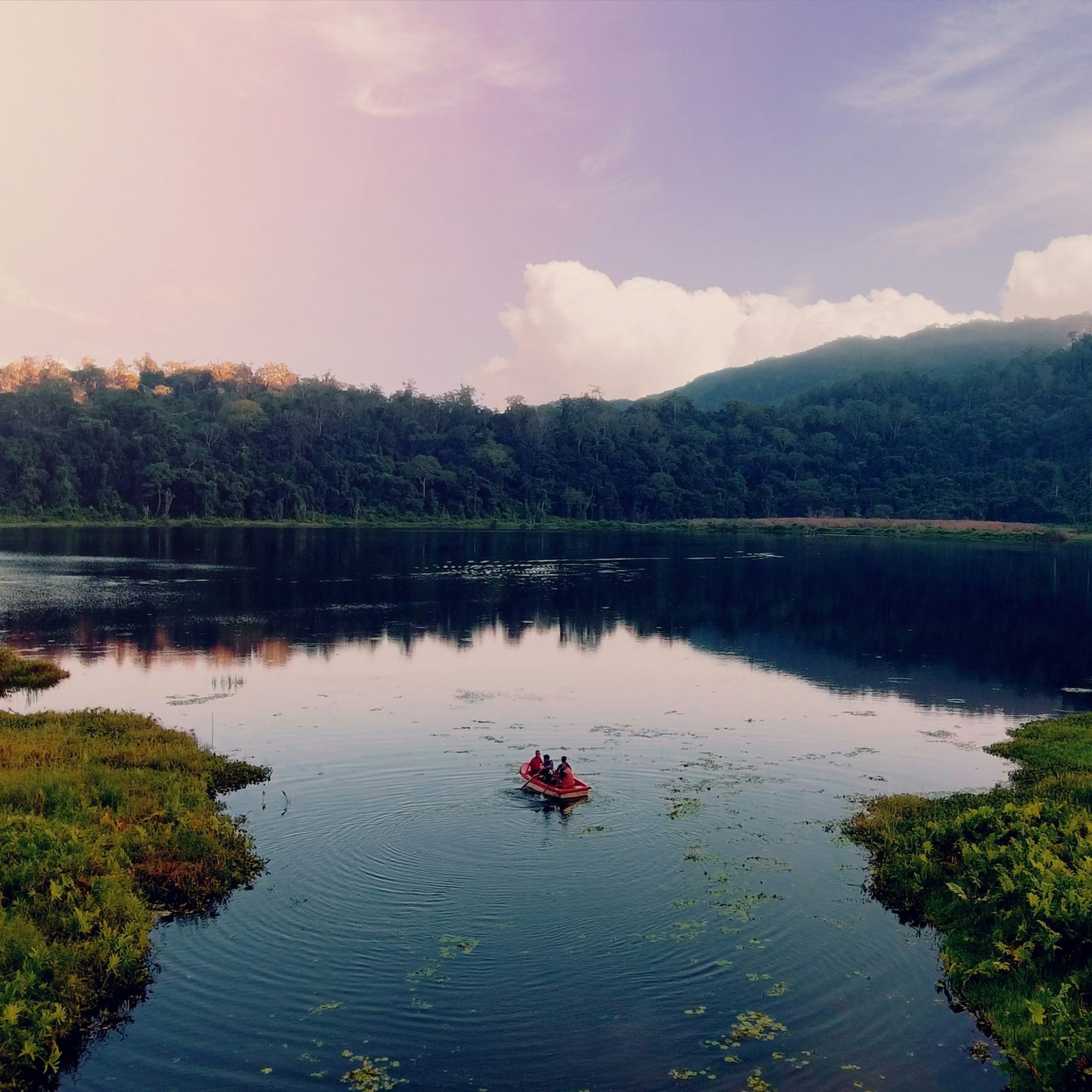
Reasons to Visit Mizoram
- Mizoram is the least-visited Northeast state by mainstream tourists, which is precisely why it deserves attention. The state has an environmental consciousness that’s visible everywhere.
- Aizawl is built on a hillside that wraps around a ridge, creating constant panoramic views. This creates an intimate, accessible city where you’re constantly interacting with locals.
- The people of Mizoram are known for being particularly welcoming to visitors. Because tourism hasn’t overwhelmed the state, interactions are genuine and warm.
- The state offers adventure and cultural experiences without the crowds and touristy infrastructure of more popular destinations.
Key Attractions in Mizoram
- Aizawl City: The capital city built on hillside slopes with organic, chaotic layout. The city has genuine character without polish. Walking through the city means constant uphill and downhill navigation, but you’re immersed in local life.
- Bamboo Forests: The dense bamboo forests surrounding Mizoram are unlike anything else in India. Trekking through these forests requires local guides (no marked trails), but the experience is authentic and surreal. The bamboo tunnels create a prehistoric atmosphere.
- Phawngpui Peak (Blue Mountain): The highest peak in Mizoram at 2,157 meters. The peak offers views across the state and is accessible as a day trek or multi-day trek depending on your fitness.
- Mizoram State Museum: Located in Aizawl, the museum has exhibits on tribal history, traditional weapons, clothing, and artifacts. It provides context for understanding Mizo culture.
- Reiek: A small town south of Aizawl known for scenic viewpoints and adventure activities like paragliding. The landscape around Reiek is stunning, with views of the surrounding hills.
- Sarita Lake: A man-made lake near Reiek with scenic views. It’s a peaceful spot for sitting and taking in the landscape.
- Traditional Villages: Villages around Mizoram offer homestay experiences where you can stay with local families and experience genuine village life. Villages like Vanzaualsiber and others showcase traditional architecture, lifestyle, and food.
Best Time to Visit Northeast India in 2026
Timing matters in any complete Northeast India travel guide 2026, and the best window is October through April. October and November bring clear skies and comfortable temperatures after the monsoon. March and April are warm and dry in the lowlands, with rhododendron blooms in the hills.
Avoid June through September unless you specifically want to experience the monsoon. Cherrapunji receives over 11,000 mm of rain annually, and many roads become impassable. December to February is cold in the higher elevations like Tawang and parts of Sikkim, so pack accordingly.
For the complete Northeast India travel guide 2026 approach, plan your dates around specific festivals or seasons.
Permits You Need for a Complete Northeast India Travel Guide 2026 Trip
Permits look complicated in any complete Northeast India travel guide 2026, but the system follows a clear pattern. Meghalaya, Assam, and Tripura require no permits for Indian citizens. Arunachal Pradesh, Nagaland, Manipur, and Mizoram require an Inner Line Permit, which you can apply for online or through your tour operator.
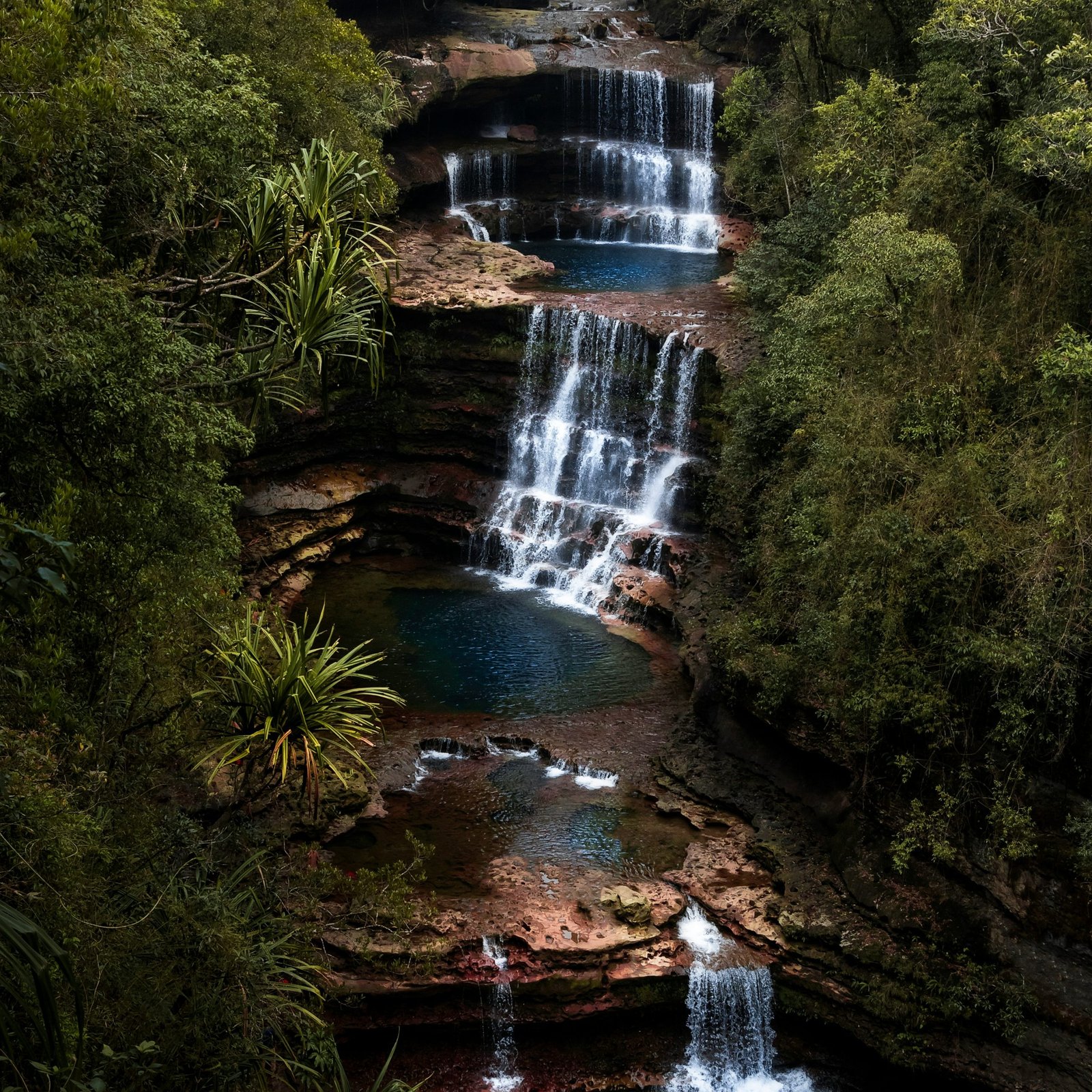
Foreign nationals need a Protected Area Permit or Restricted Area Permit for most northeastern states except Meghalaya and Assam. These permits typically require traveling with a registered tour operator and take 3 to 7 days to process. Apply at least two weeks before your trip.
Wild Hill Adventure processes all permits as part of your booking. We handle the paperwork so you do not have to figure out which government portal to use or which documents to upload.
What to Budget for Your Northeast India Trip
Budget is always a big question in any complete Northeast India travel guide 2026 discussion. The region is one of the most affordable in India. A mid-range traveler can expect to spend INR 2,500 to 4,500 per day including accommodation, meals, and local transport. Budget travelers can get by on INR 1,200 to 2,000 per day with basic guesthouses and local eateries.
Getting to Northeast India
Getting there is simpler than most people expect. This complete Northeast India travel guide 2026 recommends flying into Guwahati (Lokpriya Gopinath Bordoloi International Airport) as the main entry point. Direct flights operate from Delhi, Kolkata, Mumbai, and Bangalore.
Food You Will Actually Eat in Northeast India
Food deserves its own section in this complete Northeast India travel guide 2026. Forget what you know about Indian food. The northeast has its own culinary identity built around rice, fermented ingredients, smoked meats, and fresh herbs. Naga pork with bamboo shoot, Mizo bai, Manipuri eromba, and Assamese fish tenga are staples you will find everywhere.
Safety Tips for Traveling in Northeast India
Safety comes up in every complete Northeast India travel guide 2026, and the short answer is that the region is safe.
Carry cash in smaller denominations. ATMs exist in state capitals but are unreliable in rural areas. UPI payments work in most towns but not in remote villages.
Keep your ILP or RAP documents with you at all times, as checkpoints are common on state borders.
Mobile coverage is patchy outside major towns. Airtel and Jio work in most places, but BSNL is the most reliable in remote areas.
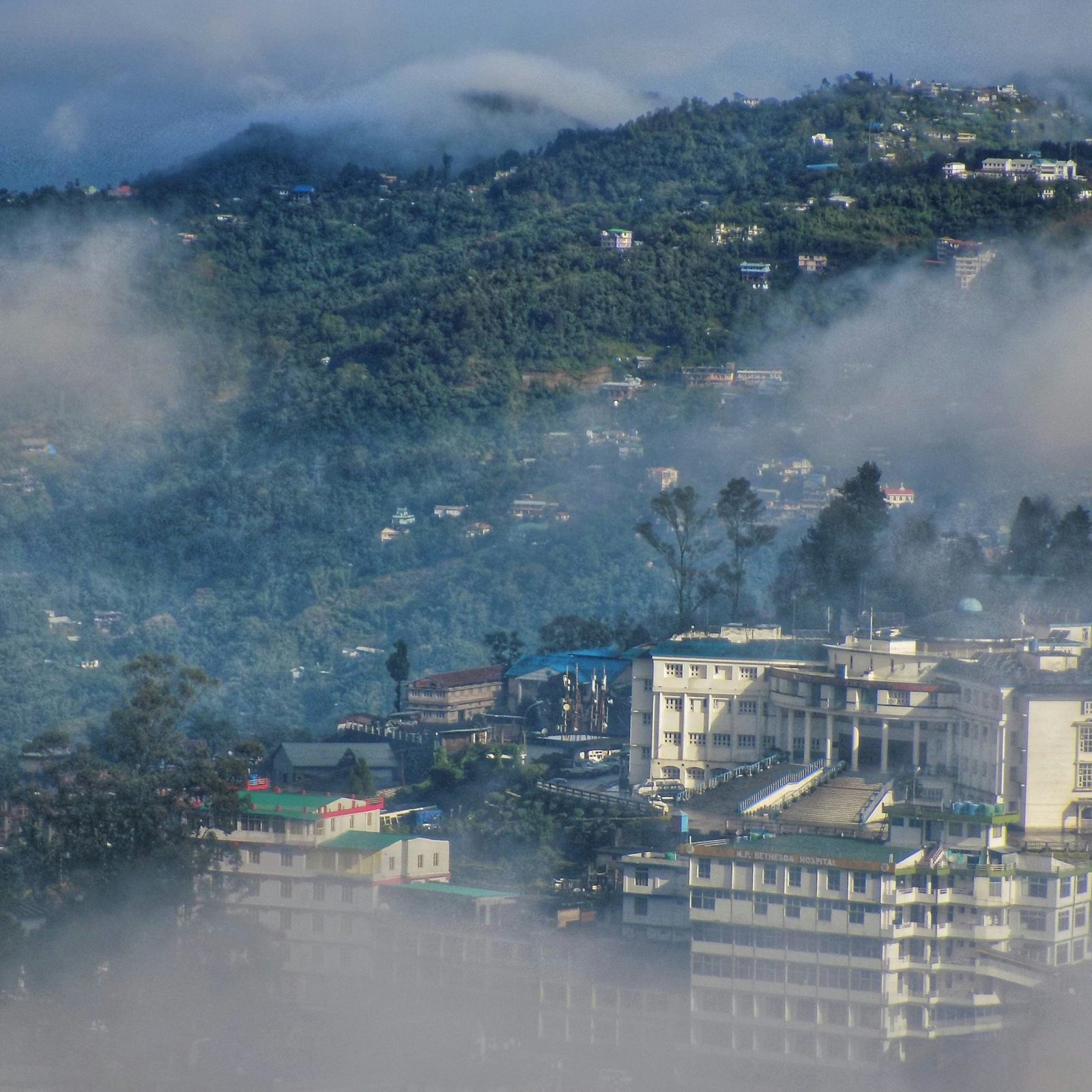
Itineraries From This Complete Northeast India Travel Guide 2026
Manipur Tour Package 3 Days
If you’re searching for the perfect Manipur tour package for 3 days, our specially crafted itinerary with Wild Hill Adventure is your ideal choice for a short yet immersive escape into the “Land of Jewels.”
12 Days Across Meghalaya and Arunachal
This Meghalaya and Arunachal tour is a spectacular 12-day adventure that takes you through the stunning landscapes, rich cultures, and serene monasteries of India’s Northeast. From the majestic mountains of Arunachal Pradesh to the lush green valleys and waterfalls of Meghalaya, this itinerary is packed with unforgettable experiences.
Mizoram 7 Days Tour Package
Discover the untouched beauty of Mizoram with our specially crafted Mizoram 7 days tour package, a perfect blend of cultural immersion, scenic drives, waterfalls, lakes, and panoramic hill views.
Planning Your Trip with Local Help
We wrote this complete Northeast India travel guide 2026 to help you plan on your own, but having a local operator still saves you days of research and on-the-ground headaches. Traveling with a local operator like Wild Hill Adventure helps with permits, route planning, and finding places that do not show up on Google Maps.
If you need help building a custom itinerary, Wild Hill Adventure can put together a route based on your dates, interests, and budget. We work directly with homestay owners, drivers, and local guides across all eight states. Bookmark this complete Northeast India travel guide 2026 and reach out whenever you are ready.
Frequently Asked Questions About Northeast India Travel in 2026
Is Northeast India safe to visit in 2026?
Yes. Every complete Northeast India travel guide 2026 says the same. Security incidents have dropped consistently over the past decade.
Do I need a permit to visit Northeast India?
It depends on which state you are visiting. Arunachal Pradesh, Nagaland, Manipur, and Mizoram require an Inner Line Permit. See the permits section in this complete Northeast India travel guide 2026 for full details.
What is the best time to visit Northeast India in 2026?
October to April is the best window. October and November have clear skies after the monsoon. March and April are warm and great for wildflower blooms.
How many days do I need for a complete Northeast India travel guide 2026 trip?
A minimum of 7 days works for one state. For a proper multi-state experience, plan 12 to 15 days. If you want to cover four or more states, 18 to 21 days is ideal.
How do I get to Northeast India?
Fly into Guwahati, which has direct flights from Delhi, Kolkata, Mumbai, and Bangalore. Imphal also has direct connections. From Guwahati, all destinations are accessible by road.
Is Northeast India expensive to travel?
No. It is one of the most affordable regions in India.
Can vegetarians travel comfortably in Northeast India?
Vegetarian food is available in Assam and Meghalaya without much trouble. In Nagaland, Manipur, and Mizoram, options are limited in smaller towns. Any good complete Northeast India travel guide 2026 will advise you to let your operator know in advance so they can plan meals at each stop.
What should I pack for a Northeast India trip?
Pack layers. This complete Northeast India travel guide 2026 cannot stress this enough. Evenings are cool even in summer at higher elevations. Waterproof jacket, comfortable walking shoes, insect repellent, a power bank, and cash in smaller denominations are essentials. Carry your permit documents at all times.
Do I need a guide or can I travel independently?
You can travel independently in Meghalaya and Assam fairly easily. For states that require permits like Arunachal Pradesh and Nagaland, a registered tour operator makes the process far simpler.
What is the Hornbill Festival and when is it held?
The Hornbill Festival is Nagaland’s biggest cultural event, held in the first week of December at Kisama Heritage Village near Kohima.
How is mobile network coverage in Northeast India?
Airtel and Jio work in most state capitals and major towns. Coverage drops in rural and mountainous areas.
Can I use UPI and digital payments in Northeast India?
UPI works in state capitals and larger towns. Smaller villages and remote areas are still cash-dependent.
What is the road condition like in Northeast India in 2026?
Main highways have improved significantly. The Guwahati-Shillong highway is in good condition, and the Kohima-Imphal route is better than it was five years ago.
Is the complete Northeast India travel guide 2026 suitable for families with kids?
Absolutely. Meghalaya and Assam are very family-friendly.

0 Comment