


Manipur Travel Guide 2026: Ultimate Guide to the Land of Jewels – Attractions, Itinerary, Tips & More
Planning a trip to Northeast India? This comprehensive Manipur travel guide 2026 is your complete resource for discovering one of the region’s most culturally rich and naturally stunning states. Known as the “Land of Jewels” for its shimmering lakes, emerald hills, and vibrant heritage, Manipur offers an enchanting mix of adventure, history, spirituality, and tranquility. In 2026, with improved airport infrastructure at Imphal International Airport (IMF), ongoing road upgrades by the Border Roads Organisation (BRO), and growing eco-tourism initiatives, Manipur is more accessible than ever while preserving its peaceful, offbeat character.
Manipur, covering 22,327 square kilometers with a population of around 3 million, is bordered by Nagaland, Mizoram, Assam, and Myanmar. Its capital, Imphal, is a bustling center of Meitei culture, while the state is globally famous as the birthplace of modern polo (Sagol Kangjei), home to the world’s only floating national park (Keibul Lamjao), and a Ramsar wetland site (Loktak Lake). According to the Manipur Tourism Department’s latest projections, visitor numbers are expected to grow by 15–20% in 2026, driven by sustainable tourism efforts and events like the Sangai Festival. This Manipur travel guide 2026 provides everything you need: best time to visit Manipur, how to reach Manipur, permits, top attractions, a sample itinerary, accommodation, food, weather and packing tips, safety, budget, cultural etiquette, and FAQs. As a local Northeast-based company like Wild Hill Adventure with over 10 years of experience, you can trust our insights — we’ve guided thousands through Manipur’s wonders safely and authentically.
Why Visit Manipur in 2026?
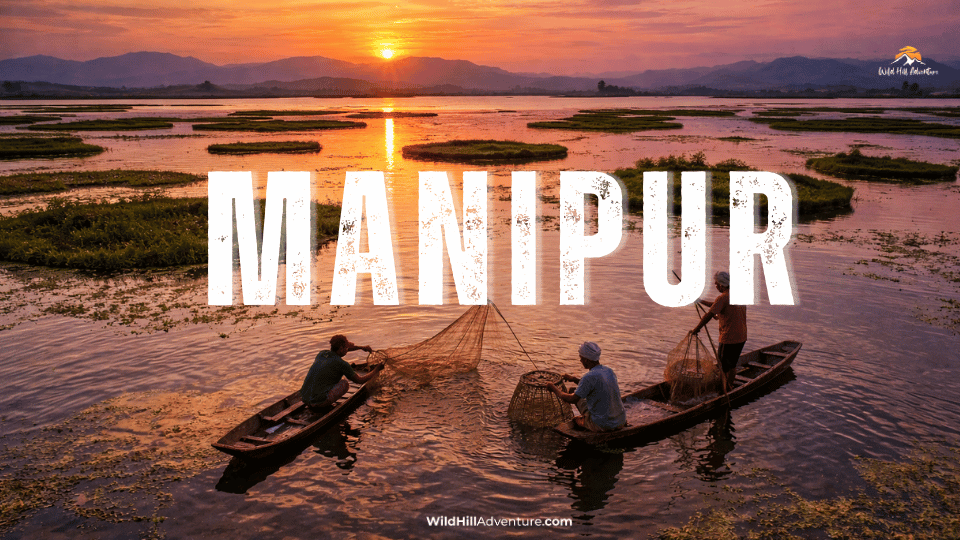
Manipur in 2026 is a traveler’s paradise — a land of pristine lakes, rolling valleys, and deep-rooted traditions. The state is rebounding post-pandemic with strong focus on eco-tourism, community-led experiences, and infrastructure development. New eco-lodges around Loktak Lake and improved access to remote areas are making it easier to explore without compromising the region’s untouched beauty.
Key reasons to visit Manipur in 2026:
- Unique Natural Wonders: Loktak Lake — the largest freshwater lake in Northeast India — and Keibul Lamjao National Park, the world’s only floating national park.
- Cultural Richness: Meitei heritage, Ras Lila dance, festivals like Yaoshang (Holi) and Sangai Festival (November), and the world’s largest all-women-run market (Ima Keithel).
- Historical Significance: WWII sites including the Battle of Imphal memorials, INA headquarters, and the spot where India’s Tricolor was first unfurled in 1944.
- Adventure & Sports: Birthplace of polo, trekking in Shirui Hills, birdwatching, and boating.
- Safety & Hospitality: One of India’s safest states with incredibly welcoming locals.
- 2026 Highlights: Expected airport expansions for more flights, better roads, and new cultural events.
As a trusted local operator like Wild Hill Adventure, we recommend 2026 as the ideal year for fewer crowds and enhanced accessibility.
Best Time to Visit Manipur in 2026
Manipur’s subtropical climate varies significantly across its valleys and hills.
- October to November (Post-Monsoon): Ideal — pleasant 15–25°C, clear skies, dry roads, and vibrant post-rain greenery. Perfect for boat rides on Loktak Lake and photography.
- December to February (Winter): Crisp 4–25°C, minimal rain — best for festivals like Sangai Festival (November 21–30, 2026) and Christmas celebrations. Migratory birds flock to Loktak.
- March to May (Summer/Spring): Mild 13–29°C, blooming orchids and rhododendrons — great for trekking and wildlife spotting.
- Avoid June to September (Monsoon): Heavy rainfall (1,000+ mm annually), flooding at Loktak, landslides, and roadblocks.
Pro Tip: For Manipur travel guide 2026, plan for October–March for optimal weather. Check forecasts via IMD or local apps, as climate shifts may bring occasional showers.
How to Reach Manipur in 2026
Manipur’s connectivity is improving rapidly in 2026.
- By Air: Fly to Imphal International Airport (IMF) — direct flights from Delhi, Kolkata, Guwahati, Bangalore, and more (IndiGo, Air India, Vistara). Airport expansions in 2026 are expected to increase frequency and add routes. From airport to Imphal city center: 8 km, 20–30 minutes by taxi
- By Train: Sairang Station (newly operational) connects to Silchar (Assam). From Sairang to Imphal: 65 km, 2 hours by road.
- By Road: From Guwahati (480 km, 12–14 hours via NH-37) or Dimapur (215 km, 7 hours). Scenic routes with ongoing BRO upgrades in 2026 for smoother travel.
- From Myanmar: Moreh border crossing for international entry (permit required).
Tip: Book flights early; we at Wild Hill Adventure handle airport pick-ups and safe transfers.
Permits and Entry Requirements for Manipur in 2026
- For Indian Citizens: Inner Line Permit (ILP) is mandatory — apply online at eilpmanipur.nic.in Quick e-approval, carry digital/print copy.
- For Foreigners: Protected Area Permit (PAP) required — apply via Indian embassies/FRRO
- 2026 Updates: Fully digital ILP portal; biometric checks at entry points possible.
- Pro Tip: If you travel with Wild Hill Adventure, all permits will be arranged by us — no hassle, just enjoy your Manipur travel guide 2026 experience.
Getting Around Manipur
Private vehicles are the best option for comfort on hilly roads.
Vehicle Options
We offer multiple vehicle options to suit different group sizes and comfort needs. Sedans are ideal for solo travelers or couples. SUVs provide comfortable travel for small families or groups. Tempo Travellers are best suited for larger groups, offering more space and a relaxed journey.
- Local Transport: Shared sumos/taxis for inter-district travel (Imphal to Moirang ₹100–200/person).
- Road Conditions: Good highways in 2026, but rural roads can be bumpy — experienced drivers are key.
Top Places to Visit in Manipur
Manipur’s attractions blend nature, history, and culture.
1. Loktak Lake – The Jewel of Manipur
The largest freshwater lake in Northeast India (287 sq km), a Ramsar wetland site. Famous for phumdis (floating islands) and the Keibul Lamjao National Park — the world’s only floating national park.
- Key Highlights: Boat rides to explore phumdis, spot fishermen, and witness Sangai deer (state animal). View Tower offers 360-degree panoramic views.
- How to Reach: 45 km from Imphal (1 hour drive).
- Best Time: October–March for calm waters.
- Things to Do: Boat safaris, birdwatching (Siberian cranes in winter), sunset views.
2. Keibul Lamjao National Park – Floating Biodiversity Hotspot
The only floating national park in the world (40 sq km), a UNESCO tentative site.
- Key Highlights: Unique phumdi ecology supporting rare species like Sangai deer, hog deer, and fishing cats.
- How to Reach: Boat from Loktak.
- Best Time: Dry season for better visibility.
- Things to Do: Guided boat safaris, wildlife spotting.
3. Kangla Fort – Ancient Seat of Meitei Kings
A 2,000-year-old fort (237 acres) in Imphal, the royal seat of Manipuri kings.
- Key Highlights: Temples, citadels, moats, and artifacts reflecting Meitei heritage.
- How to Reach: Central Imphal.
- Best Time: Year-round.
- Things to Do: Historical tour, photography.
4. Ima Keithel (Ima Market) – World’s Largest All-Women Market
A unique market run by over 5,000 women vendors.
- Key Highlights: Fresh produce, spices, handicrafts, traditional Manipuri clothing (phanek).
- How to Reach: Central Imphal.
- Best Time: Morning for best experience.
- Things to Do: Shopping, local food, cultural immersion.
5. Marjing Polo Statue – World’s Tallest Polo Statue
122-foot statue in Marjing Hills honoring polo’s origin in Manipur.
- Key Highlights: Polo ground, museum, panoramic views.
- How to Reach: 15 km from Imphal.
- Best Time: October–March.
- Things to Do: Explore history, photography.
6. INA Memorial (Moirang) – Birthplace of India’s Independence Flag
Historic site where Netaji Subhas Chandra Bose’s Azad Hind Fauj unfurled India’s Tricolor in 1944.
- Key Highlights: Museum with WWII artifacts.
- How to Reach: 45 km from Imphal.
- Best Time: Year-round.
- Things to Do: Historical tour.
7. Imphal Peace Museum & Japanese War Memorial – WWII Legacy
Sites commemorating the Battle of Imphal.
- Key Highlights: Exhibits on peace and WWII history.
- How to Reach: Imphal.
- Best Time: Year-round.
8. ISKCON & Govindajee Temples – Spiritual Landmarks
Beautiful temples dedicated to Lord Krishna.
- Key Highlights: Intricate architecture, daily rituals.
- How to Reach: Imphal.
- Best Time: Morning for aarti.
Other attractions: Dzukou Valley (trekking), Shirui Lily Hills (blooms April–May), Ukhrul (tribal culture).
Detailed Itinerary: Manipur Tour Package 6 Days
Day 1: Arrival in Imphal – The All-Women’s Market
- Arrive at Imphal Airport (IMF), where our friendly representative will welcome you with traditional Manipuri warmth.
- Quick transfer and hotel check-in (approx. 20–30 minutes).
- Dive straight into the heart of Manipur’s culture at Ima Keithel (Mother’s Market) — the world’s largest and only all-women-run market with over 5,000 vendors. This living heritage site is a vibrant showcase of Manipuri resilience and women’s empowerment. Explore fresh local produce, intricate handlooms, bamboo crafts, spices, and traditional jewelry.
- Evening stroll for local snacks (try singju salad or chak-hao kheer) and souvenir shopping.
- Overnight stay in a comfortable hotel in Imphal.
Day 2: Imphal Sightseeing to Floating Lake Stay
- After breakfast, explore the grand Kangla Fort — the ancient seat of Manipuri royalty spread over 237 acres. Walk through historic temples, citadels, moats, and royal artifacts that tell stories of Meitei kings and legends.
- Lunch at the famous Luxmi Kitchen, renowned for its authentic Manipuri thali (rice, eromba, ngari, bamboo shoots — veg options available).
- En route to Loktak, visit the Imphal Peace Museum and INA Museum in Moirang — poignant sites honoring WWII history and Netaji Subhas Chandra Bose’s Azad Hind Fauj, where India’s flag was first unfurled on Indian soil in 1944.
- Arrive at the breathtaking Loktak Lake, the largest freshwater lake in Northeast India and a Ramsar site. Enjoy a traditional boat ride across the unique phumdis (floating islands) to your floating cottage.
- Witness a magical sunset casting golden hues over the serene waters.
- Dinner and overnight stay at a floating homestay on Loktak Lake — an unforgettable eco-experience with starry nights and lake sounds.
Day 3: Floating National Park to Hill Town Retreat
- Early morning boat ride on Loktak Lake to witness its serene beauty and thriving ecosystem — spot fishermen, migratory birds, and the lake’s unique phumdi vegetation.
- Visit Keibul Lamjao National Park, the world’s only floating national park (40 sq km). This UNESCO tentative site is home to the endangered Sangai deer (brow-antlered deer, Manipur’s state animal) and rare species like hog deer and fishing cats. Guided boat safaris offer the best wildlife viewing.
- After breakfast and lunch by the lake, begin the scenic drive to Ukhrul (approx. 5–6 hours), a pristine hill town known for its rolling hills, pine forests, and untouched beauty — a perfect contrast to the valley landscapes.
- Check-in and relax in the cool hill air.
- Overnight stay in Ukhrul.
Day 4: Ukhrul Sightseeing – The Land of the Shirui Lily
- After breakfast, full day exploration of Ukhrul’s pristine landscapes.
- Trek to Siroi Peak (Shirui Kashong), the exclusive home of the rare and beautiful Shirui Lily (Lilium mackliniae, state flower — blooms April–May). Even outside bloom season, the peak offers panoramic vistas of Manipur’s hill towns and valleys.
- Visit the ancient Mova Cave and other viewpoints for breathtaking scenery.
- Interact with local Tangkhul Naga communities and learn about their traditions.
- The day is dedicated to discovering Ukhrul’s raw, natural beauty and serene atmosphere.
- Overnight stay in Ukhrul.
Day 5: Return to Imphal – A Day for Shopping & Souvenirs
- After breakfast, scenic drive back to Imphal (approx. 5–6 hours).
- The rest of the day is yours to enjoy freely — revisit Ima Keithel for more shopping (perfect for Manipuri phanek skirts, kauna grass baskets, or black rice), explore local cafes, or simply relax at your hotel.
- Optional visits to lesser-known spots like local polo grounds or handicraft villages.
- Overnight stay in Imphal.
Day 6: Departure from Imphal
- Enjoy a final Manipuri breakfast (perhaps chak-hao kheer or eromba).
- Visit the Polo Ground and Marjing Polo Complex — symbolic of Manipur being the birthplace of modern polo (Sagol Kangjei), with the world’s tallest polo statue.
- Transfer to Imphal Airport as per your flight schedule.
- Trip ends with cherished memories of Manipur’s magical charm, diverse ecosystems, and resilient history.
Note: As a local Northeast-based company, we often include hidden offbeat spots (secret viewpoints, local villages, or birdwatching points) when time and weather allow. Early starts ensure smooth travel.
Manipur Tour Package 3 Days
- Imphal: Classic Hotel (Deluxe), The Classic Hotel (Premium).
- Loktak: Floating homestays (eco-friendly, Standard–Deluxe).
- Categories: Standard (basic comforts), Deluxe (better views), Premium (luxury amenities).
Food and Dining in Manipur
Manipur cuisine is simple, healthy, and fermented.
- Must-Try: Eromba (chili-vegetable stew), Chamthong (vegetable stew), Ngari (fermented fish), Singju (salad), Chak-hao Kheer (black rice pudding).
Food Preferences
• If you are vegetarian, Jain, or prefer Halal food, please inform us in advance so we can arrange meals that match your dietary needs.
Weather, Packing Tips, and Health for Manipur in 2026
- Weather: Mild summers (13–29°C), cool winters (4–25°C), heavy monsoons.
- Packing: Layers, rain gear, sturdy shoes, insect repellent, medicines.
- Health: Low risk; carry altitude meds for hills. Basic clinics in Imphal.
Safety in Manipur for Tourists in 2026
Manipur is generally safe for tourists, with low crime and hospitable locals. Occasional ethnic tensions occur — follow government advisories and stick to main tourist areas like Imphal and Loktak. As a local company like Wild Hill Adventure, we monitor situations and ensure safe, guided travel.
Cultural Etiquette in Manipur
- Dress modestly at temples.
- Greet with folded hands or “Khurai”.
- Respect Ima Market vendors.
- Try local food politely; ask about dietary options.
Manipur is community-oriented — follow respectful practices for a warm welcome.
Manipur Travel Guide 2026: Frequently Asked Questions (FAQs)
Planning your trip to Manipur in 2026? This detailed FAQ section in our Manipur Travel Guide 2026 answers the most common and highly searched questions that travelers ask when preparing to visit the “Land of Jewels.” Whether you’re wondering about the best time to visit Manipur, how to reach Manipur, permits, safety, top attractions, food, or detailed itinerary ideas, we’ve provided thorough, practical, and up-to-date answers based on the latest information for 2026.
1. What is the best time to visit Manipur in 2026?
The best time to visit Manipur in 2026 is from October to April. During these months, the weather remains pleasant with daytime temperatures ranging from 15°C to 25°C, clear skies, low humidity, and minimal rainfall — making it ideal for sightseeing, boat rides on Loktak Lake, trekking, and exploring historical sites. October and November offer post-monsoon freshness with vibrant greenery and excellent visibility for photography. December to February brings cool, crisp winter air (4°C to 20°C) and is the season of the famous Sangai Festival (usually late November), showcasing Manipuri dance, polo, and cultural exhibitions. March and April mark spring with blooming orchids and mild weather.
2. How to reach Manipur in 2026?
Reaching Manipur in 2026 is convenient through multiple routes. The most popular and efficient way is to fly into Imphal International Airport (IMF), which is well-connected with direct flights from major cities including Delhi, Kolkata, Guwahati, Bangalore, and Imphal via airlines like IndiGo, Air India, and Vistara. In 2026, expect expanded flight schedules and better airport facilities. From the airport, it’s only about 8 km (20–30 minutes) to Imphal city center by taxi or pre-booked transfer. Alternatively, you can arrive by train at Sairang Station (newly operational) or Bairabi, with connections from Silchar (Assam). Road travel from Guwahati (480 km, 12–14 hours) or Dimapur (215 km, 7 hours) is scenic but involves hilly terrain — SUVs are recommended. As a local company like Wild Hill Adventure, we provide seamless airport/station pick-up and drop-off for a smooth start to your trip.
3. What permits are required for Manipur travel in 2026?
For Indian citizens, an Inner Line Permit (ILP) is mandatory to enter Manipur in 2026. You can apply online through the official e-ILP portal (eilpmanipur.nic.in) with a simple process — fees are approximately ₹100–300 and approval is usually instant or within hours. Carry a digital or printed copy for check-posts. Foreign nationals require a Protected Area Permit (PAP), which must be applied for in advance through Indian embassies or FRRO (group of 2 or more, fees around ₹3,000, valid for 30 days). In 2026, the e-ILP system is fully digital and streamlined. If you travel with Wild Hill Adventure, all permits will be arranged by us — we handle the entire process so you can focus on enjoying your Manipur travel experience.
4. What are the top places to visit in Manipur?
The top places to visit in Manipur include:
- Loktak Lake — the largest freshwater lake in Northeast India and a Ramsar site, famous for its unique floating phumdis (vegetation islands) and magical sunsets.
- Keibul Lamjao National Park — the world’s only floating national park, home to the rare and endangered Sangai deer (Manipur’s state animal), along with other wildlife like hog deer and fishing cats.
- Kangla Fort — a 2,000-year-old historical site that served as the royal seat of Manipuri kings, featuring ancient temples, citadels, moats, and rich Meitei heritage.
- Ima Keithel (Ima Market) — the world’s largest all-women-run market with over 5,000 vendors selling fresh produce, spices, handicrafts, and traditional Manipuri clothing.
- Marjing Polo Statue — the world’s tallest polo statue (122 feet), honoring Manipur as the birthplace of modern polo (Sagol Kangjei), with a polo ground and museum.
- INA Memorial (Moirang) — historic site where Netaji Subhas Chandra Bose’s Azad Hind Fauj first unfurled India’s Tricolor flag in 1944, with a museum of WWII artifacts.
- Imphal Peace Museum & Japanese War Memorial — poignant WWII sites commemorating the Battle of Imphal.
- ISKCON Temple & Govindajee Temple — beautiful spiritual sites dedicated to Lord Krishna with intricate architecture.
These are the most popular and must-visit places in Manipur for any traveler.
5. Is Manipur safe for tourists in 2026?
Yes, Manipur is generally considered safe for tourists in 2026, especially in the main tourist areas like Imphal, Loktak Lake, and Ukhrul. The state has a reputation for warm, hospitable locals and low petty crime rates. However, occasional ethnic tensions or unrest can occur in certain border or remote areas — it is always advisable to check the latest government advisories (Ministry of Home Affairs or MEA) and travel with a reputable local operator like Wild Hill Adventure. We monitor the situation daily, choose safe routes, and provide guided, secure travel so you can enjoy your Manipur trip worry-free.
6. What is the weather like in Manipur in 2026?
The weather in Manipur in 2026 is subtropical highland type — mild and pleasant most of the year. Summers (March–May) are warm (13–29°C), winters (December–February) are cool and crisp (4–25°C), and post-monsoon (October–November) is the most comfortable with clear skies and low humidity. Monsoon season (June–September) brings heavy rainfall (over 1,000 mm annually), leading to flooding around Loktak Lake and landslides on hilly roads. In 2026, expect similar patterns with possible slight warming in winter due to climate trends — pack layers, rain gear, and sturdy shoes for comfort during your Manipur travel.
7. How many days are needed for Manipur?
For most travelers, 3 to 7 days is ideal for Manipur. A 3-day trip covers the essentials — Imphal’s historical sites, Loktak Lake, and cultural highlights — while 5–7 days allow deeper exploration of Ukhrul hills, Shirui Lily treks, Dzukou Valley, or additional festivals. Our Manipur tour package options are flexible to suit short getaways or longer immersive journeys.
8. What is a sample Manipur itinerary?
A popular sample itinerary for Manipur is a 3-day plan: Day 1 — Imphal & Loktak Lake with Kangla Fort and boat ride; Day 2 — Keibul Lamjao National Park, WWII memorials, INA Museum, and Ima Market; Day 3 — Marjing Polo Statue, temples, and departure. For more depth, extend to 5–7 days with Ukhrul and Shirui Peak. See our detailed itineraries for complete plans.
9. What vehicle options are available for Manipur travel?
Multiple vehicle options are available to suit different group sizes and comfort needs. Sedans are ideal for solo travelers or couples. SUVs provide comfortable travel for small families or groups. Tempo Travellers are best suited for larger groups, offering more space and a relaxed journey on Manipur’s hilly roads.
10. What accommodation categories are available in Manipur?
Accommodation can be chosen from three categories. Standard stays offer clean and comfortable rooms with essential amenities. Deluxe accommodations provide upgraded rooms with better comfort and services. Premium accommodations include high-end properties with superior amenities and prime locations.
11. What are the famous foods in Manipur?
Famous foods in Manipur include Eromba (spicy fermented vegetable stew), Chamthong/Kangshoi (vegetable stew), Ngari (fermented fish), Singju (piquant salad with lotus stem), Morok Metpa (chili paste chutney), Chak-hao Kheer (black rice pudding), and Nga Thongba (fish curry). Manipur cuisine is simple, healthy, and rice-based with strong use of fermented ingredients.
12. Is vegetarian, Jain, or Halal food available in Manipur?
Yes, vegetarian, Jain, and Halal food can be arranged in Manipur. While local cuisine often includes fish or meat, rice-based vegetarian dishes, vegetable stews, and salads are common. Pure Jain meals (no roots, no onion/garlic) and Halal preparations are possible with prior notice. Wild Hill Adventure has hosted lots of guests with these dietary needs and can arrange customized meals throughout your trip using our strong local network.
13. What is the boat ride at Loktak Lake like?
The boat ride at Loktak Lake is one of the most magical experiences in Manipur. You glide across the largest freshwater lake in Northeast India on traditional canoes or motorboats, exploring the unique phumdis (floating vegetation islands), watching local fishermen harvest lotus stems, and spotting migratory birds. The ride offers serene views, fresh air, and close encounters with the floating ecosystem — especially beautiful at sunrise or sunset.
14. What is Keibul Lamjao National Park?
Keibul Lamjao National Park is the world’s only floating national park (40 sq km), a UNESCO tentative site, located on Loktak Lake. It is formed entirely by floating phumdis (vegetation masses) and is home to the rare and endangered Sangai deer (brow-antlered deer, Manipur’s state animal), along with hog deer, fishing cats, and over 100 bird species. Boat safaris are the best way to explore this unique floating biodiversity hotspot.
15. What is the significance of Kangla Fort?
Kangla Fort is the ancient royal seat of Manipuri kings, a 2,000-year-old site spread over 237 acres in Imphal. It was the center of Meitei power, featuring sacred temples, citadels, moats, and royal artifacts. It holds deep cultural and historical significance, with legends of the seven clans and Meitei heritage, making it one of the most important places to visit in Manipur.
16. What makes Ima Market unique?
Ima Keithel (Mother’s Market) is the world’s largest and only all-women-run market, with over 5,000 women vendors. It is a living symbol of Manipuri women’s empowerment and resilience, selling fresh produce, spices, traditional Manipuri clothing (phanek), handicrafts, bamboo products, and more. It’s a cultural and economic landmark that reflects the strong role of women in Manipuri society.
17. What is the Marjing Polo Statue?
The Marjing Polo Statue is the world’s tallest polo statue (122 feet) located in Marjing Hills, Imphal. It honors Manipur as the birthplace of modern polo (known locally as Sagol Kangjei). The complex includes a polo ground, museum, and panoramic views of the valley, making it a unique blend of sport heritage and scenic beauty.
18. What is the historical importance of INA Memorial?
The INA Memorial in Moirang is the historic site where Netaji Subhas Chandra Bose’s Azad Hind Fauj first unfurled India’s Tricolor flag on Indian soil in April 1944. It includes a museum with WWII artifacts, photos, and stories of the independence struggle, making it a significant patriotic landmark.
19. What are the road conditions like in Manipur?
Road conditions in Manipur are generally good on major highways (especially Imphal to Loktak), scenic, and improving in 2026 due to BRO projects. Rural and hilly stretches can be winding and bumpy, but our experienced drivers ensure safe and comfortable travel throughout your Manipur tour.
20. Why choose Wild Hill Adventure for your Manipur tour package?
With over 10 years of local expertise in the Northeast, Wild Hill Adventure offers trusted service, full permit handling, hidden offbeat experiences, community-supported travel, and 24/7 on-ground support. We make your Manipur tour feel like traveling with family — safe, authentic, sustainable, and personalized. Many guests return and recommend us — check our reviews!
Ready to plan your Manipur adventure in 2026? Contact Wild Hill Adventure today: Phone/WhatsApp: +91 9365476611 / +91 70020 47509 Email: wildhilladventure@gmail.com Instagram: @wildhilladventure Website: www.wildhilladventure.com
Let’s create unforgettable memories in the Land of Jewels! 🌿🏞️
Ready for Manipur in 2026? Contact Wild Hill Adventure for your customized trip!
Phone/WhatsApp: +91 9365476611 / +91 70020 47509
Email: wildhilladventure@gmail.com
Website: www.wildhilladventure.com
Explore the Jewel of India responsibly! 🌿🏞️

0 Comment