

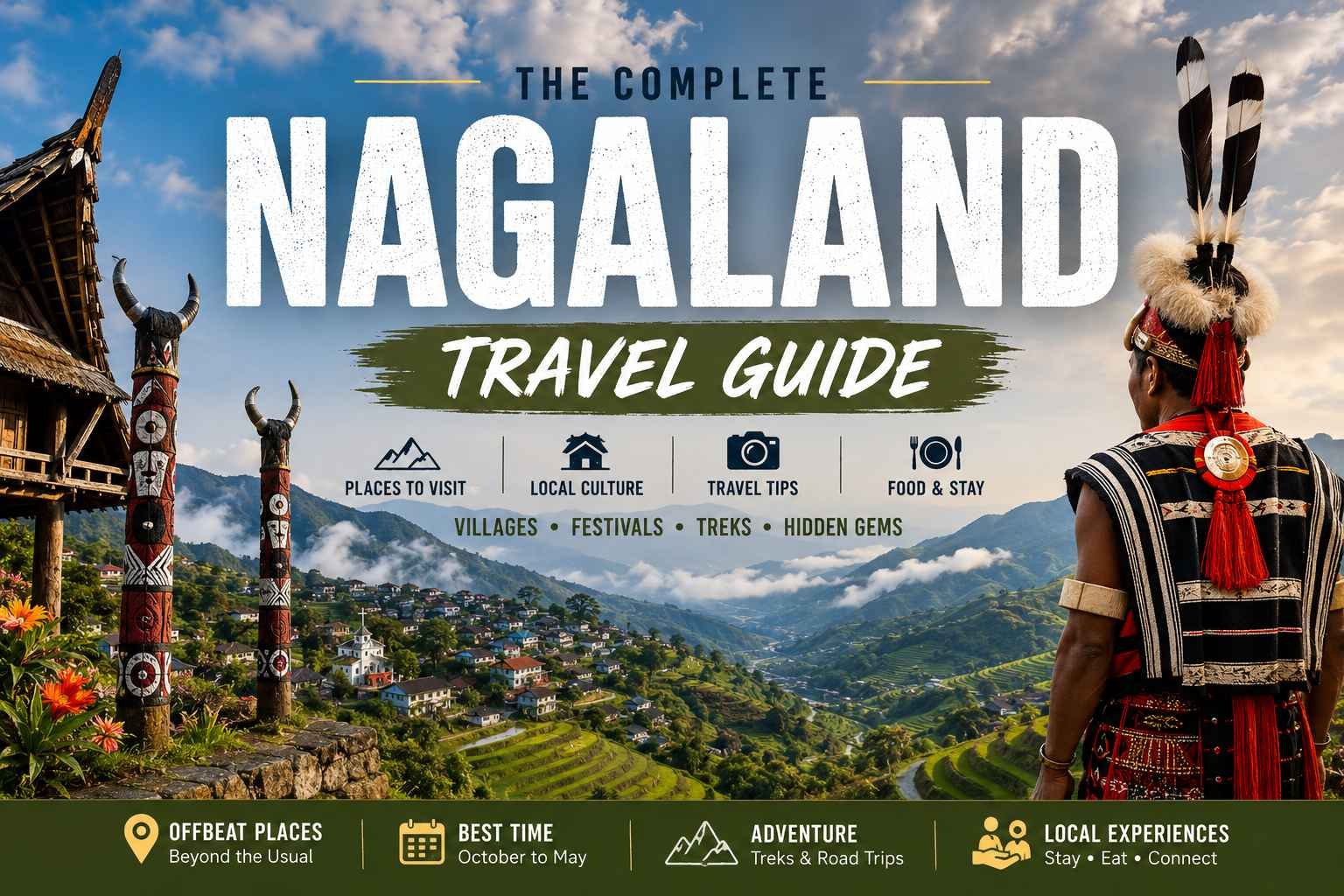

Nagaland Travel Guide
Everything You Need to Know Before Visiting Nagaland
Nagaland is one of those places that is difficult to understand through photographs alone.
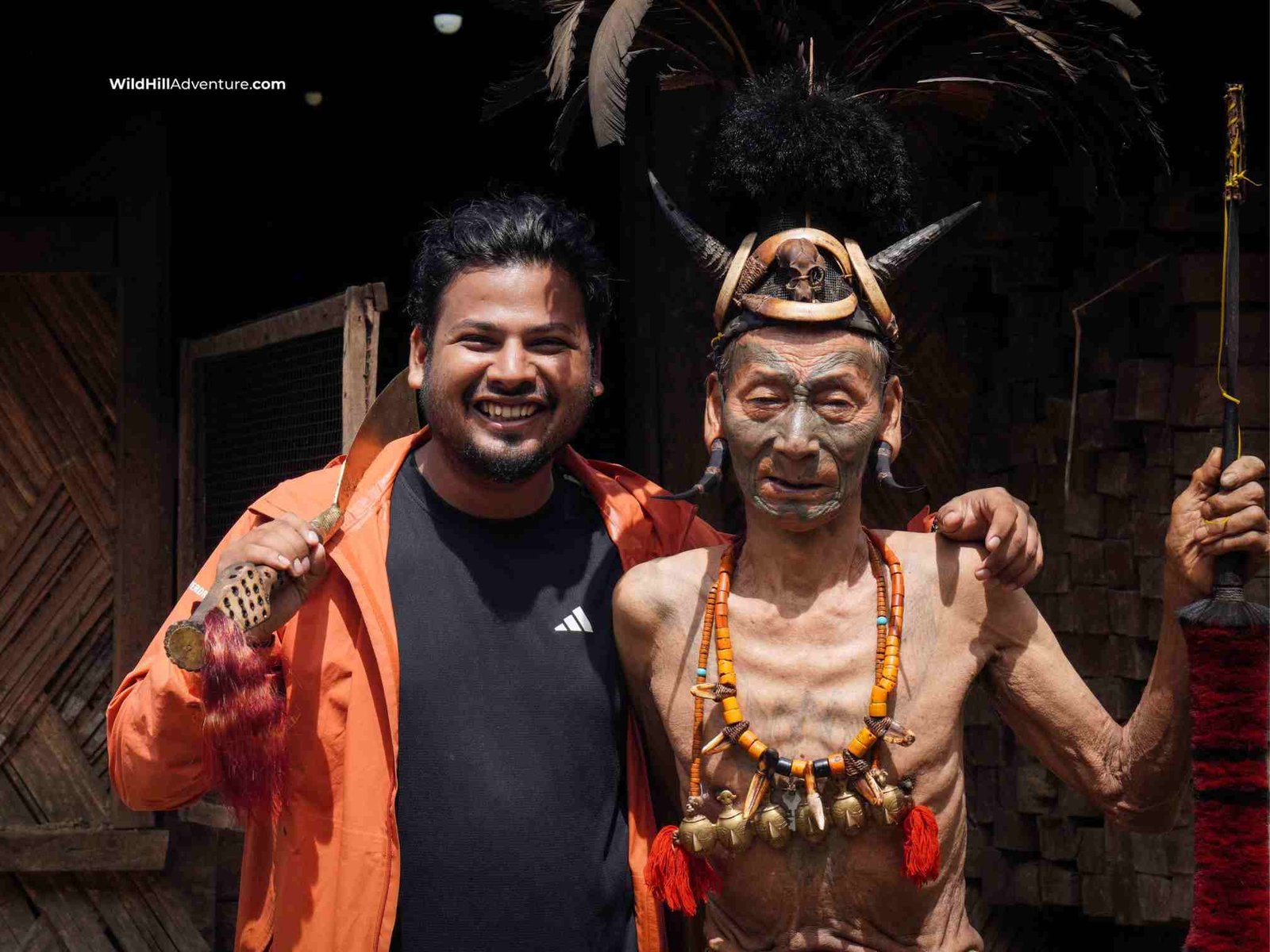
You can see pictures of green mountains, traditional villages, the Hornbill Festival and Dzukou Valley, but the real experience of travelling through Nagaland is very different. It is in the conversations you have inside a village home, the food cooked from vegetables grown behind the house, the mountain roads disappearing into clouds, and the evenings when everyone sits together because there is barely any mobile network.
I have travelled across Nagaland countless times over the years, both personally and while hosting travellers with Wild Hill Adventure. From Kohima and the villages around it to Dzukou Valley, Pfutsero, Kapamodzü and the remote Konyak villages of Mon district, every trip has shown me another side of the state.
This Nagaland Travel Guide is based largely on those experiences. If you’re planning your first Nagaland trip, I’ll explain where to go, how many days you need, permits, transportation, food, accommodation, festivals, offbeat villages and how I would personally plan the journey.
Nagaland Travel Guide: Quick Overview
State: Nagaland
Capital: Kohima
Main entry point: Dimapur
Major airport: Dimapur Airport/Guwahati Aiport
Popular destinations: Kohima, Khonoma, Dzüleke, Dzukou Valley, Kisama, Pfutsero, Kapamodzü, Mon and Longwa
Best for: Culture, villages, trekking, photography, festivals, slow travel and offbeat experiences
Recommended duration: 7–15 days for a good first trip
Ideal for deeper exploration: 6–14+ days
Nagaland is not a destination I recommend rushing.
You can technically visit Kohima, Hornbill Festival and a nearby village in three or four days, but that only gives you an introduction.
If you really want to understand Nagaland, spend time in its villages.
Why Visit Nagaland?
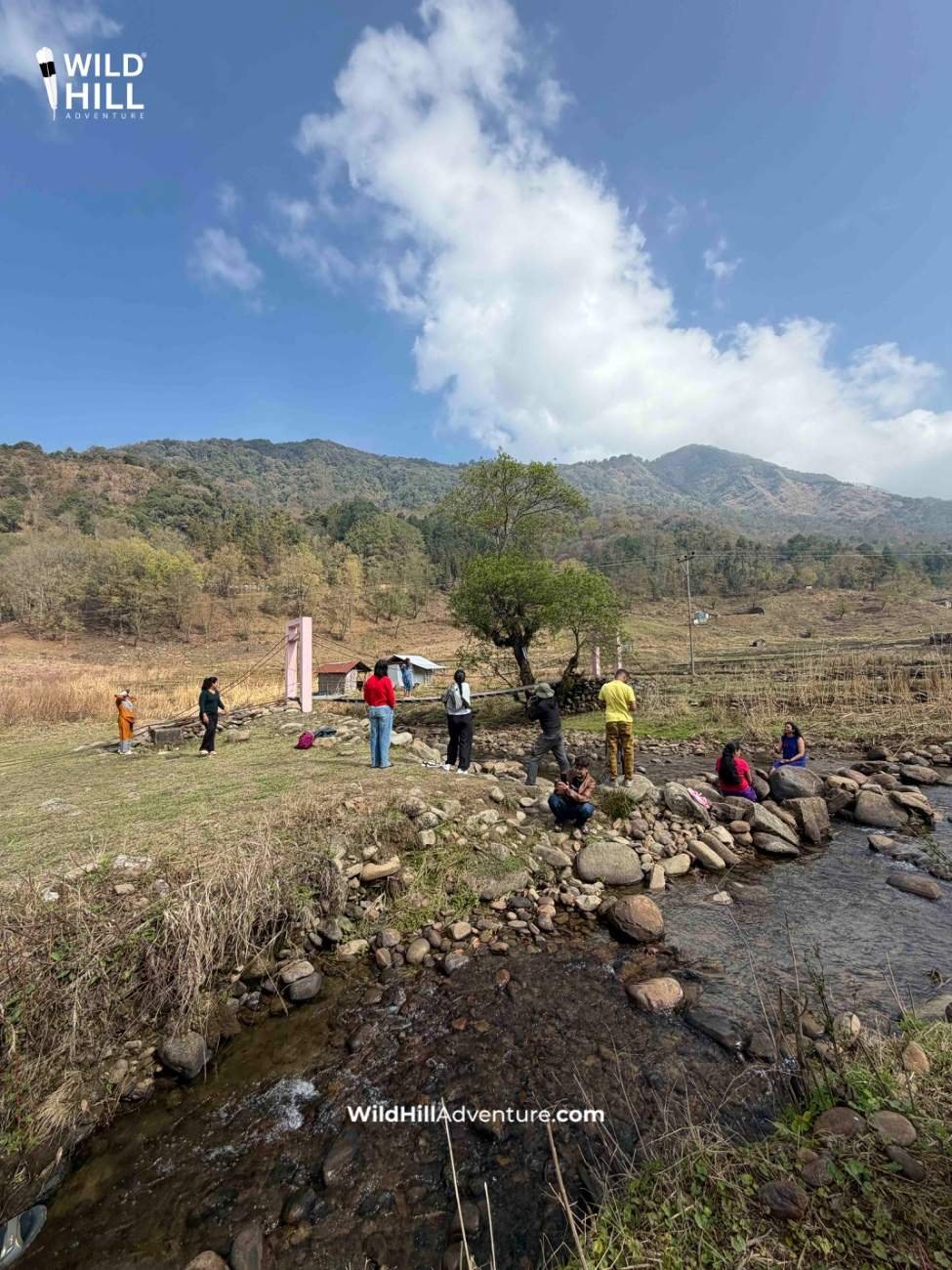
Nagaland offers something increasingly difficult to find in popular tourist destinations: a strong sense of place.
Many villages still maintain their own customs, architecture, community institutions, agricultural traditions and local food.
One day you might be walking through the terraced fields of Khonoma.
The next morning you could wake up without mobile network beside a river in Dzüleke.
A few days later you could be sitting around a fire in Dzukou Valley.
Travel farther towards Mon and the atmosphere changes again as you enter Konyak country and villages close to the India-Myanmar border.
Nagaland isn’t about checking twenty sightseeing points from a list.
The people, villages, food and journeys between destinations are part of the sightseeing.
Best Places to Visit in Nagaland
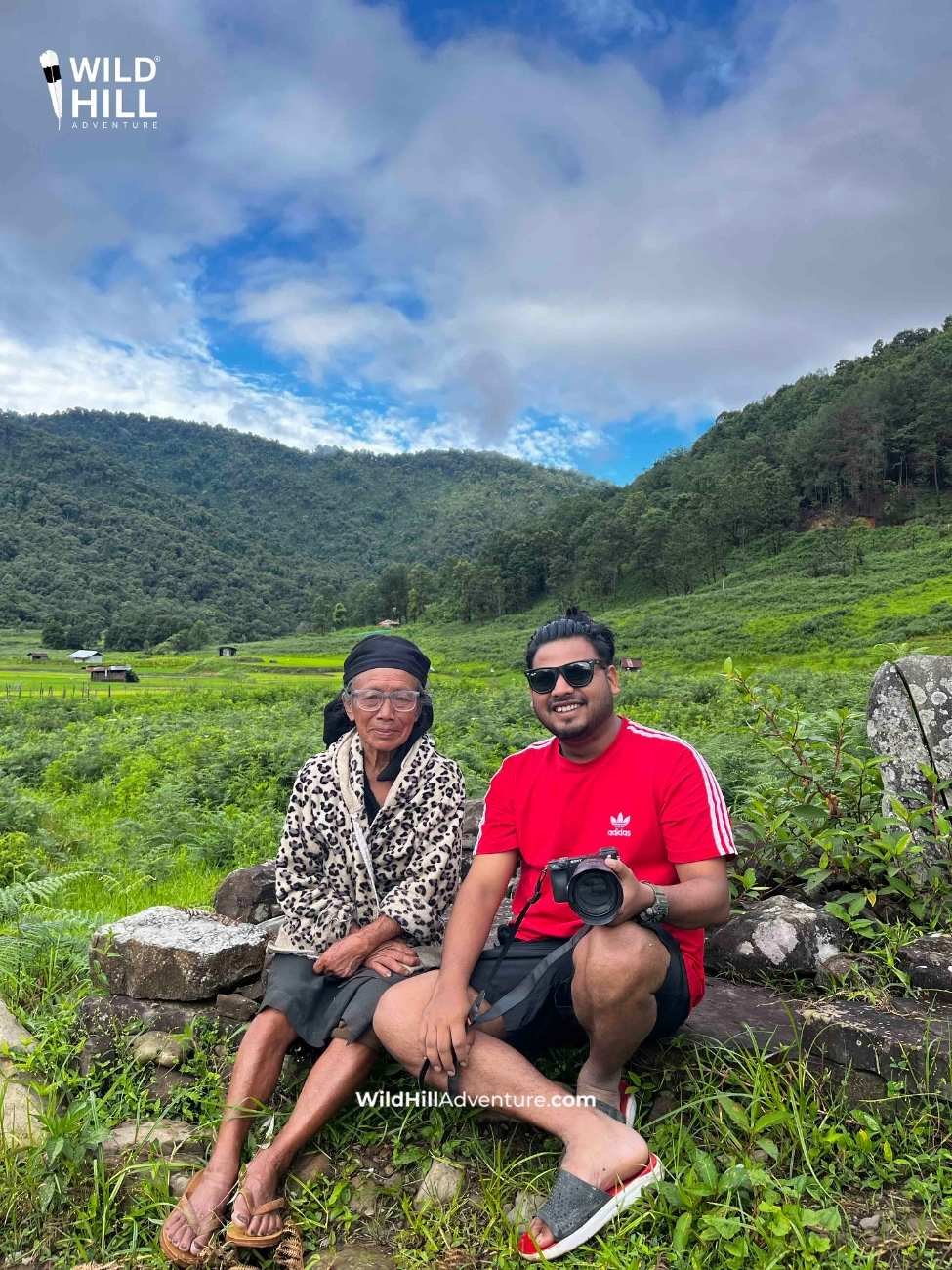
A complete Nagaland Travel Guide would be impossible without understanding how different the various parts of Nagaland are.
Here are the places I recommend most.
1. Kohima
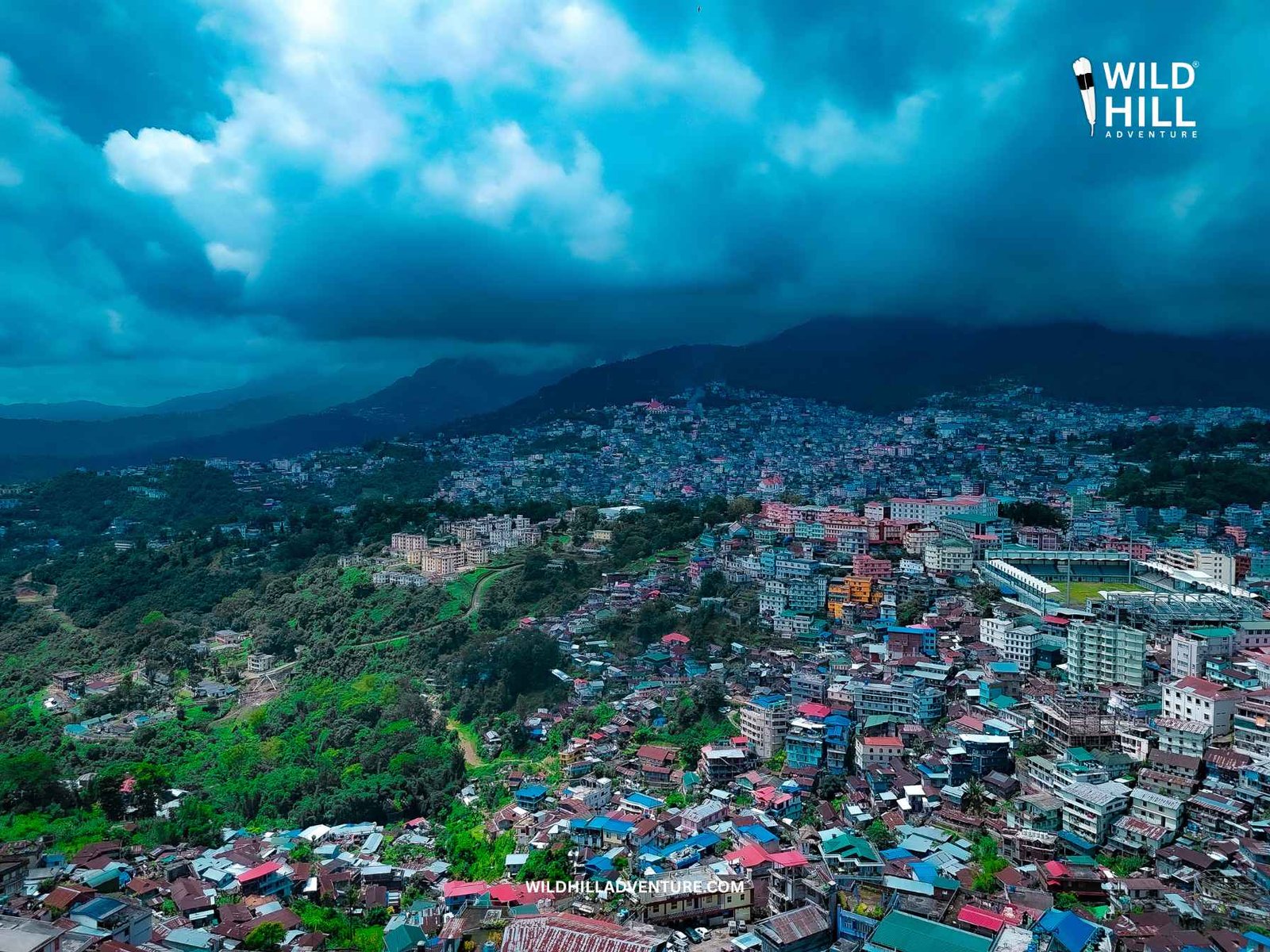
For most first-time travellers, Kohima should be the base for exploring Nagaland.
The capital itself deserves at least a day.
Some important places include:
- Kohima War Cemetery
- Nagaland State Museum
- Kohima Cathedral
- Local markets
- Cafés and restaurants
- Kisama Heritage Village
- Jakhama and Kigwema areas
But Kohima becomes even more interesting because of everything surrounding it.
Within a few hours you can reach Khonoma, Dzüleke, Dzukou Valley and several beautiful Angami villages.
How many days should you keep for Kohima?
Keep at least 2–3 nights around Kohima if you’re visiting for the first time.
If you’re travelling slowly, four or five nights is even better.
2. Khonoma Village
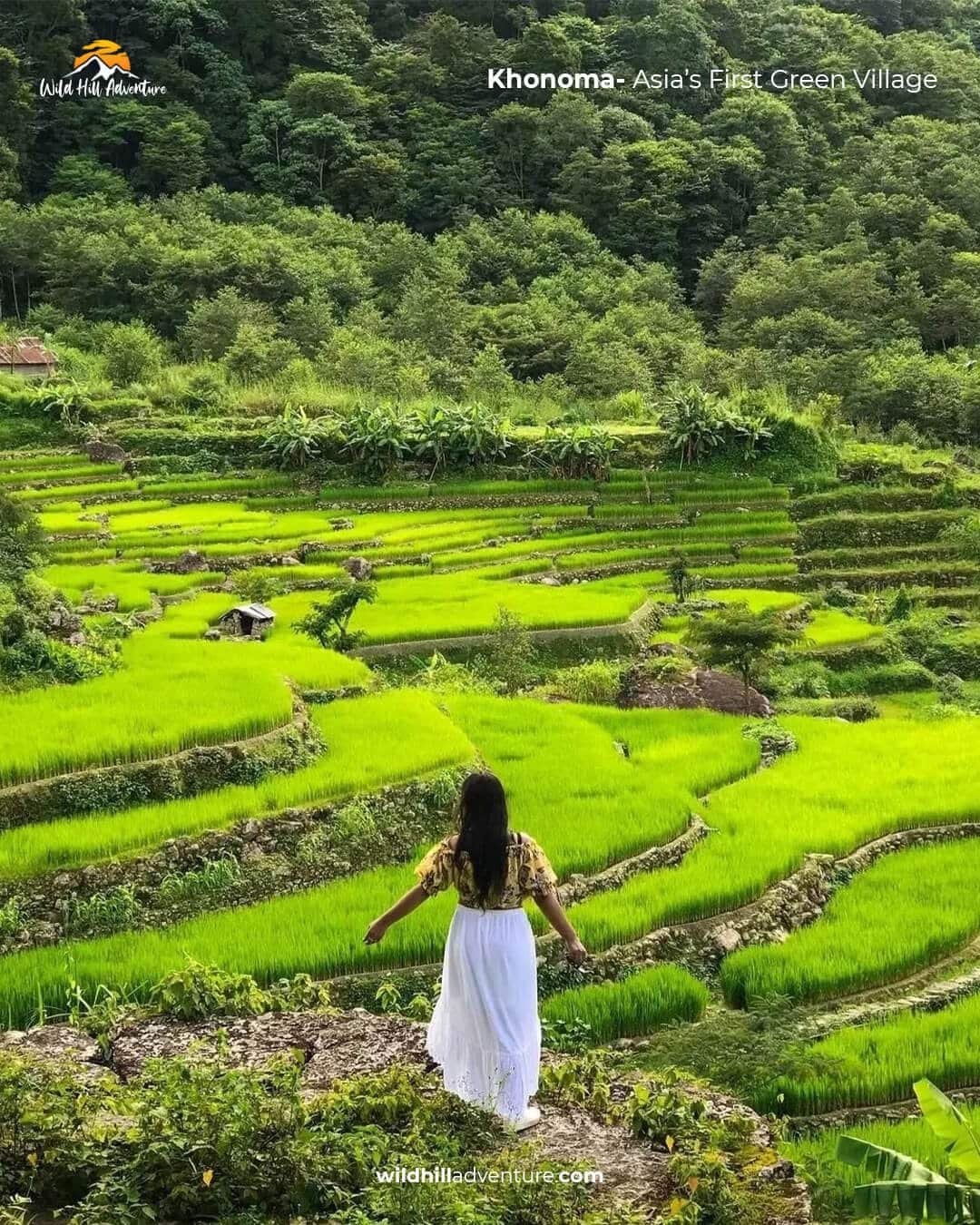
Khonoma is around 20 km from Kohima and is one of the villages we visit most frequently.
It is often promoted as Asia’s first Green Village, but simply arriving, taking a photograph and leaving doesn’t do justice to it.
Walk through the village with a local guide.
You’ll discover old houses, traditional architecture, community spaces, historical sites and viewpoints before gradually understanding why conservation is such an important part of Khonoma’s identity.
Then go down towards the terraced paddy fields.
During the green season, the landscape can look unreal.
What can you do in Khonoma?
A proper village walk generally takes around 2–3 hours. Exploring the paddy fields can take another couple of hours depending on how far you want to walk.
You can also look for locally produced:
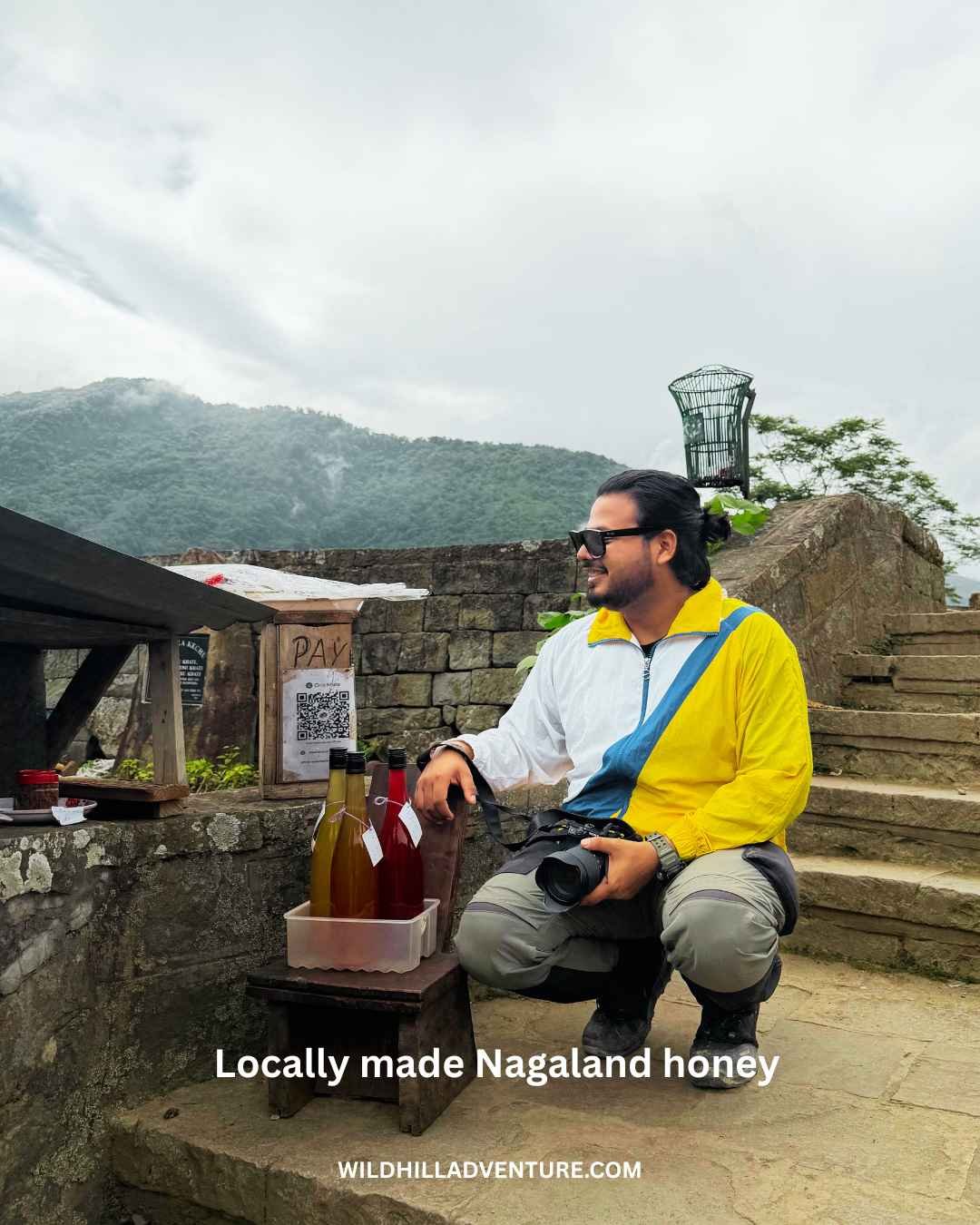
- Honey
- Jewellery
- Traditional clothing
- Shawls
- Curd and lassi
- Local food products
- Handcrafted items
We’ve been here more times than I can count, yet I still enjoy returning.
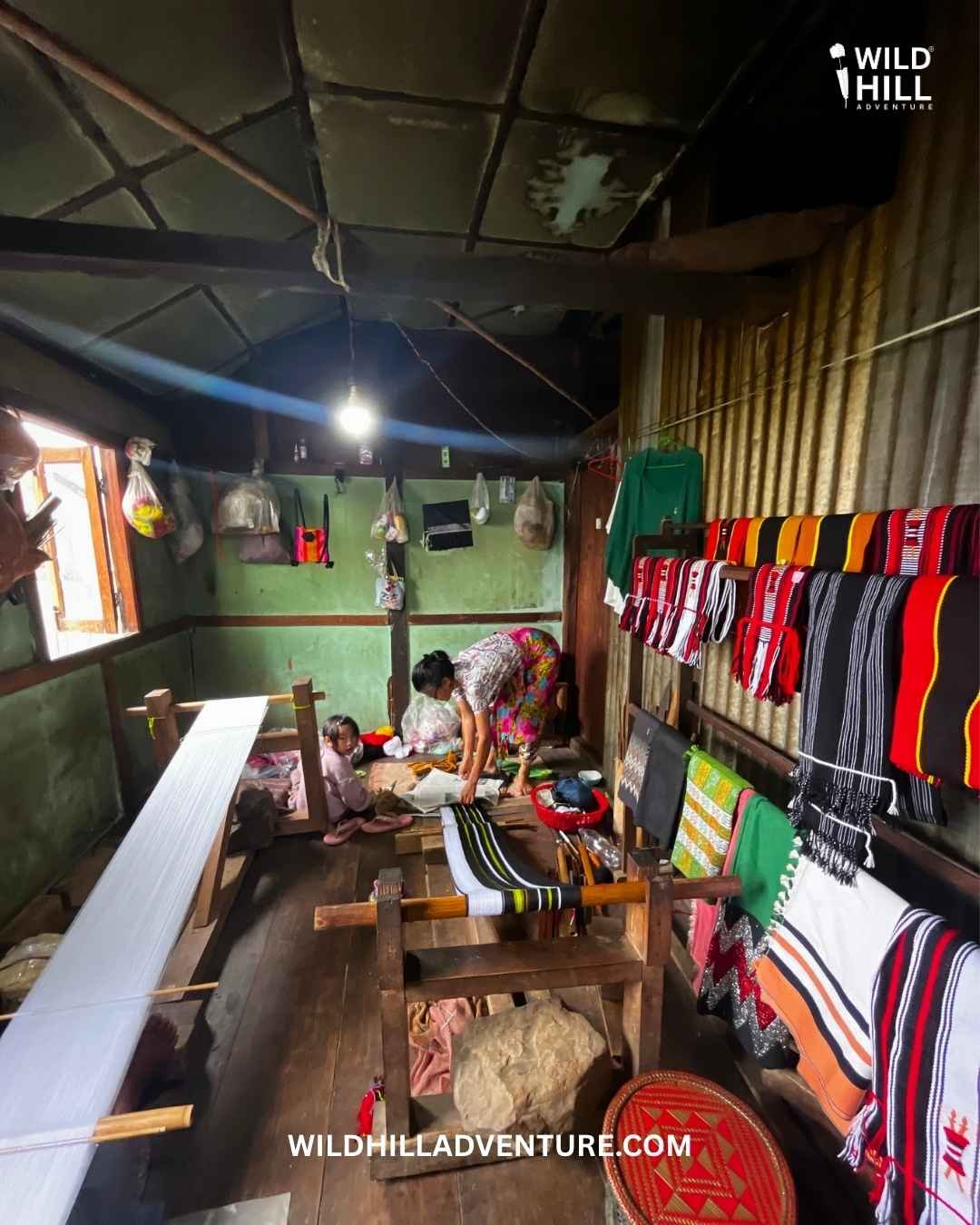
Khonoma can easily be visited as a day trip from Kohima, but staying overnight gives you a much quieter experience.
One thing travellers should understand is village etiquette. Respect local rules, particularly regarding noise at night.
3. Dzüleke Village
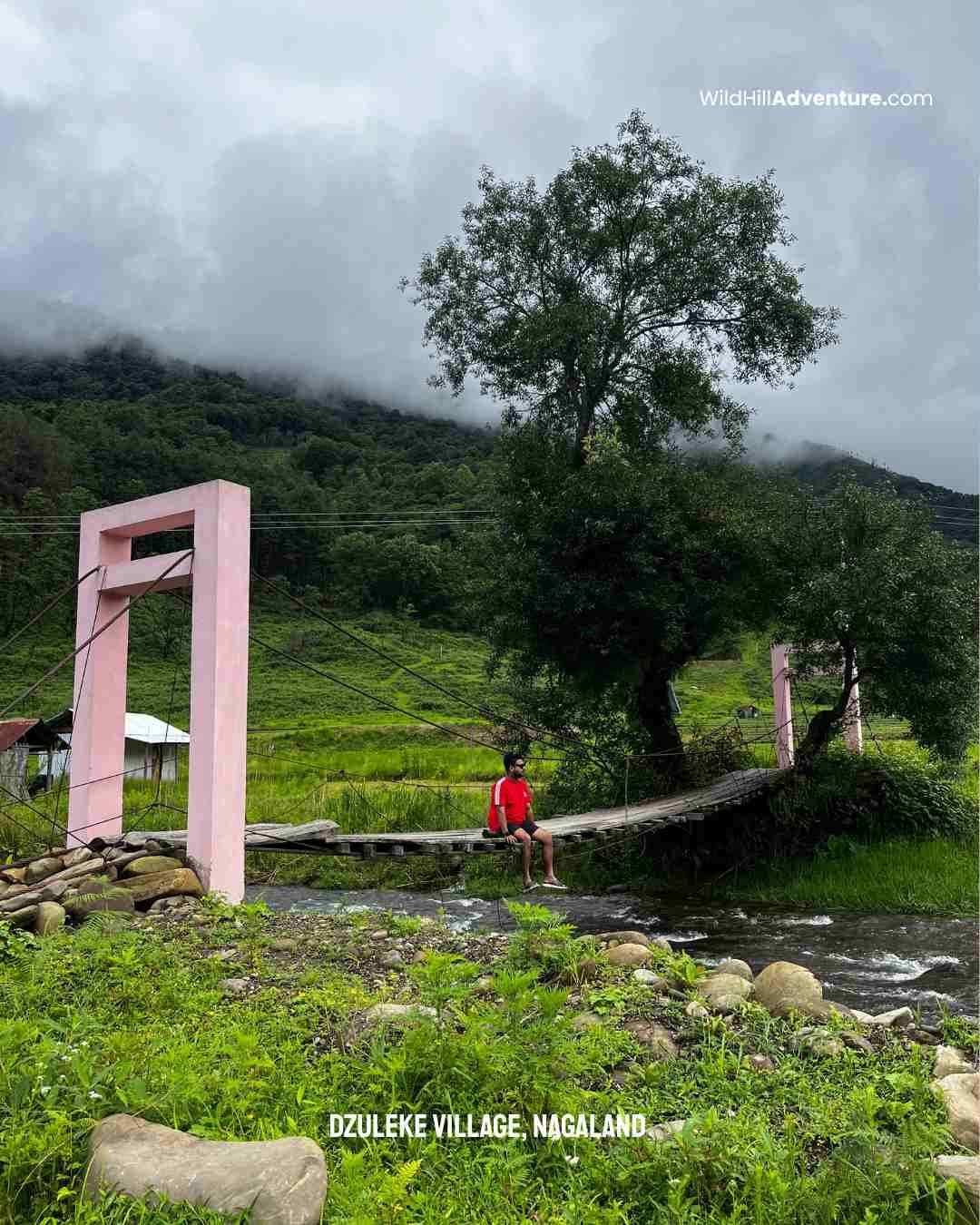
If you ask me for one village where I could disappear for a couple of days, Dzüleke would be high on my list.
Imagine:
A small mountain village.
Rice fields.
A river.
Flowers around simple houses.
Forests in every direction.
And almost no distraction from the outside world.
Network connectivity can be extremely limited, which initially worries some travellers.
Then something interesting happens.
People start talking.
During one of our trips with a large group from Bangalore, the evening turned into hours of ghost stories, jokes, travel stories and random conversations.
Nobody was staring continuously at their phone.
That night reminded me of something very simple:
When the network disappears, human connection often becomes stronger.
Things to do in Dzüleke
Spend your time slowly.
Walk through the village and agricultural areas with a local guide. Sit beside the river. Try home-cooked food.
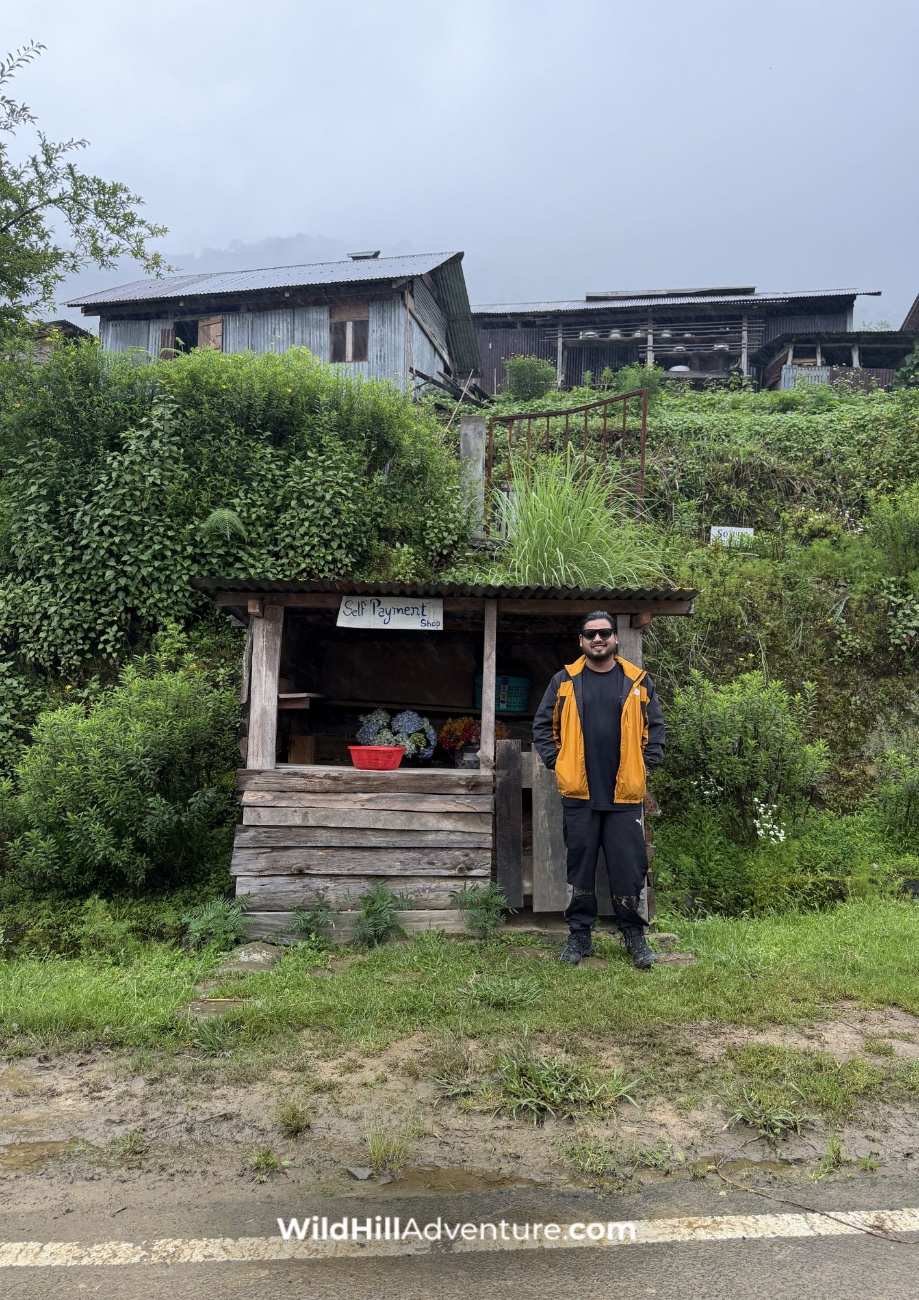
One charming feature you’ll sometimes encounter is small unattended stalls where products are sold through an honesty-based system.
Depending on the season, local products may include honey, fruits and other village produce.
Where to stay
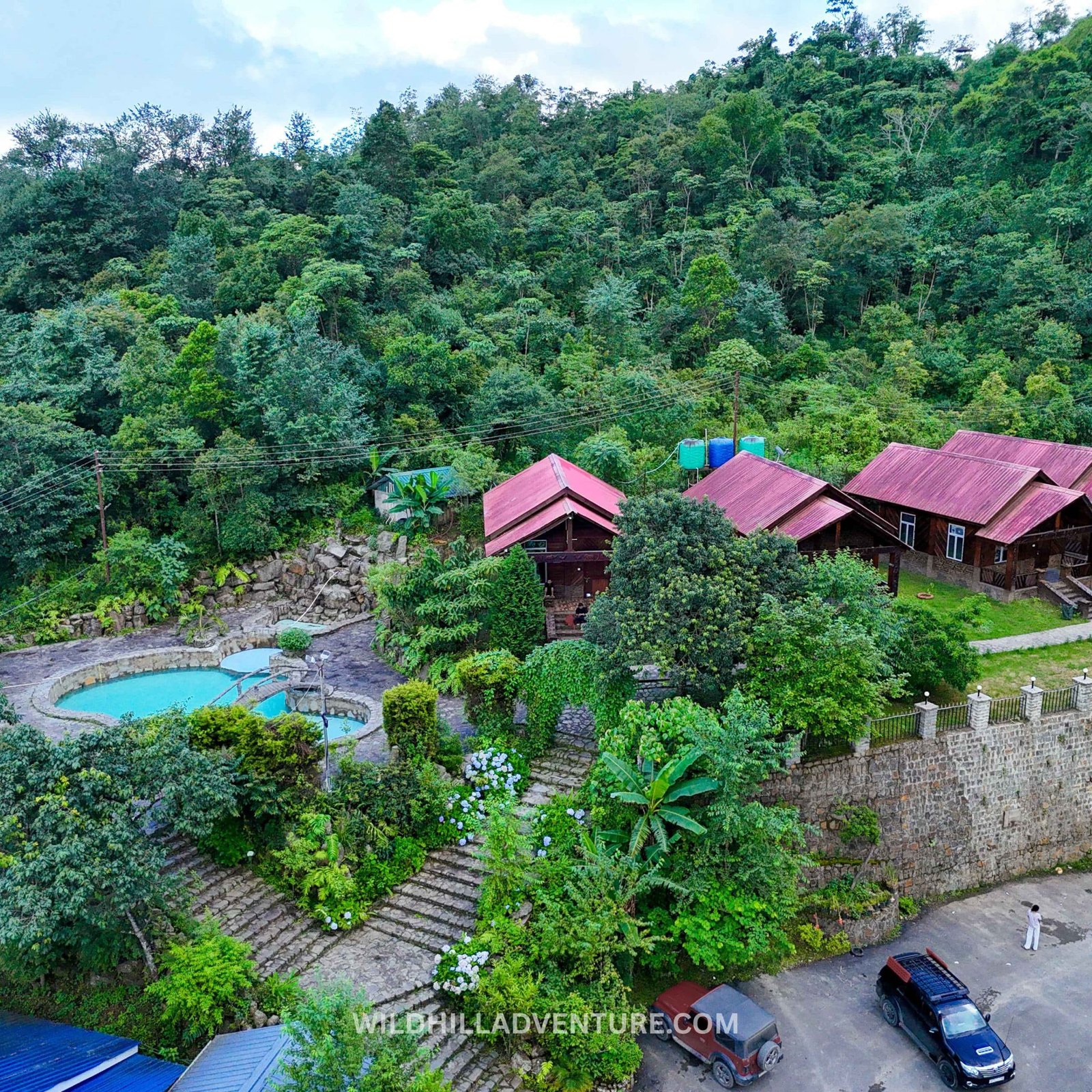
Homestays are available, although facilities are generally simple.
That’s part of the experience.
For travellers looking for more adventure, camping near the river can be beautiful when conditions and local arrangements permit.
A bonfire, grilled food, cold mountain air and stars above the valley can become one of the best nights of your Nagaland trip.
Because connectivity is limited and accommodation inventory is small, arrange your stay before arriving.
4. Dzukou Valley
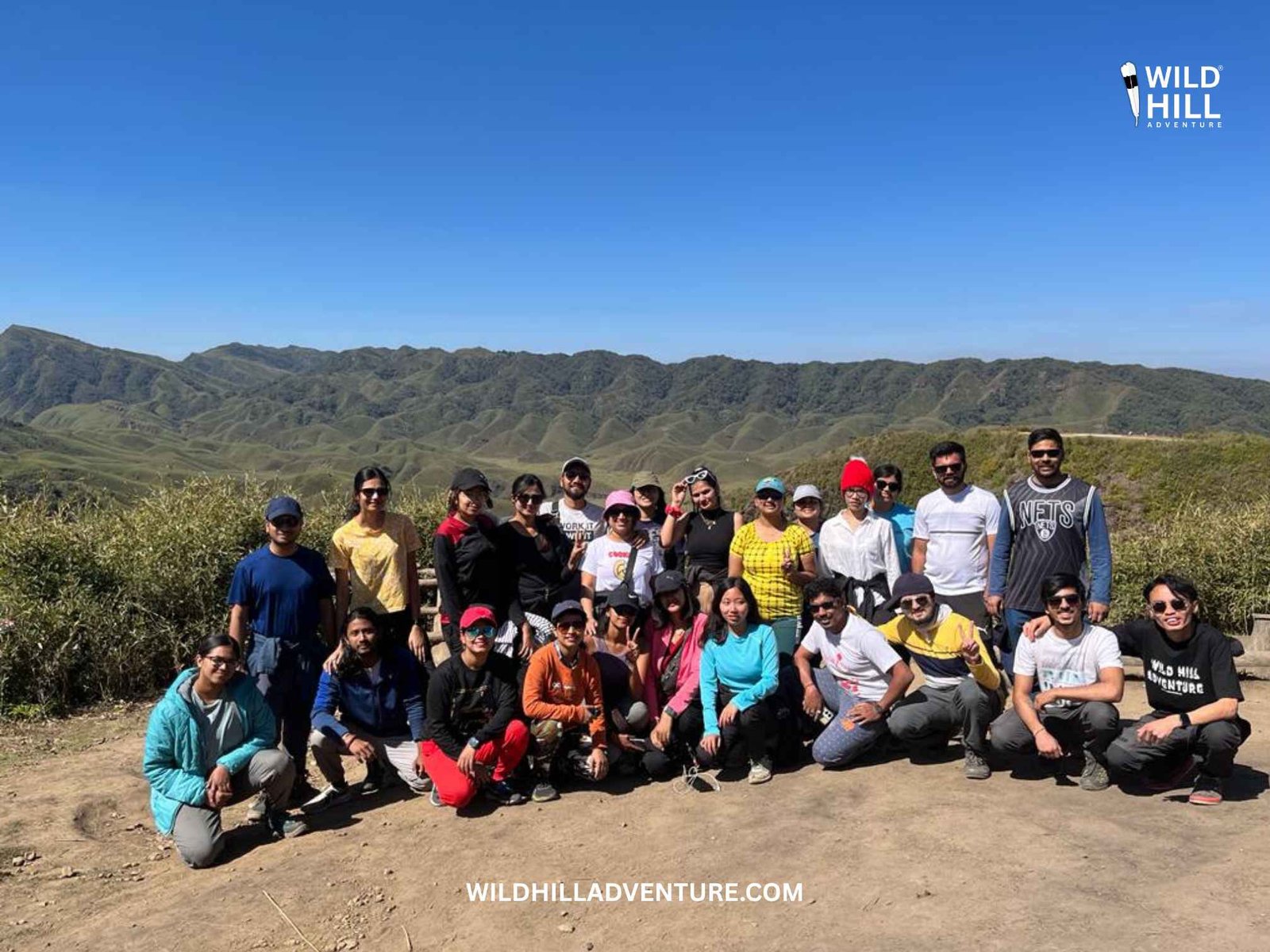
Dzukou isn’t just another trek for us.
Dzukou is an emotion.
Wild Hill Adventure has been operating trips here for around eight years, and over the years we have hosted more than 2,000 travellers in and around the valley.
We previously operated many group departures. More recently, our focus has shifted primarily toward private trips.
Even after all these years, Dzukou remains special.
Routes to Dzukou Valley
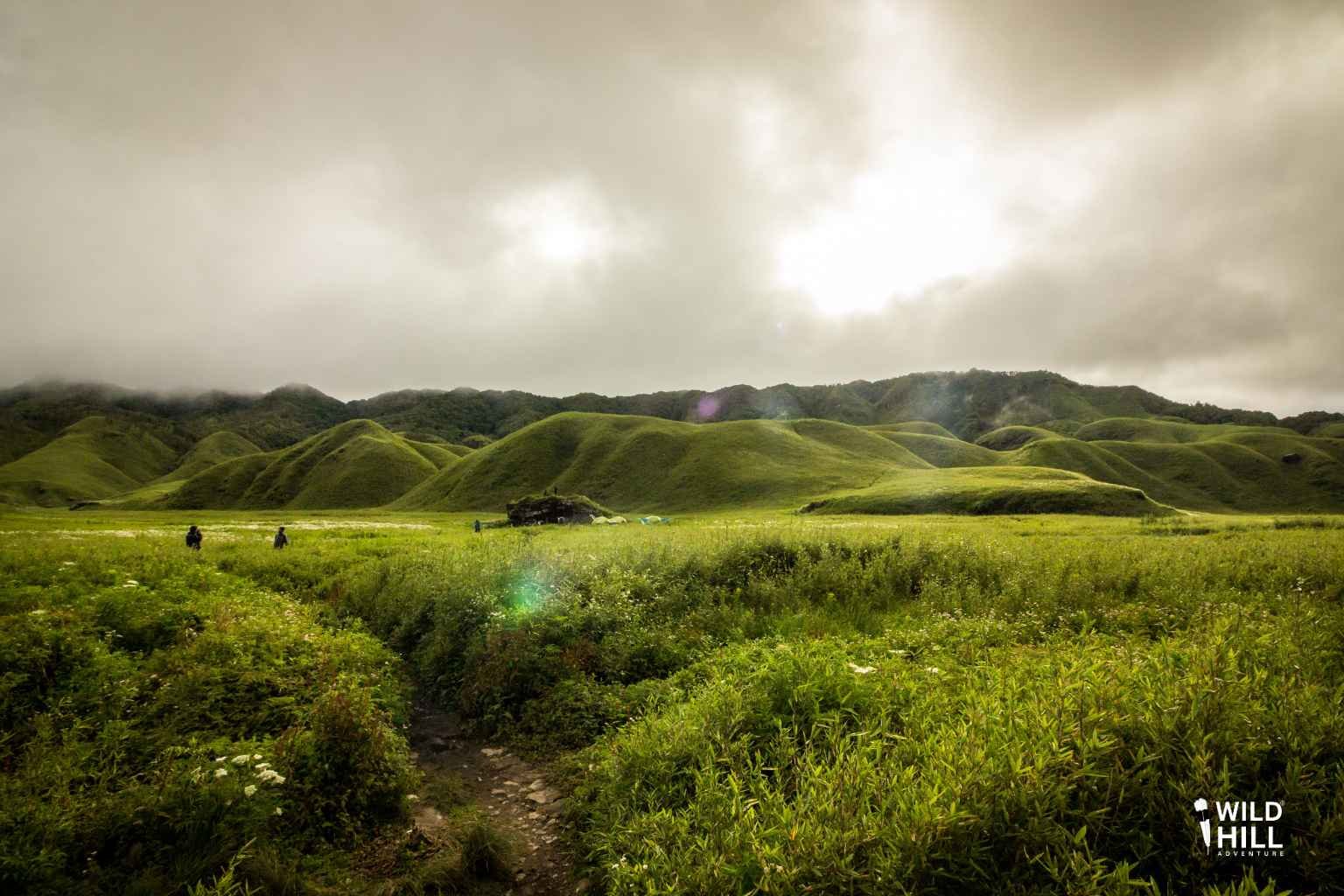
There are two commonly used approaches:
Viswema route: Generally considered the easier but longer approach.
Jakhama route: Shorter in parts but significantly steeper and harder.
Your choice should depend on your fitness, weather and current trail conditions.
I strongly recommend going with a local guide.
Staying in Dzukou
Depending on availability and current arrangements, travellers generally use options such as:
- Camps
- Dormitory-style accommodation
- Basic cottages/shelters
Pre-booking is strongly recommended, especially during busy periods.
For our guests, we normally arrange the trip as a complete experience including transportation, guides, food, camping arrangements and other necessary logistics depending on the package.
But Dzukou isn’t memorable because of logistics.
It’s memorable because of what happens after you arrive.
Sitting outside as darkness falls.
Watching stars appear.
Talking with strangers.
Sharing food.
Waking up surrounded by mountains.
Those are the moments people remember.
5. Kisama Heritage Village
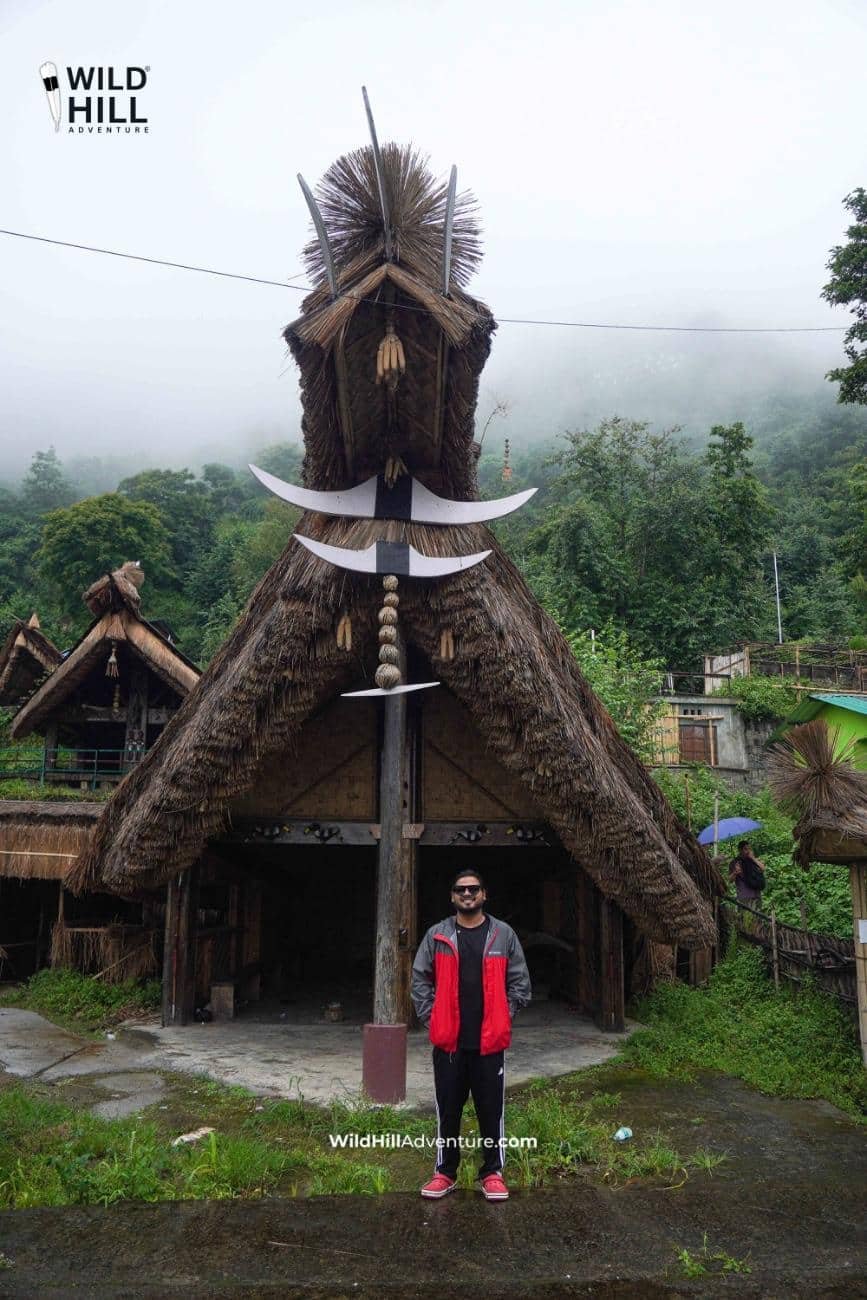
Kisama is around the Kohima area and is best known as the venue of the Hornbill Festival.
If you’re visiting during the festival, Kisama becomes one of the most important stops in Nagaland.
Traditional structures representing different Naga communities are found around the heritage complex.
During Hornbill, the entire area comes alive with cultural performances, food, crafts, music and visitors from across India and abroad.
Outside the festival period, Kisama can still be incorporated into sightseeing around Kohima, though the atmosphere is obviously much quieter.
6. Hornbill Festival
For someone visiting Nagaland for the first time, Hornbill Festival provides one of the easiest introductions to the cultural diversity of the state.


The festival is traditionally held in early December at Kisama Heritage Village.
You can experience cultural performances, traditional attire, indigenous games, food, handicrafts, music and other events.
But I always tell our guests:
Don’t visit Nagaland only for Hornbill.
Use the festival as your starting point.
Spend time at Kisama, but also travel outside the festival grounds to villages like Khonoma and Dzüleke.
That is where you start seeing everyday Nagaland.
7. Pfutsero
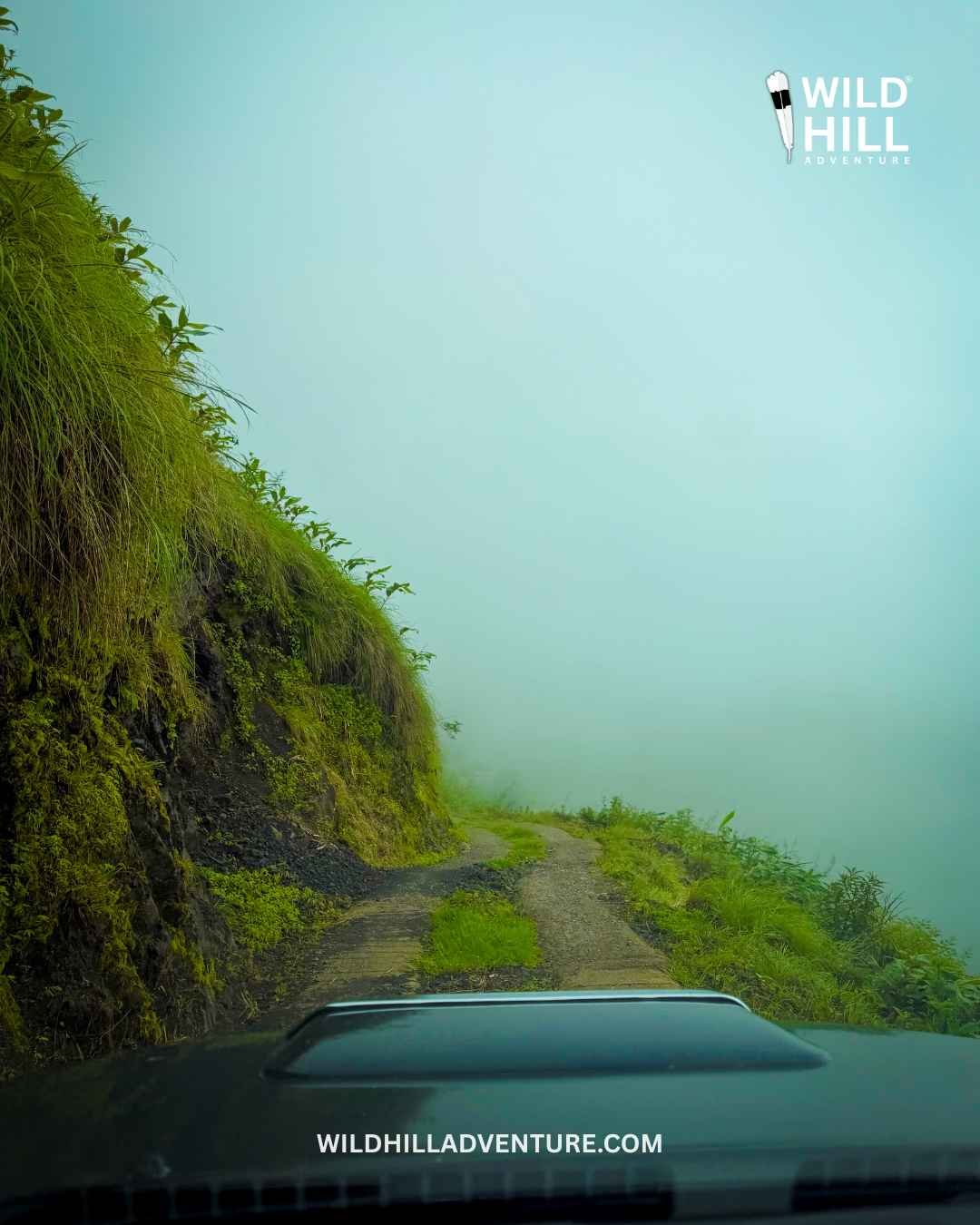
Pfutsero is one of Nagaland’s most beautiful high-altitude towns and one of my favourite drives from the Kohima side.
The landscape changes noticeably as you gain elevation.
Agricultural fields cover the hillsides and the air becomes colder.
Pfutsero is often described as one of the coldest inhabited places in Nagaland.
One of the places you can explore nearby is Glory Peak, which offers beautiful views when the weather cooperates.
On one of our drives back through Pfutsero, we stopped beside cabbage farms and took some locally grown cabbage with us.
Small moments like that are exactly why road trips through Nagaland are so enjoyable.
8. Kapamodzü Peak
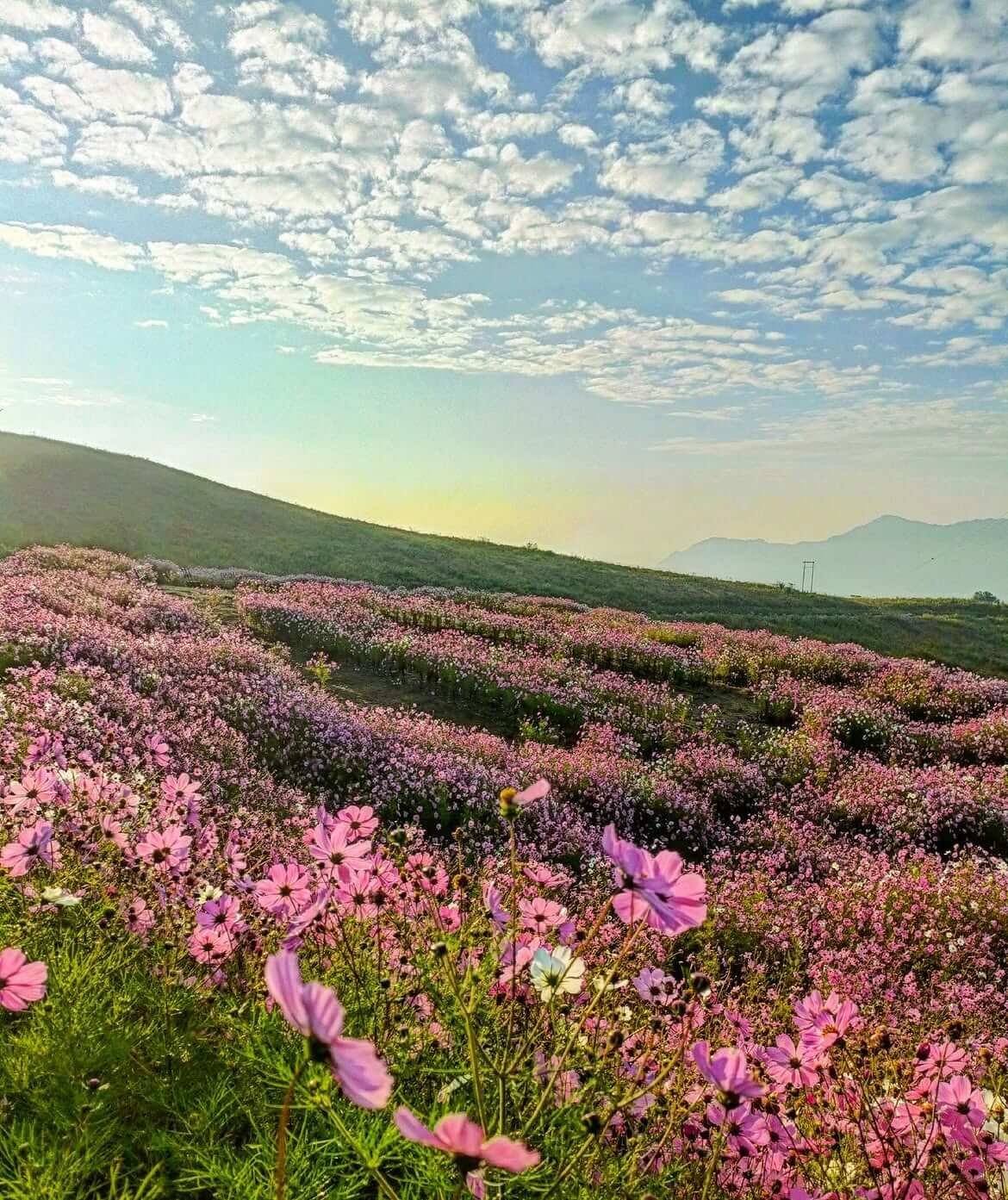
Kapamodzü is one of my favourite lesser-known mountain experiences in Nagaland.
We’ve visited multiple times, but one monsoon trip stands out.
The road was wet, slippery and heavily broken in places, so we travelled with a proper vehicle suitable for the conditions.
By the time we arrived, clouds were moving across the mountains.
From the parking area, reaching the main viewpoint requires only a short walk.
There are basic accommodation options around the area, including tents and cottages depending on availability, but capacity is limited.
Advance arrangements are important.
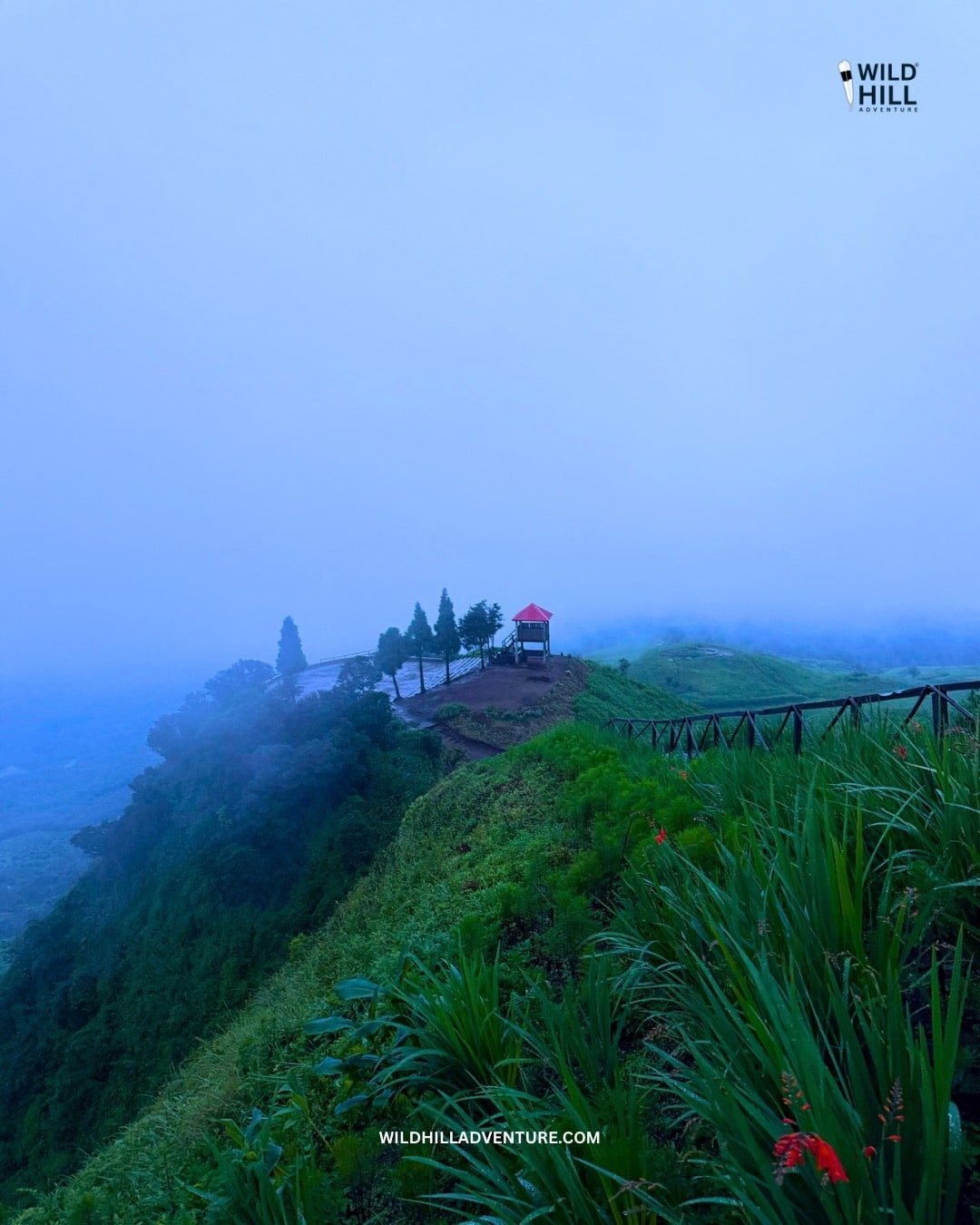
That evening we met some young people, started talking and eventually ended up singing and enjoying the evening together.
Dinner was a proper Naga meal.
Then came the cold.
I woke up three or four times during the night thinking sunrise must be approaching.
Every time I checked, it was still the middle of the night.
I wanted to see clouds floating below the mountains at sunrise.
Morning finally came.
Fog.
Nothing.
That’s travelling.
Sometimes nature refuses to perform for you.
Maybe next time.
9. Mon
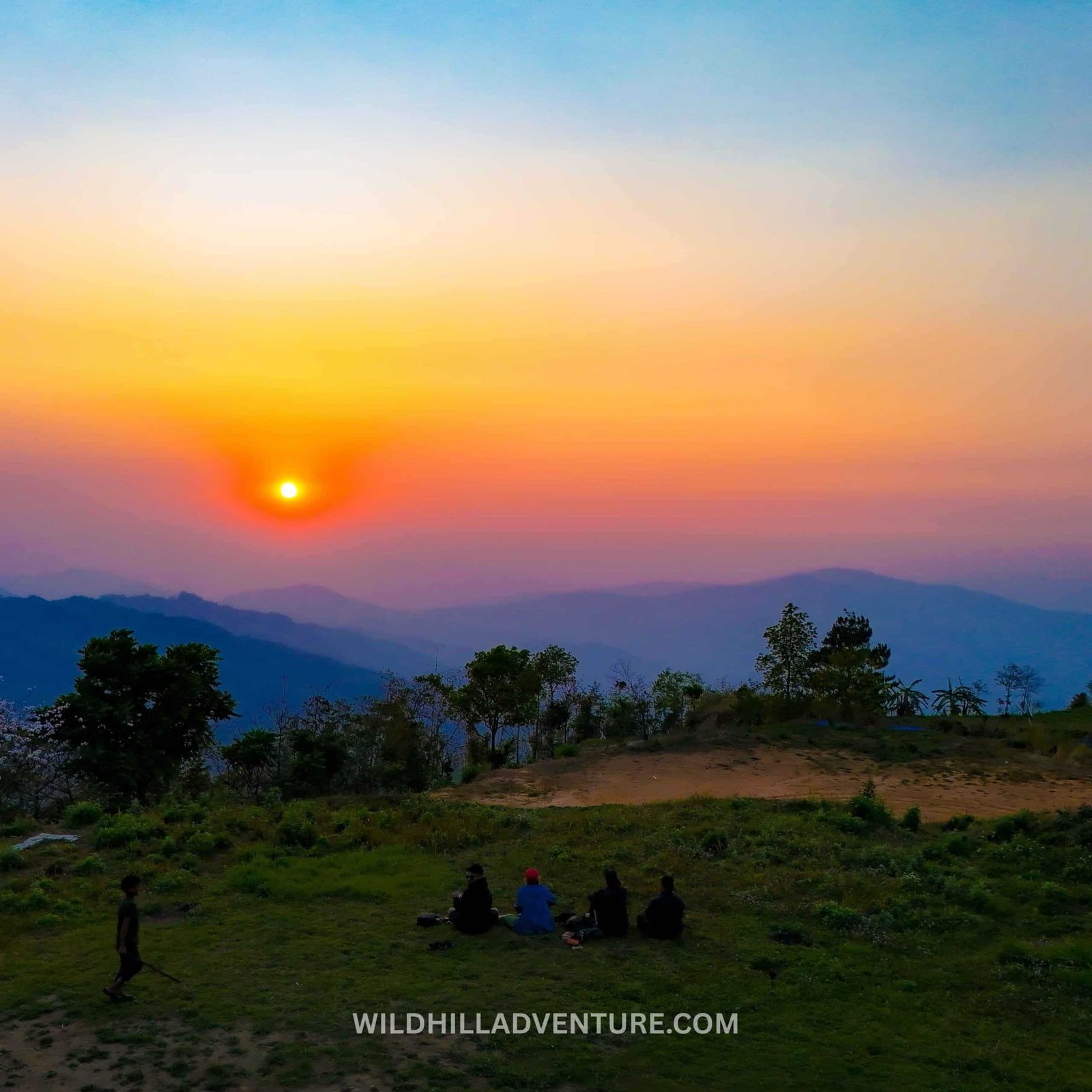
Once you move towards Mon district, Nagaland feels different again.
This is Konyak country.
Mon is generally used as the main base for exploring villages in the district.
Travellers interested in indigenous culture, traditional villages, photography and Northeast India’s borderlands should consider adding Mon to their itinerary.
Don’t try to squeeze it into a short Kohima trip.
Distances and road journeys in Nagaland take time.
Give Mon its own section of your itinerary.
10. Longwa Village
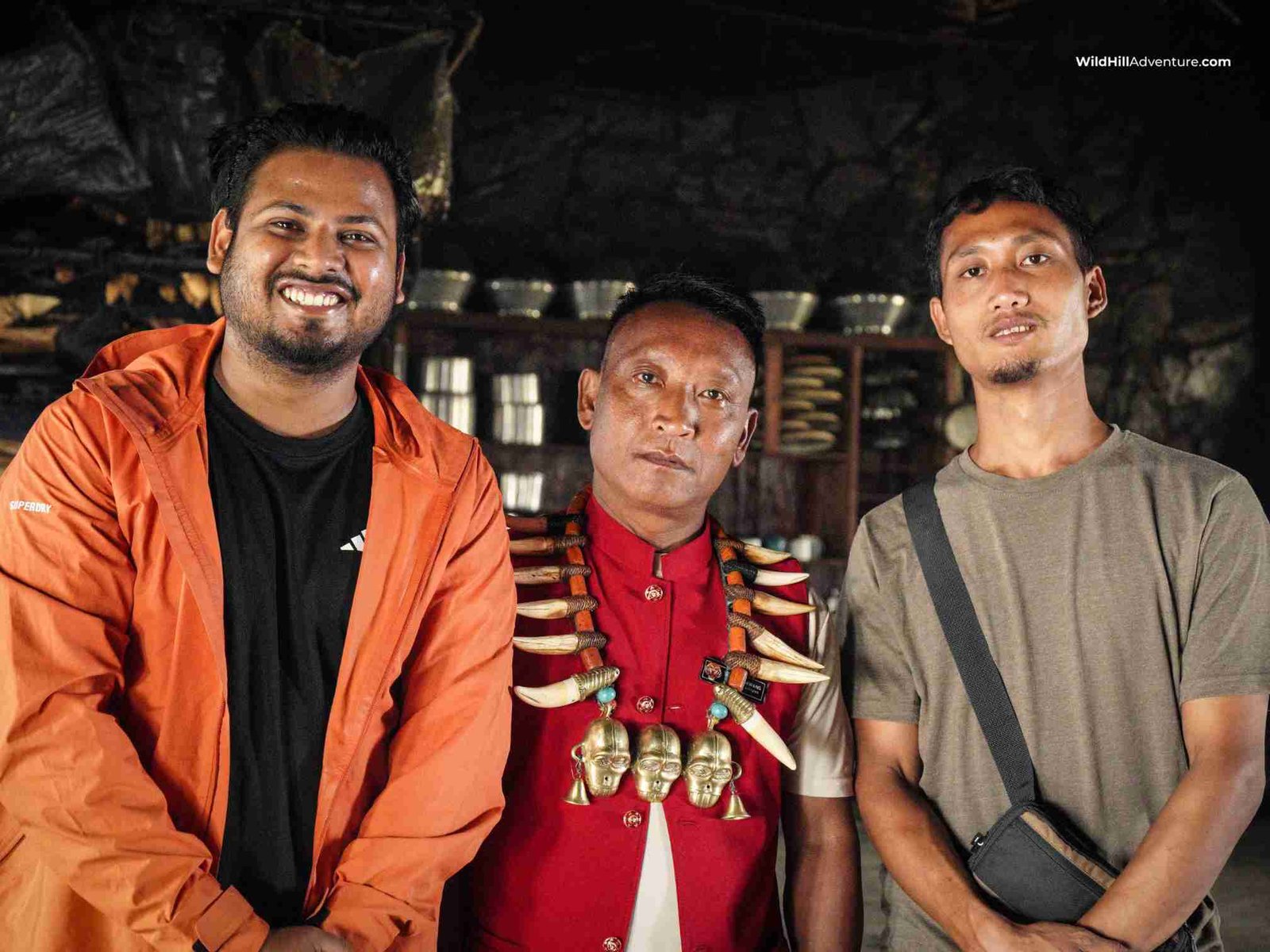
Longwa is probably the most famous village in Mon district.
Its location near the India-Myanmar border and Konyak heritage attract travellers from around the world.
But Longwa shouldn’t be treated simply as an Instagram location.
Spend time talking to local people.
Learn about Konyak history.
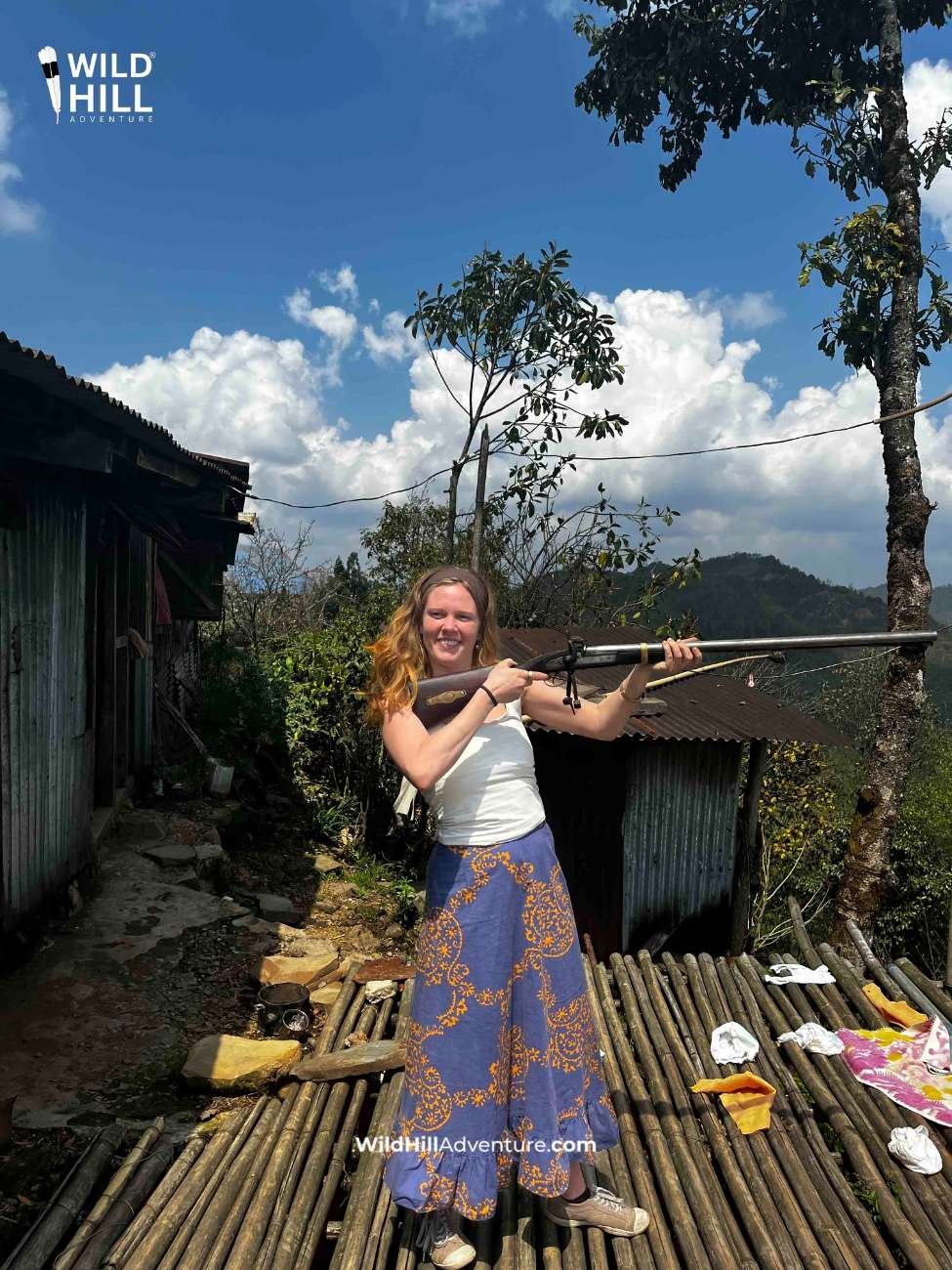
Understand how village life has changed across generations.
When possible, stay rather than rushing back immediately.
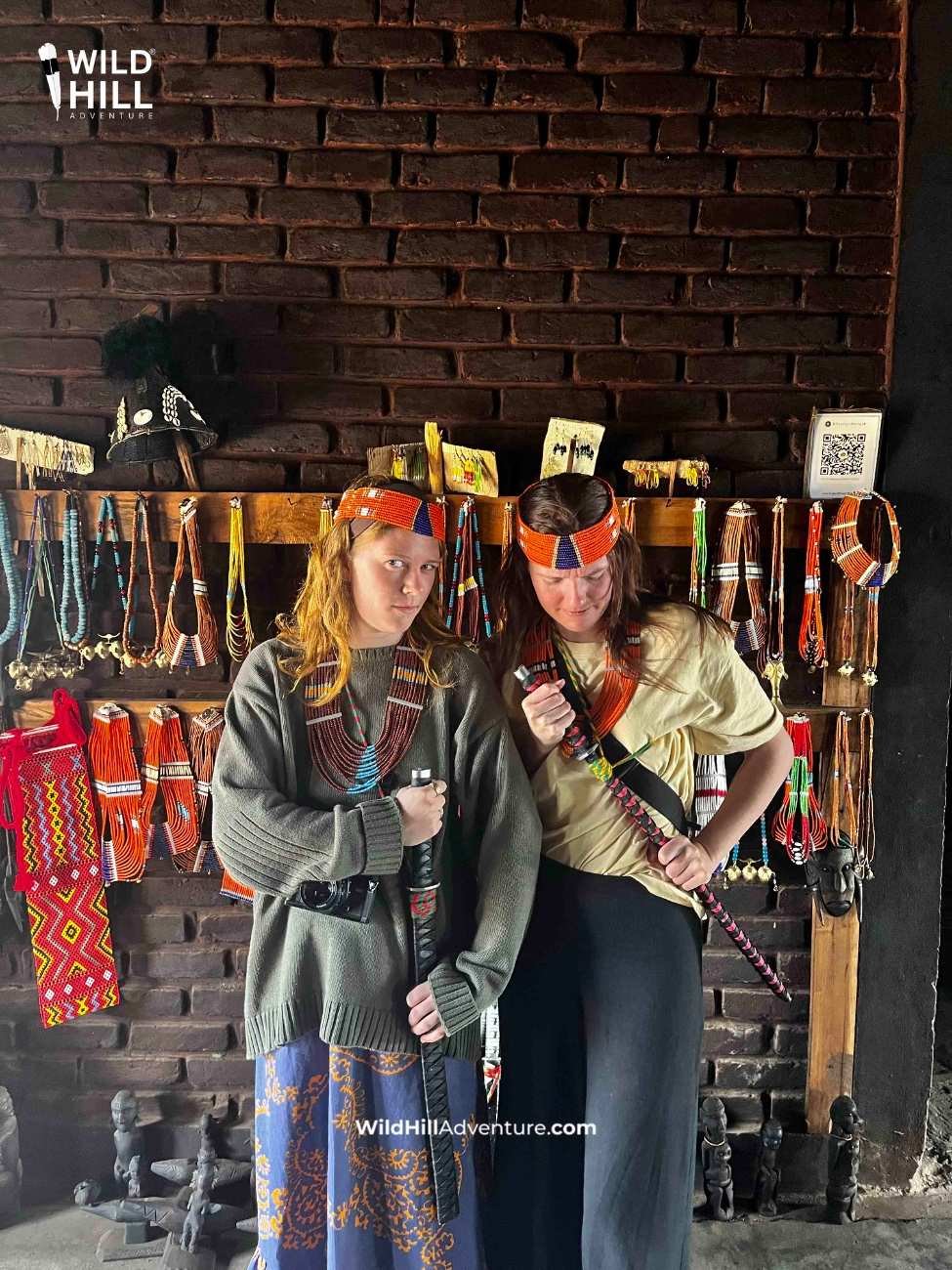
The experience becomes much more meaningful when you stop treating the village as a sightseeing attraction and start treating it as someone’s home.
11. Other Places Worth Exploring in Nagaland
Once you’ve covered the famous destinations, Nagaland becomes even more interesting.
Depending on your time, interests, road conditions and season, consider exploring areas around:
- Jakhama
- Kigwema
- Tuophema
- Mokokchung
- Ungma
- Chuchuyimlang
- Wokha
- Phek
- Shilloi Lake
- Benreu
- Khonoma-Dzüleke belt
- More villages around Mon district
If you have 12–15 days, don’t spend every day driving.
Choose fewer regions and explore them properly.
Best Time to Visit Nagaland
There isn’t one perfect month for everyone.
October to November
One of my favourite periods.
The monsoon has mostly passed, landscapes remain beautiful and the weather becomes pleasant for road trips and village exploration.
December
Come in December if the Hornbill Festival is your priority.
This is also one of the busiest travel periods around Kohima.
Book transportation and accommodation well in advance.
January to March
Good for travellers who prefer cooler, relatively drier weather.
Nights can become very cold in higher areas.
April to May
The landscape begins becoming greener and spring can be beautiful.
June to September
Monsoon Nagaland is spectacular.
Forests turn deep green, clouds move through the valleys and waterfalls appear everywhere.
I personally love the landscape during this period.
But there is a trade-off.
Roads can become muddy or damaged, landslides can affect travel, trekking becomes slippery and itineraries require flexibility.
If you’re comfortable with adventure and changing plans, monsoon Nagaland is beautiful.
How to Reach Nagaland
By Air
Dimapur is the most convenient air gateway for most travellers.
From Dimapur, continue by road towards Kohima or other parts of Nagaland.
By Train
Dimapur Railway Station connects Nagaland with major railway routes in Assam and the rest of India.
Guwahati to Nagaland
Many of our travellers also begin in Guwahati, particularly when combining Nagaland with Kaziranga, Meghalaya or other Northeast destinations.
You can travel by road or first reach Dimapur depending on your itinerary.
Dimapur to Kohima
The drive from Dimapur to Kohima is one of the standard entry routes into the hills.
Travel time varies significantly depending on traffic, road construction, weather and current conditions.
Avoid building a very tight itinerary around Northeast Indian road timings.
A journey that looks short on Google Maps can take much longer in reality.
Nagaland Inner Line Permit
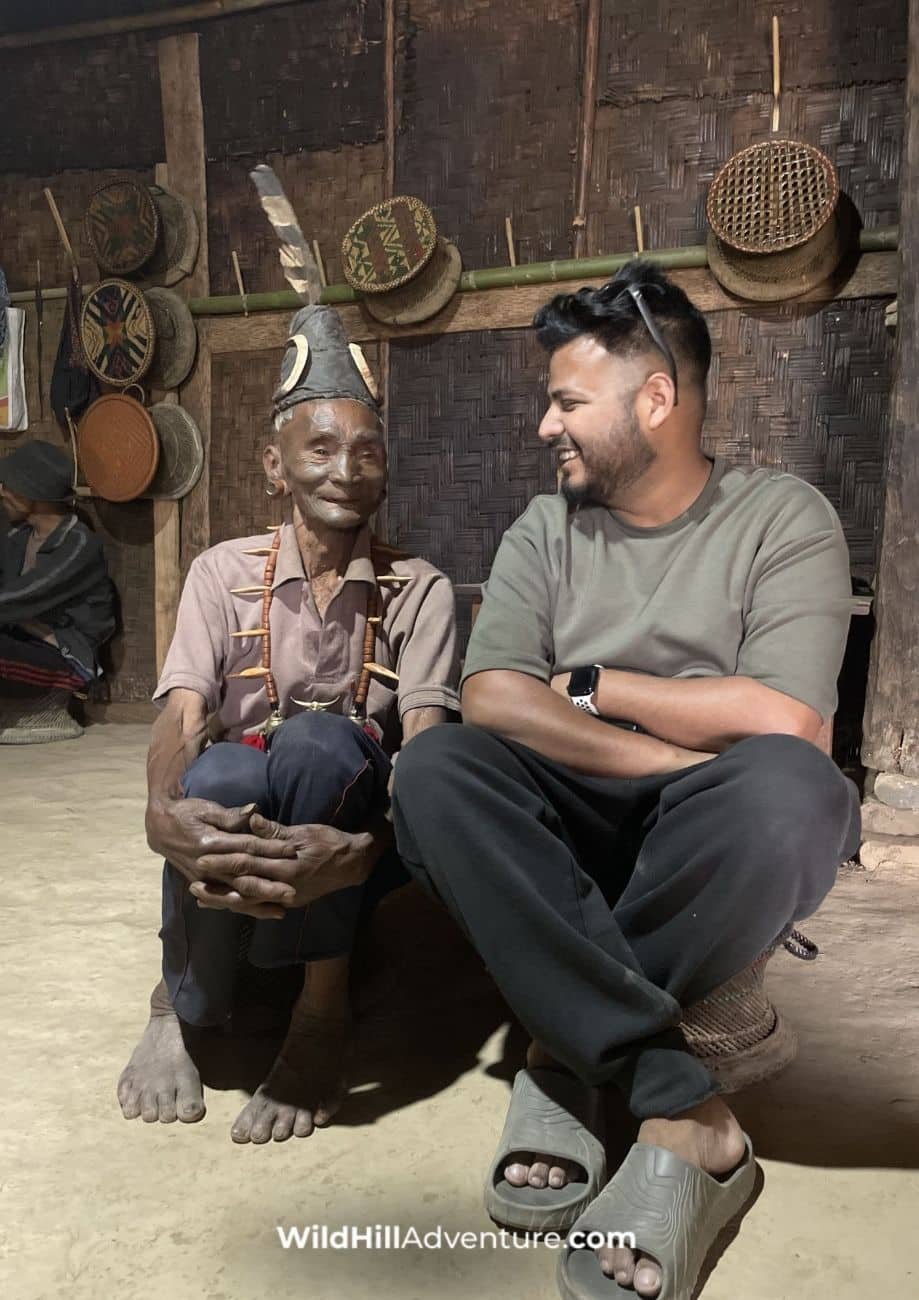
Indian travellers should check the latest Inner Line Permit (ILP) requirements before travelling to Nagaland.
Permit rules and processes can change, so don’t rely on an old blog post alone.
When guests book appropriate Nagaland trips through Wild Hill Adventure, permit assistance can be included depending on the package.
Foreign travellers should separately verify the current entry, registration and protected-area requirements applicable at the time of travel.
Transportation Inside Nagaland
This is one of the most underestimated parts of planning a Nagaland trip.
You aren’t travelling between large cities connected entirely by highways.
Many of the best destinations involve:
- Mountain roads
- Village roads
- Broken sections
- Mud during monsoon
- Steep gradients
- Long distances
- Limited public transportation
For common routes, a regular vehicle may be sufficient.
For remote or difficult routes, particularly during monsoon, choosing the right vehicle becomes important.
We’ve driven some of these roads repeatedly, and conditions can change dramatically between seasons.
Don’t choose your vehicle based only on price.
Choose it based on your route.
Where to Stay in Nagaland
Nagaland offers everything from hotels in larger towns to simple village homestays.
In Kohima you’ll find more conventional accommodation.
In places like Khonoma and Dzüleke, I recommend homestays.
In remote mountain areas, accommodation may be considerably more basic.
That’s not necessarily a disadvantage.
Sometimes waking up in a simple wooden village home, drinking tea and eating breakfast prepared by your host is far more memorable than another standard hotel room.
Just keep expectations realistic.
Contact us
- Phone/WhatsApp: +91 9365476611 +91 91811 29331/+91 91814 99331
- Instagram: @wildhilladventure
- Email: wildhilladventure@gmail.com
- Website: www.wildhilladventure.com
What to Eat in Nagaland
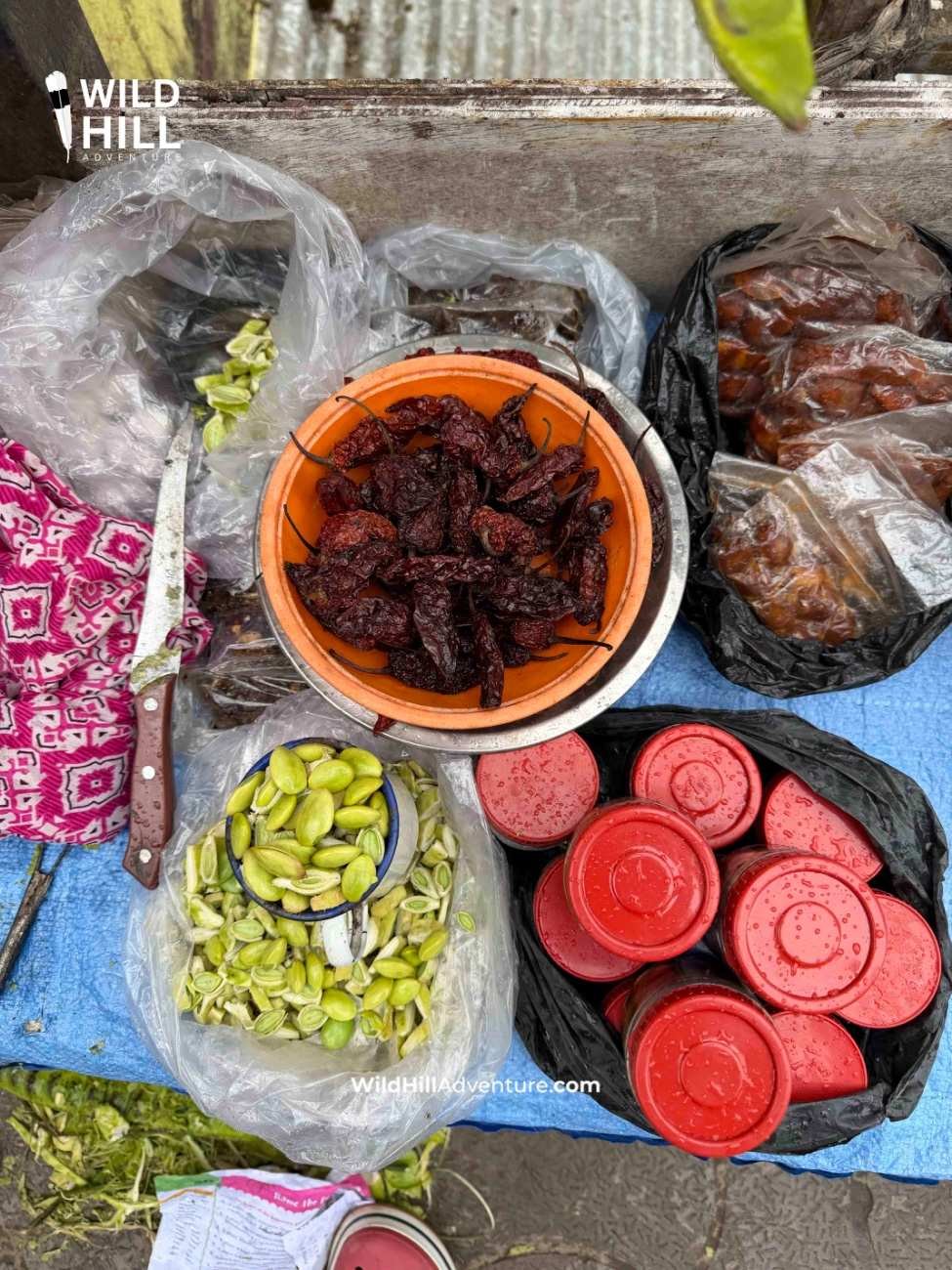
Food should be part of your Nagaland itinerary, not something you deal with between sightseeing stops.
Traditional food varies between Naga communities, so don’t assume there is one single “Naga cuisine.”
Expect combinations involving rice, meat, vegetables, fermented ingredients, bamboo shoot and locally grown herbs and greens.
If you’re unfamiliar with fermented flavours, some dishes can initially feel strong.
Try them anyway.
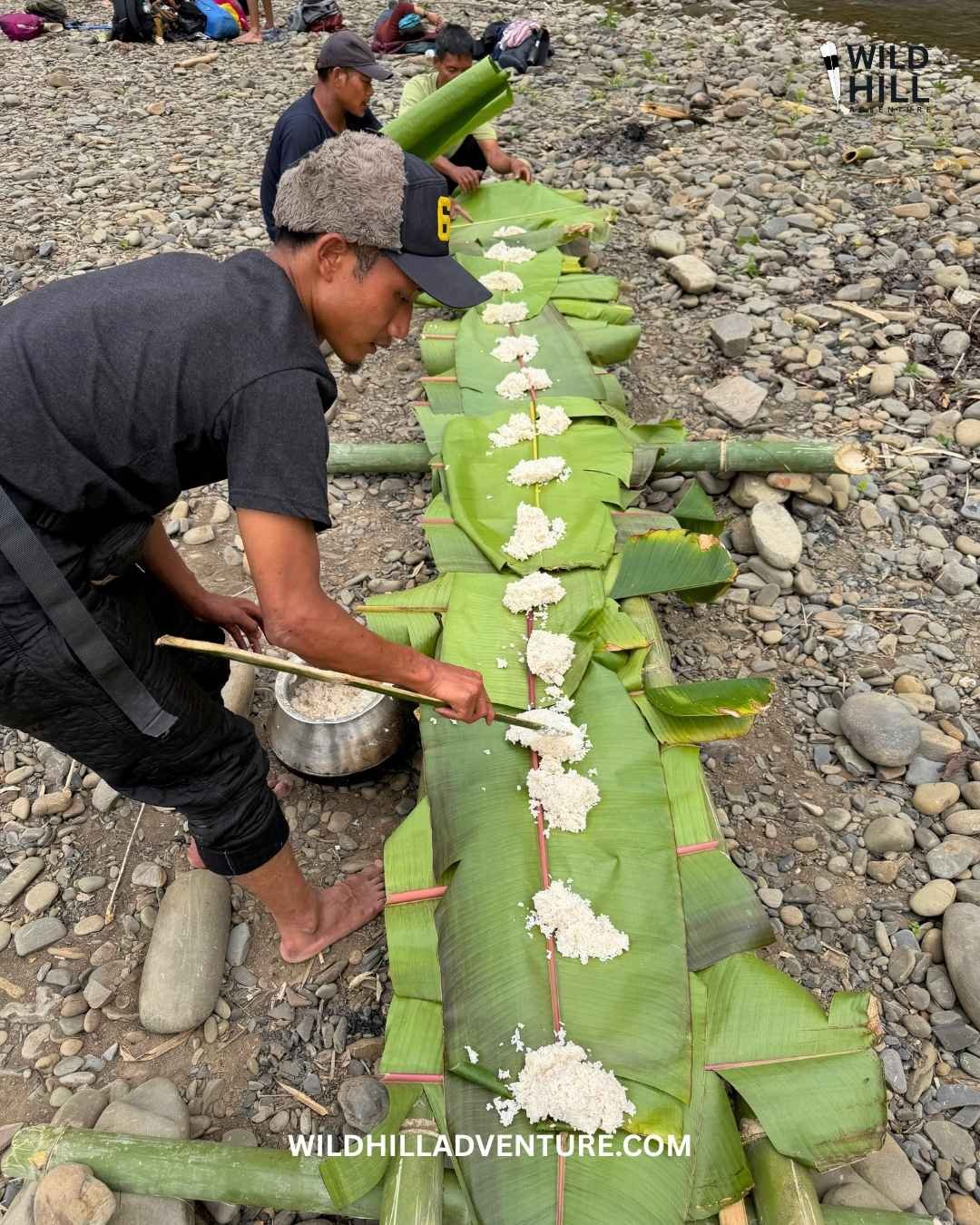
Village homestays are often among the best places to experience simple local cooking because many ingredients are grown nearby.
If you have dietary restrictions, tell your host or tour operator beforehand rather than waiting until dinner is served.
Mobile Network & Internet
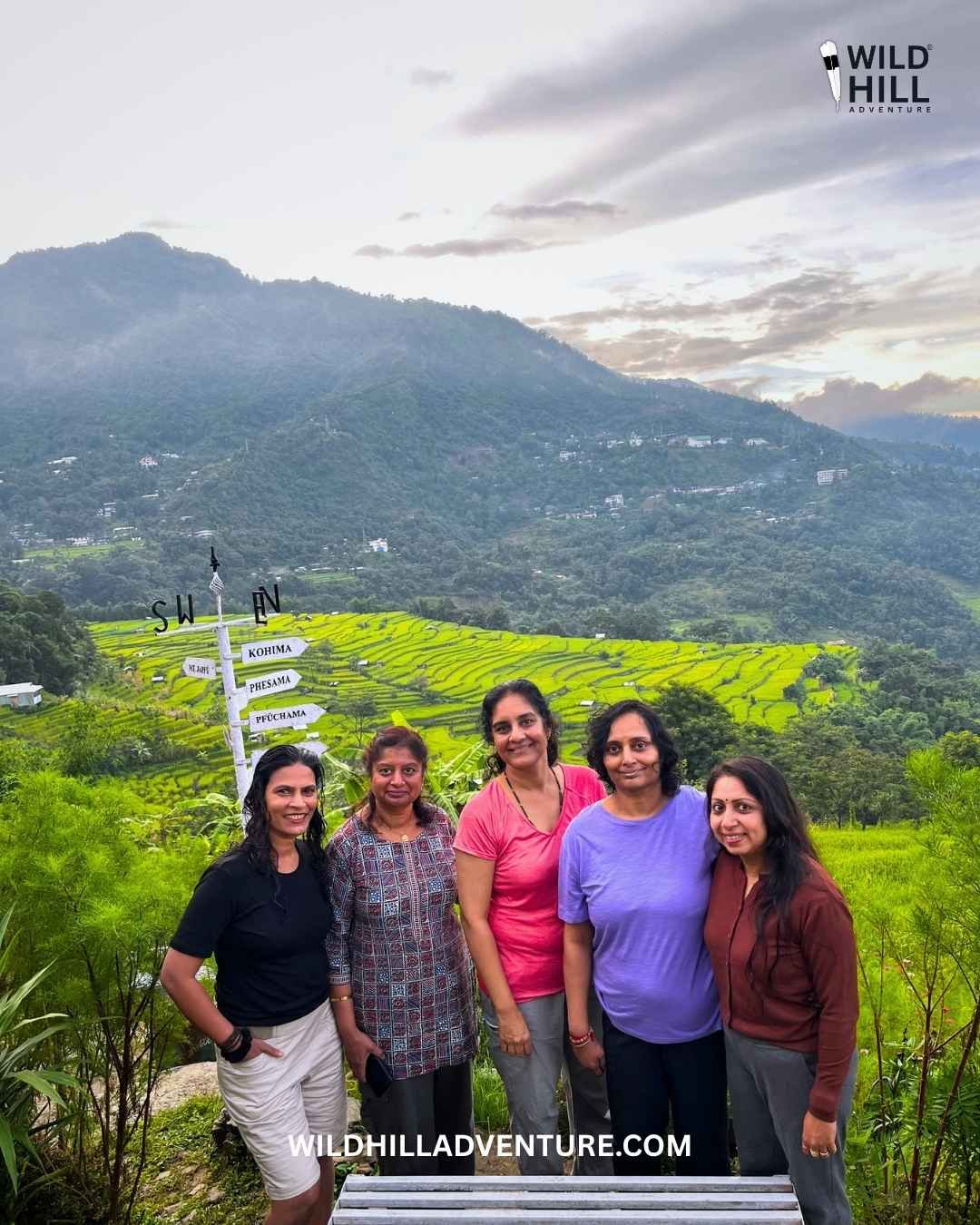
Connectivity varies enormously.
Kohima and Dimapur generally have much better connectivity.
Once you enter remote villages, valleys and mountain regions, the situation can change quickly.
Dzüleke is exactly the kind of place where you shouldn’t plan to spend the evening answering office emails.
And maybe that’s a good thing.
Download important documents, maps and booking details before leaving major towns.
Carry some cash as well.
.
Suggested 7-Day Nagaland Itinerary
A practical first trip could look like this:
Day 1: Dimapur → Kohima
Day 2: Kohima sightseeing + Kisama
Day 3: Khonoma Village
Day 4: Dzüleke Village
Day 5: Dzukou Valley trek
Day 6: Explore Dzukou + return
Day 7: Kohima → Dimapur
Suggested 10-Day Nagaland Itinerary
For a deeper trip:
Day 1: Dimapur → Kohima
Day 2: Kohima sightseeing
Day 3: Khonoma
Day 4: Dzüleke
Day 5: Dzukou Valley
Day 6: Return from Dzukou
Day 7: Pfutsero
Day 8: Kapamodzü exploration
Day 9: Return towards Kohima
Day 10: Dimapur departure
Nagaland During Hornbill Festival
If you’re visiting Nagaland specifically for Hornbill Festival, book early.
December demand around Kohima, Kisama, Jakhama and Kigwema becomes extremely high.
Accommodation that might normally be easy to arrange can fill months in advance.
Transportation demand also increases.
Most importantly, don’t spend every day inside the festival venue.
A good Hornbill itinerary combines:
Festival + villages + food + local experiences + nature.
That gives you a much better understanding of Nagaland.
Nagaland for Photographers
Nagaland is incredible for photography.
But cultural photography requires respect.
Don’t assume that because someone is wearing traditional clothing or lives in a remote village, they automatically want to be photographed.
Ask.
Spend time with people before pointing a camera at them.
Some of my favourite photographs from Nagaland came after conversations, tea and hours spent with people rather than arriving, shooting and leaving.
Responsible Travel in Nagaland
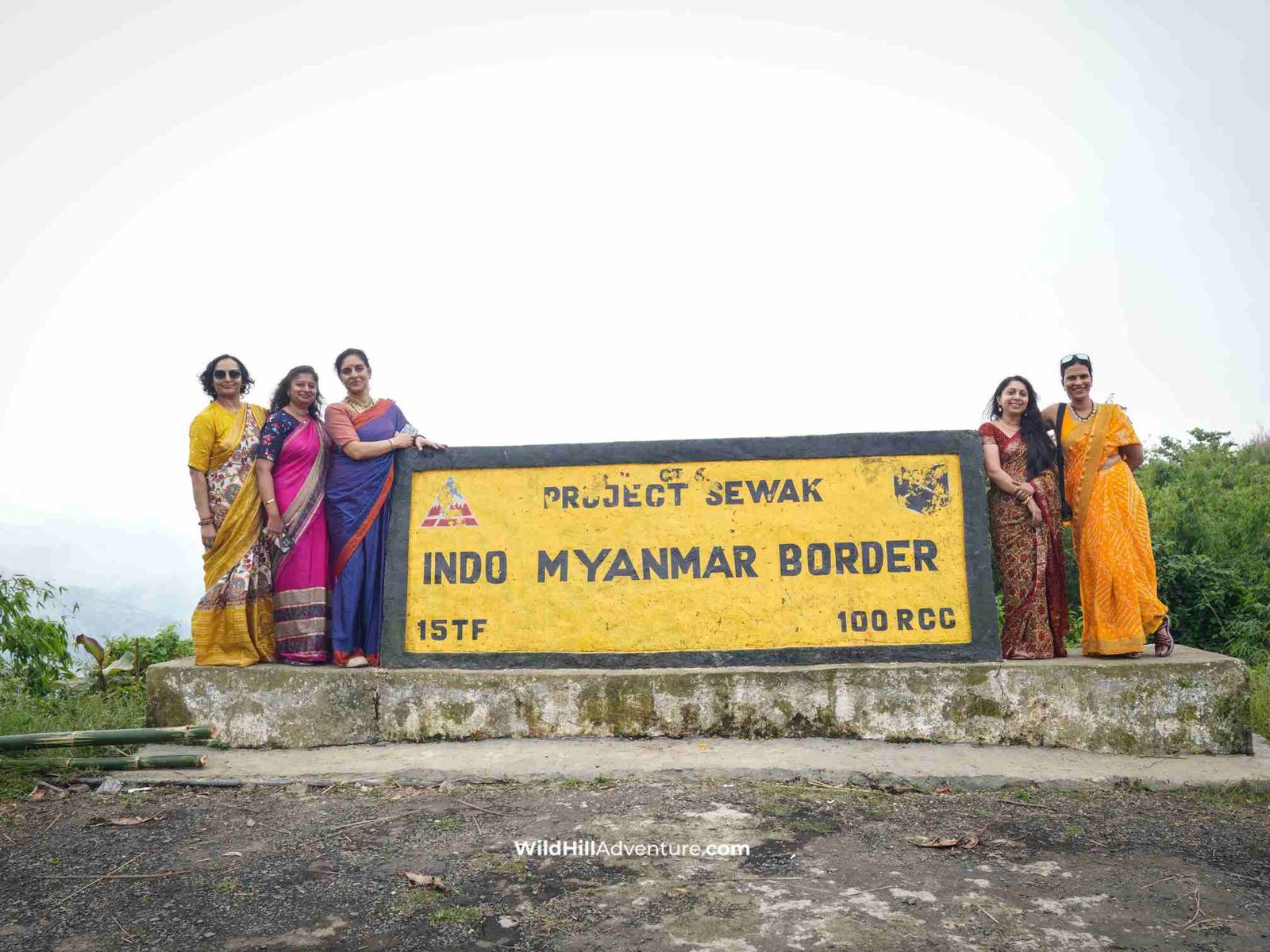
Nagaland’s villages aren’t theme parks.
People live there.
That sounds obvious, but tourism sometimes makes travellers forget it.
Respect village rules.
Don’t create excessive noise.
Don’t fly drones without checking local restrictions and obtaining appropriate permission.
Don’t enter private properties without permission.
Don’t photograph people without consent.
Support local guides, homestays, shops and producers.
And don’t leave plastic behind in mountains and villages.
A destination remains beautiful only when travellers help keep it that way.
Things I Recommend Carrying
Your packing list will depend on the season, but generally consider carrying:
- Good walking shoes
- Light rain protection
- Warm layer
- Small backpack
- Power bank
- Cash
- Reusable water bottle
- Basic medicines
- Sunscreen
- Insect repellent
- Torch/headlamp
- Offline maps
- Copies of identification and permits
For Dzukou and other trekking routes, pack specifically for the trek and current weather rather than relying on a generic Nagaland packing list.
One Important Nagaland Travel Tip
Don’t over-plan every hour.
Nagaland rewards flexibility.
Maybe someone invites you home for tea.
Maybe clouds suddenly cover the mountains.
Maybe a road takes two hours longer than expected.
Maybe you discover a village you had never heard about.
Some of my favourite experiences here were never part of the itinerary.
That’s why I still enjoy travelling through Nagaland after so many trips.
Why Travel Nagaland With Wild Hill Adventure?
Wild Hill Adventure is based in Northeast India, and Nagaland isn’t simply another destination on our website.
We’ve spent years travelling these roads, working with local communities, guides, homestays and ground teams.
We’ve operated Dzukou trips for around eight years and hosted more than 2,000+ travellers around the Dzukou experience alone.
Our trips can cover much more than a vehicle and hotel.
Depending on the itinerary, we help coordinate transportation, local guides, permits, village stays, trekking, camping, food and remote-area logistics.
More importantly, we know that the best Nagaland experiences aren’t always the famous ones.
Sometimes it is the unplanned village stop.
Sometimes it’s dinner with a local family.
Sometimes it’s sitting beside a river without internet.
Sometimes it’s driving through clouds to a place you’ve never heard of.
That’s the Nagaland we want our guests to experience.
Top 20 FAQs About Nagaland Travel
1. What is the best time to visit Nagaland?
The best time to visit Nagaland is generally October to May. October and November offer pleasant weather and beautiful landscapes, while December is especially popular because of the Hornbill Festival. January to March is cooler and relatively dry. Monsoon from June to September makes Nagaland incredibly green, but landslides, rain and difficult road conditions can affect travel.
2. How many days are enough for a Nagaland trip?
For a first trip, 7 to 10 days is ideal. This gives you enough time to explore Kohima, Khonoma, Dzüleke, Kisama and Dzukou Valley without rushing. If you also want to explore Mon, Longwa and the Konyak region, plan around 10 to 14 days.
3. What are the best places to visit in Nagaland?
Some of the best places to visit in Nagaland include Kohima, Dzukou Valley, Khonoma Village, Dzüleke, Kisama Heritage Village, Pfutsero, Kapamodzü Peak, Mon and Longwa Village. Travellers with more time can also explore Mokokchung, Wokha, Phek and other lesser-known villages.
4. Do Indians need a permit to visit Nagaland?
Indian tourists generally need an Inner Line Permit (ILP) to visit Nagaland. Permit rules and application procedures can change, so travellers should check the latest official requirements before their trip. If travelling through another state such as Manipur on a particular route, check that state’s permit requirements separately as well.
5. Do foreigners need a permit to visit Nagaland?
Foreign travellers should check the latest government regulations before travelling because registration and entry requirements can change. This is particularly important when travelling towards remote areas and international border regions.
6. How can I reach Nagaland?
Dimapur is the main gateway to Nagaland and has both an airport and railway station. From Dimapur, travellers can continue by road to Kohima and other destinations. Guwahati is another convenient starting point, especially if you are combining Nagaland with Assam or Meghalaya.
7. How far is Kohima from Dimapur?
Kohima is roughly 70 km from Dimapur by road. Travel time can vary considerably depending on traffic, construction, weather and road conditions, so avoid planning tight connections on your arrival or departure day.
8. Is Nagaland safe for tourists?
Nagaland is generally visited by solo travellers, couples, families, photographers and international tourists. As with any destination, travellers should respect local customs, follow current travel advisories, avoid restricted areas and take local advice when visiting remote villages or border regions.
9. Is Nagaland good for solo travel?
Yes. Nagaland can be an excellent destination for solo travellers, especially those interested in culture, trekking, photography and village experiences. However, transportation to remote destinations can become expensive when travelling alone, so planning transfers and local guides beforehand helps.
10. Is Nagaland expensive to travel?
Nagaland can be travelled on different budgets, but remote travel can cost more than expected because transportation is one of the biggest expenses. Homestays can be affordable, while private vehicles, guides, trekking arrangements and remote-area logistics increase the overall trip cost.
11. When is the Hornbill Festival held in Nagaland?
The Hornbill Festival is traditionally held from 1 to 10 December at Kisama Heritage Village near Kohima. It is one of Nagaland’s busiest tourism periods, so accommodation and transportation should be booked well in advance. Travellers should confirm the official dates and programme for their specific travel year.
12. How many days should I spend at the Hornbill Festival?
For most travellers, two full days at the Hornbill Festival provide a good experience. Instead of spending the entire trip at Kisama, combine the festival with Khonoma, Dzüleke, Kohima and, if you enjoy trekking, Dzukou Valley.
13. Is Dzukou Valley worth visiting?
Yes. Dzukou Valley is one of Nagaland’s most spectacular natural destinations and is especially recommended for trekkers, photographers and nature lovers. The experience includes mountain landscapes, trekking, camping or basic accommodation, sunsets, sunrises and stargazing when weather conditions are favourable.
14. Do I need a guide for the Dzukou Valley trek?
A local guide is strongly recommended, particularly for first-time visitors. Weather can change quickly and trail conditions can become difficult during rain. A guide also makes transportation, entry formalities, accommodation, food and other trekking logistics much easier to coordinate.
15. Which Dzukou Valley route is better, Viswema or Jakhama?
The Viswema route is generally considered easier but longer, while the Jakhama route is steeper and more physically demanding. The better route depends on your fitness, weather and current trail conditions. Local advice should be taken before beginning the trek.
16. Is Khonoma Village worth visiting?
Absolutely. Khonoma is one of the best villages to visit near Kohima and is widely known for its conservation efforts, traditional Angami culture and spectacular terraced fields. A guided village walk combined with the paddy fields makes an excellent day trip, although an overnight stay offers a more immersive experience.
17. Is Dzüleke worth staying overnight?
Yes, particularly if you enjoy quiet villages and slow travel. Dzüleke offers forests, a river, agricultural landscapes, simple homestays and very limited connectivity. Staying overnight allows you to experience the peaceful atmosphere that most day visitors miss.
18. What food should I try in Nagaland?
Try traditional Naga thalis, smoked meat preparations, bamboo shoot dishes, fermented ingredients, locally grown vegetables, rice and seasonal village food. Cuisine differs between Naga communities, so one of the best ways to experience Nagaland’s food culture is through local homes and homestays.
19. Does mobile internet work throughout Nagaland?
Mobile connectivity is reasonably available in major towns such as Kohima and Dimapur, but it can become weak or disappear completely in remote villages, valleys and trekking areas. Download maps and important documents beforehand, carry cash and inform family if you’re heading somewhere with limited connectivity.
20. What is the best Nagaland itinerary for first-time visitors?
For a first visit, a 7-day Nagaland itinerary can cover Dimapur, Kohima, Kisama Heritage Village, Khonoma, Dzüleke and Dzukou Valley. With 10–14 days, you can travel deeper into Nagaland and add destinations such as Pfutsero, Kapamodzü, Mon and Longwa. The best itinerary is one that leaves enough time for village experiences instead of spending every day driving between destinations
Why Choose Wild Hill Adventure for Your Nagaland & Northeast India Trip?
Travelling through Nagaland and Northeast India is very different from travelling through India’s more established tourist circuits.
Here, road conditions can change, permits matter, accommodation in remote villages is limited, mobile networks can disappear, and some of the most memorable places are not always easy to find online.
This is where travelling with a local Northeast-based company like Wild Hill Adventure makes a real difference.
We Are From Northeast India
Northeast India is not simply another destination we sell.
It is our home.
Our team has spent years travelling through Nagaland, Assam, Meghalaya, Arunachal Pradesh and other parts of the Northeast. We personally explore many of the routes and destinations before recommending them to our guests.
That local experience helps us understand not only where to go, but how to travel these regions properly.
We Personally Explore the Routes
Many of the places we include in our itineraries are places we have personally travelled to.
In Nagaland, our journeys have taken us through places such as:
- Kohima
- Kisama Heritage Village
- Dzukou Valley
- Khonoma
- Dzüleke
- Jakhama
- Pfutsero
- Kapamodzü Peak
- Longwa
- Mon and the Konyak region
Our Kapamodzü journey is a good example. We have experienced the route ourselves during monsoon, driven through difficult road sections, stayed near the peak, eaten there and explored the Pfutsero side.
That experience helps when we’re planning the same journey for a guest.
Strong Experience With the Hornbill Festival
Nagaland becomes extremely busy during the Hornbill Festival.
Accommodation fills up, Kohima traffic becomes heavy and first-time visitors can easily underestimate travel times.
Because we regularly operate Hornbill Festival trips, we can help guests plan the festival together with destinations such as Dzukou Valley, Khonoma, Dzüleke, Kapamodzü, Pfutsero and Longwa rather than simply visiting Kisama and returning home.
Local Guides and Community Connections
For us, a Nagaland trip shouldn’t only mean taking photographs from viewpoints.
We work with local people wherever possible.
Local guides can help travelers understand village history, tribal traditions, food, agriculture and everyday life in a way that simply driving through a destination cannot.
It also means tourism money reaches the communities travelers have actually come to experience.
We Take You Beyond the Usual Tourist Circuit
If you only search online, most Nagaland itineraries look similar:
Dimapur → Kohima → Hornbill Festival → Dzukou → Return.
There is much more to Nagaland.
Depending on your interests and available time, we can build journeys around remote villages, trekking, culture, food, photography, mountains and border regions.
Sometimes the best experience isn’t even a famous attraction.
It could be stopping beside a beautiful rice field, eating a local thali at Mao, visiting a vegetable farm near Pfutsero or spending an evening talking with people you have just met.
Those are the experiences we personally enjoy, and they influence the way we design our trips.
We Understand Northeast India’s Road Conditions
Google Maps doesn’t always tell the complete story here.
A road showing three hours can take considerably longer because of rain, landslides, construction or poor road conditions.
We plan journeys with these realities in mind.
For remote destinations and monsoon journeys, we can also select vehicles according to the route and current conditions rather than simply choosing the cheapest available option.
Permits Become Easier
Several parts of Northeast India have permit requirements.
Depending on the destination and nationality, travelers may need documents such as an Inner Line Permit (ILP) or other permissions.
Our team helps guests understand and arrange the applicable permits for their itinerary so they don’t have to figure everything out after arriving.
Private and Customized Northeast Trips
Not everyone wants the same holiday.
Some travelers want photography.
Some want trekking.
Some want culture and villages.
Others want comfortable hotels and relaxed sightseeing.
Instead of forcing every traveler into exactly the same itinerary, we can customize trips according to your time, interests, comfort level and budget.
On-Ground Support Matters Here
This is probably one of the most underestimated advantages of booking with a local operator.
When everything goes according to plan, arranging a trip looks easy.
The difference becomes obvious when something changes.
Bad weather, a road closure, delayed arrival, vehicle problem or accommodation issue can require quick local coordination.
Having a team operating within Northeast India gives travelers someone on the ground who can help find alternatives.
We Prefer Real Experiences Over Checklist Tourism
Our philosophy is simple:
Don’t just see Northeast India. Experience it.
Eat local food.
Stay in villages when appropriate.
Talk to people.
Walk through local markets.
Learn why communities protect their forests.
Understand the stories behind tribal traditions.
And sometimes, forget the itinerary for an hour and simply sit looking at the mountains.
That’s the kind of Northeast India we want our guests to experience.
Travel Northeast India With People Who Call It Home
Whether you’re planning the Hornbill Festival, Dzukou Valley Trek, Kapamodzü Peak, Longwa Village, an offbeat Nagaland road trip, or a longer journey combining Nagaland with Assam and other Northeast states, Wild Hill Adventure can help you design the trip around what you actually want to experience.
We don’t want to show you Northeast India only as a collection of tourist attractions.
We want to show you the Northeast that we know, travel through and love ourselves.
Contact us
- Phone/WhatsApp: +91 9365476611
- Instagram: @wildhilladventure
- Email: wildhilladventure@gmail.com
- Website: www.wildhilladventure.com
.

0 Comment