

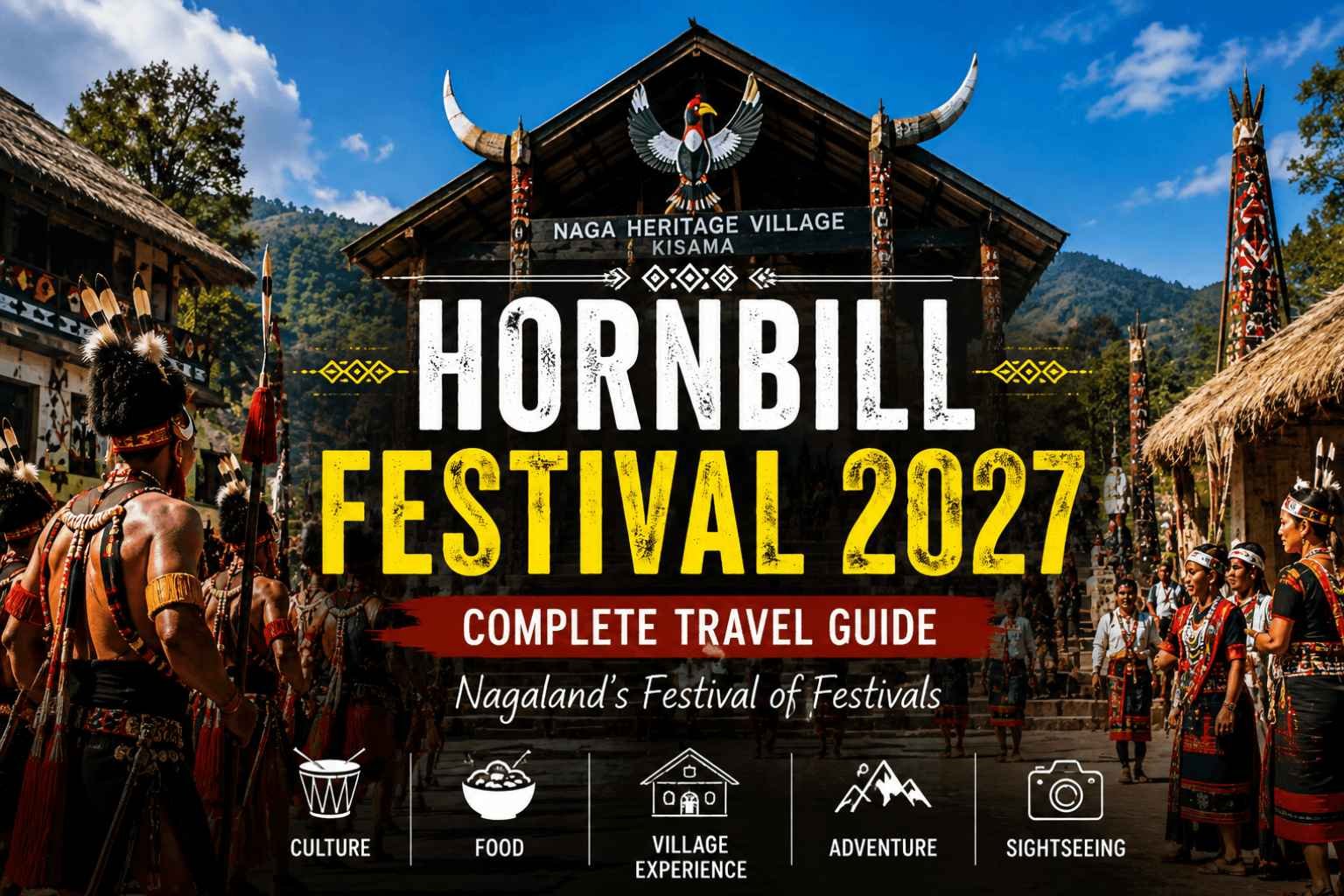

Hornbill Festival 2027
Complete Travel Guide to Nagaland’s Festival of Festivals
If there is one festival that can introduce you to Nagaland in a matter of days, it is the Hornbill Festival.
But after visiting Nagaland again and again, my feeling is that Hornbill should not be treated simply as a festival.
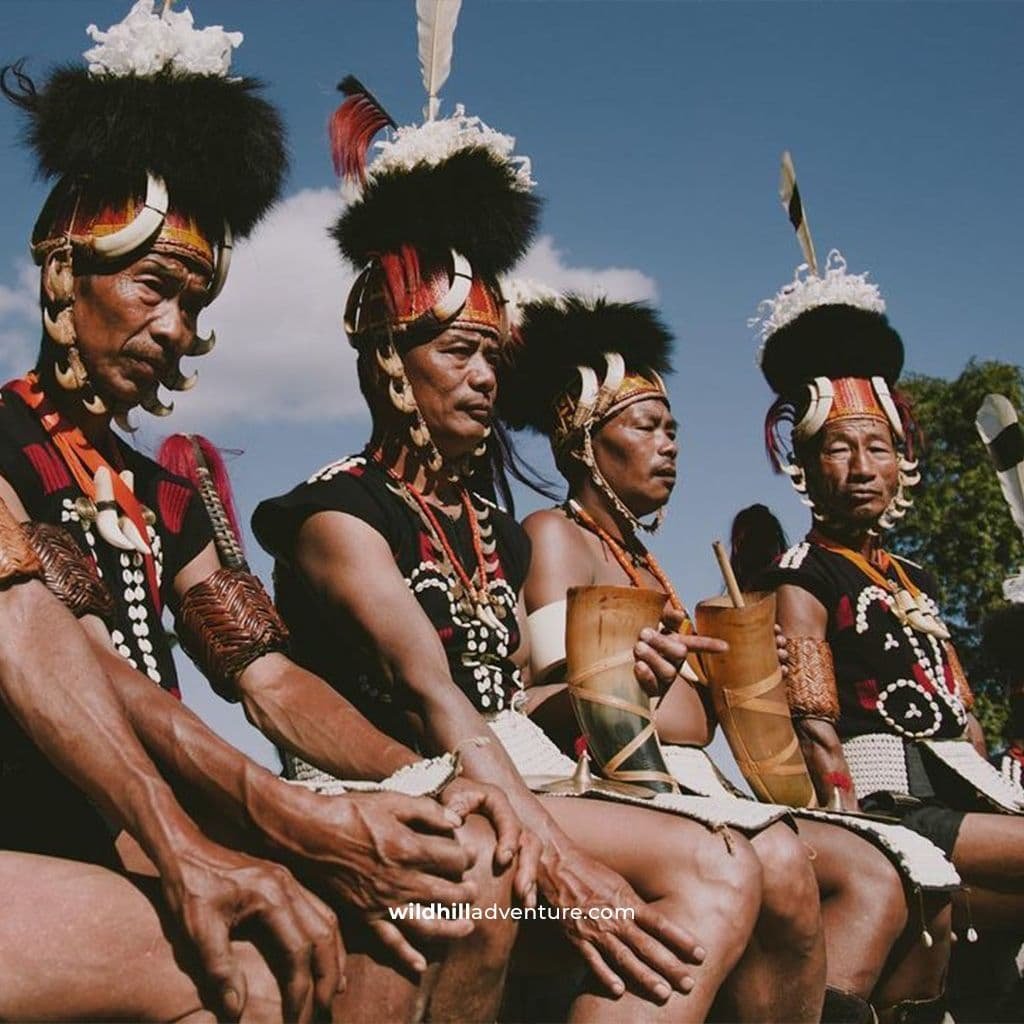
Come only for the performances, take some photographs and leave, and you will see only one layer of Nagaland.
Stay longer. Eat with local people. Walk through villages. Spend an evening around a fire. Visit Khonoma and Dzüleke. Trek to Dzukou Valley. Talk to the people inside the morungs at Kisama.
That is when the journey becomes something you remember.
This Hornbill Festival 2027 travel guide is based not only on information about the festival, but also on our years of travelling and operating trips across Nagaland with Wild Hill Adventure.
What Is the Hornbill Festival?
The Hornbill Festival is Nagaland’s biggest annual cultural celebration and is popularly known as the “Festival of Festivals.”
It was conceptualised in 2000 by the Government of Nagaland to showcase and preserve the state’s diverse cultural heritage. Today, the festival brings Naga communities together at Kisama through traditional performances alongside food, crafts, music, indigenous sports and contemporary events.
The main venue is:
Naga Heritage Village, Kisama
Near Kohima
Nagaland, Northeast India
Kisama lies roughly 10-12 km from Kohima. Its name is derived from the neighbouring villages of Kigwema and Phesama.
The heritage complex contains traditional tribal houses known as morungs, designed to represent the architecture and cultural identity of different Naga communities.
And this is what makes Hornbill different from most festivals in India.
You are not coming for one concert, one religious ceremony or one cultural performance.
You are stepping into a huge celebration of Nagaland itself.
Hornbill Festival 2027 Dates
Expected Hornbill Festival 2027 dates: 1-10 December 2027
Hornbill has traditionally been organised over ten days from December 1 to December 10. The official Nagaland Tourism website currently lists the 2026 festival for those dates as well.
However, the 2027 programme, daily timetable, ticketing details, performers and special events are not yet officially published.
More importantly:
Don’t wait until November to book your accommodation ASAP
Hornbill is peak tourism season for Kohima and the villages surrounding Kisama.
Why Is the Hornbill Festival So Famous?
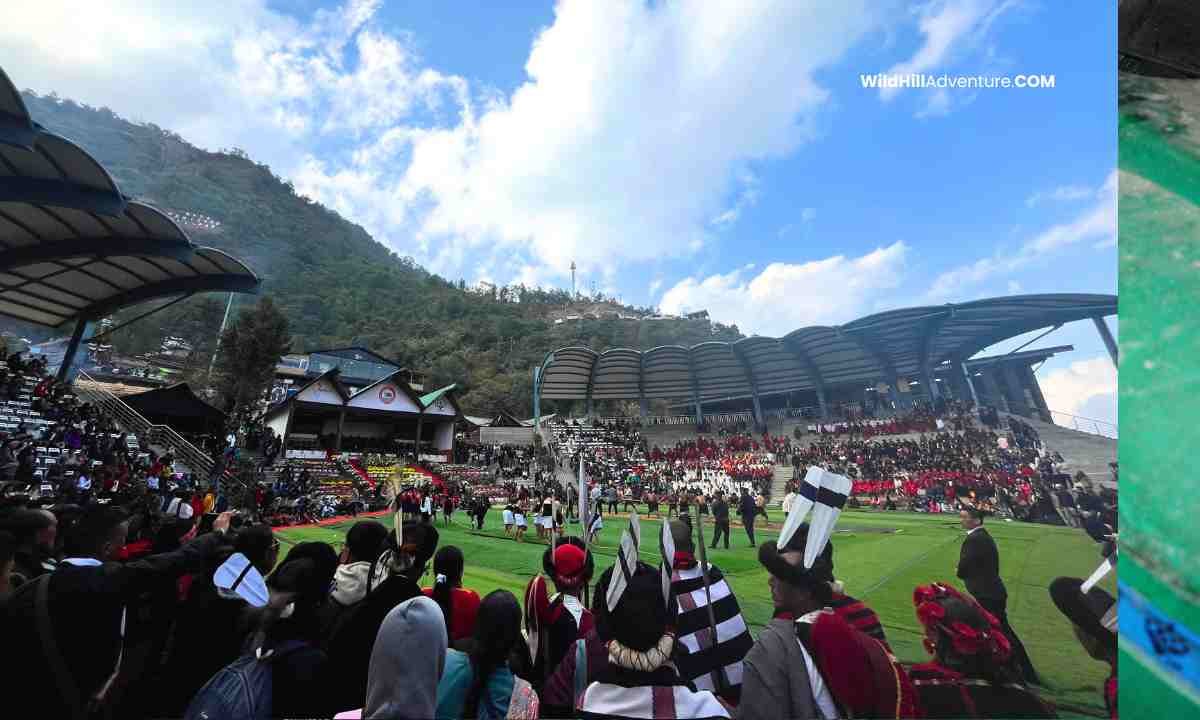
Imagine arriving at Kisama in the morning.
You hear drums somewhere ahead.
Groups dressed in traditional attire begin entering the arena.
One performance ends and another community takes over. Elsewhere, people are cooking traditional dishes. Inside the morungs, conversations are happening over food and local drinks. Craftspeople display handwoven textiles, jewellery, baskets and woodwork.
By evening, the atmosphere changes again.
Music starts.
People from Nagaland, other parts of India and different countries begin mixing together.
That variety is what makes Hornbill special.
Official festival programming has included cultural performances, handlooms and handicrafts, indigenous games, food events, village walks, arts and crafts, wrestling, music, mountain biking, Dzukou hikes, contests and night events.
You can spend several days at Kisama and still have a different experience every day.
My Experience of the Hornbill Festival
We have travelled through Nagaland countless times and brought guests here through Wild Hill Adventure.
And every Hornbill season feels different.
One of my favourite parts isn’t necessarily the main performance.
It is what happens between the performances.
You might start talking with someone inside a morung.
Someone explains their traditional clothing.
Another person tells you about their village.
You try a dish you’ve never heard of.
Later that evening, you are sitting around a fire with people who were strangers that morning.
That is the Nagaland I want travellers to experience.
Many visitors arrive thinking:
“I am going to see the Hornbill Festival.”
They often leave talking about the people they met.
For me, that human connection is the real Hornbill experience.
Where Is Hornbill Festival 2027 Held?
The main festival takes place at:
Naga Heritage Village, Kisama
Kisama is outside Kohima and was developed as a cultural heritage complex.
The festival venue includes traditional morungs along with spaces for cultural programmes, food, handicrafts and other events. Nagaland Tourism also lists facilities and attractions such as a World War II Museum, Bamboo Heritage Hall, food areas and venues used for concerts and other programmes.


What to Experience at Hornbill Festival 2027
1. Traditional Naga Performances
This is the heart of Hornbill.
Expect energetic cultural presentations featuring traditional songs, dances, ceremonial performances and displays representing different Naga communities.
Try sitting near the arena rather than constantly walking around.
Watch an entire performance.
The costumes, ornaments, chants, movements and stories behind them become much more interesting when you give yourself time to observe.
2. Explore the Morungs
Do not just photograph the morungs from outside.
Walk inside.
Morungs traditionally served important social and educational roles in Naga communities, and the structures at Kisama represent distinctive architectural traditions.
During Hornbill, these become some of the best places for visitors to experience different cultural identities more closely.
Spend time talking to people whenever appropriate.
Ask questions respectfully.
You will learn more from those conversations than from rushing around trying to photograph everything.
3. Try Naga Food
Food deserves an entire day at Hornbill.
Nagaland’s food culture varies considerably between communities, and local ingredients, greens, herbs and different preparations are an important part of the experience. Rice is a staple, accompanied by a wide variety of local dishes.
Depending on what is being served, you may encounter dishes involving:
- Smoked meats
- Bamboo shoot
- Axone
- Local vegetables
- Chutneys
- Rice
- Local herbs
- King chilli
- Different tribal preparations
Don’t order only what already looks familiar.
Ask the people serving the food:
“What should I try?”
That question has given me some of my best meals while travelling around Northeast India.
4. Handicrafts and Local Shopping
Hornbill is also an excellent place to buy products directly associated with Nagaland.
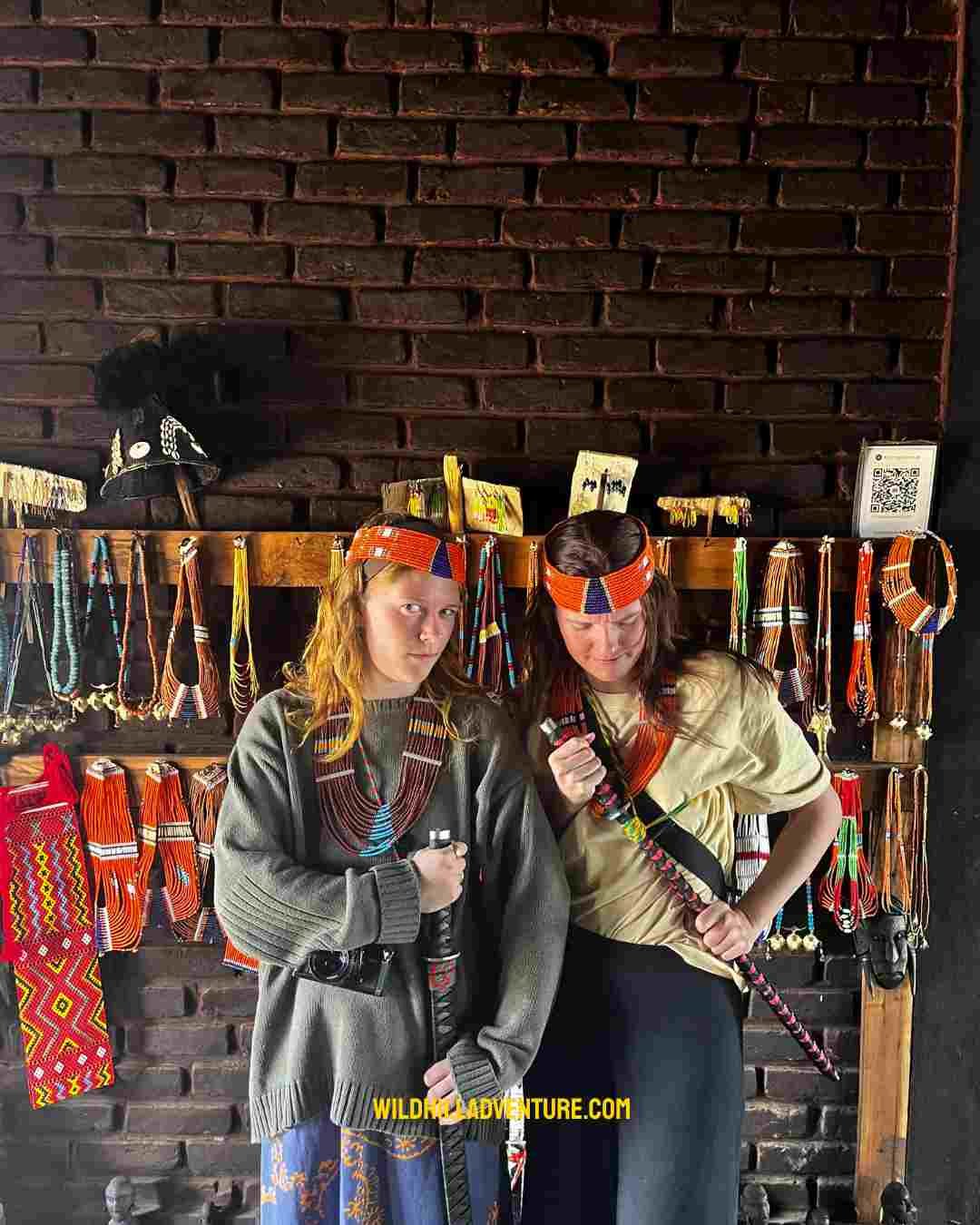
Look for handwoven textiles, jewellery, bamboo products, baskets, shawls, traditional accessories, spices, local food products and handmade souvenirs.
Instead of buying everything from the first stall, walk around first.
You will find different styles and products across the venue.
5. Indigenous Games and Sports
Hornbill isn’t limited to dance.
Previous official programmes have included indigenous sports, Naga wrestling and various competitions.
These events can be surprisingly entertaining even if you know nothing about the sport beforehand.
6. Hornbill After Dark
Many first-time travellers make a mistake.
They leave Kisama too early.
Don’t assume Hornbill ends when the main daytime cultural programme finishes.
The atmosphere changes in the evening with music, food and social events. Official Hornbill programming has historically included music events and a night carnival, although the exact 2027 programme will need to be confirmedonce announced.
If you enjoy music and meeting people, keep at least one evening free.
How Many Days Do You Need for Hornbill Festival 2027?
Technically, you could see Hornbill in one day.
I wouldn’t recommend it.
Minimum: 4 days
Enough to understand the festival and experience the main venue.
Recommended: 6 days
This allows you to combine Hornbill with nearby villages.
Ideal: 5-8 days
This is what I prefer.
You can combine the festival with Kohima, Khonoma, Dzüleke and possibly Dzukou Valley.
You experience both sides of Nagaland:
the celebration and the silence.
Best 4-Day Hornbill Festival 2027 Itinerary
Day 1: Dimapur → Kisama/Kohima → Hornbill Festival
Arrive at Dimapur and drive toward Kohima/Kisama.
After checking in, head to Kisama if your arrival time allows.
Spend the evening getting familiar with the festival rather than trying to see everything immediately.
Day 2: Full Day Hornbill Festival
Keep the entire day for Kisama.
Explore performances, morungs, food stalls, handicrafts and cultural activities.
Stay into the evening if events are scheduled.
Day 3: Khonoma + Dzüleke
This is one of my favourite combinations.
Visit Khonoma, walk through the historic village and explore its famous terraced landscape.
Then continue toward Dzüleke.
The transition from crowded Kisama to the quiet villages is beautiful.
Day 4: Hornbill Festival + Departure
Return to Kisama in the morning.
Buy souvenirs, revisit your favourite morungs and catch anything you missed earlier.
Then travel to Dimapur for departure.
My Recommended 6-Day Hornbill Festival 2027 Trip
If you have the time, this is much better.
Day 1: Dimapur → Kohima/Kisama → Hornbill
Day 2: Full-day Hornbill Festival
Day 3: Kohima sightseeing + Hornbill
Day 4: Khonoma + Dzüleke
Day 5: Pfutsero + Kapamodzü Peak
Day 6: Hornbill + Dimapur departure
This turns the journey from a festival visit into a proper Nagaland experience.
Places to Visit Near Hornbill Festival
Hornbill should be your starting point, not the entire trip.
Khonoma Village
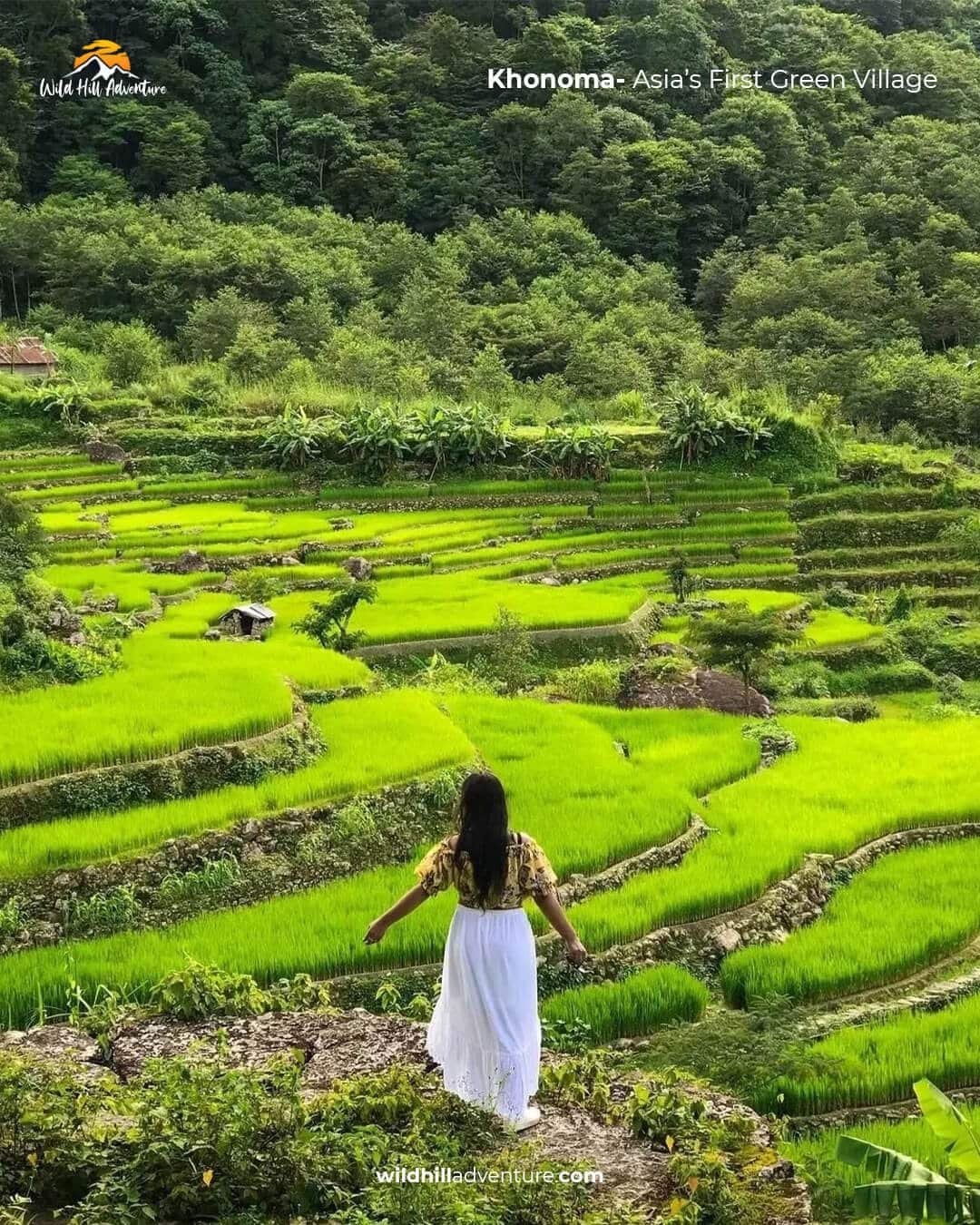
Khonoma is roughly 20 km from Kohima and is one of the villages we return to repeatedly.
Its terraced fields alone are worth visiting.
But walk through the village with a local guide and you start discovering its history, architecture, conservation practices and Angami culture.
I would keep at least half a day.
Dzüleke Village
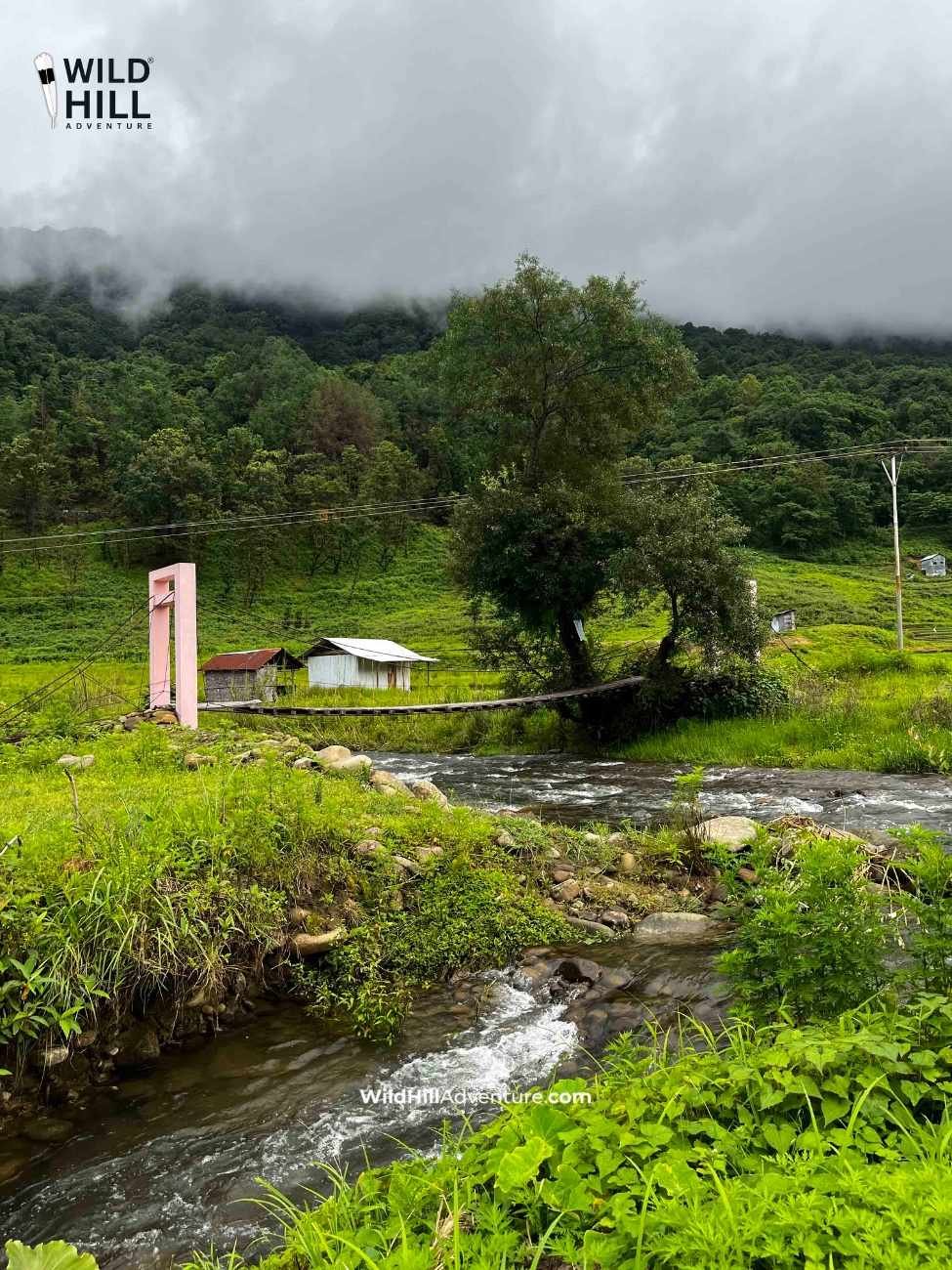
Dzüleke is completely different.
Quiet.
Green.
A river cutting through the landscape.
Fields and small homes surrounded by hills.
Network connectivity can be limited, and that is part of why I enjoy staying here.
If possible, don’t just visit Dzüleke for an hour.
Stay overnight.
When your phone stops working, conversations somehow become longer.
Dzukou Valley
If you love trekking, combine Hornbill Festival 2027 with Dzukou Valley.

Dzukou has been part of our journey for years.
We’ve hosted thousands of travellers there over time, and I still don’t think of Dzukou as simply another trekking destination.
For us, Dzukou is emotion.
Cold nights.
Tents.
Bonfires.
Stars.
Endless conversations.
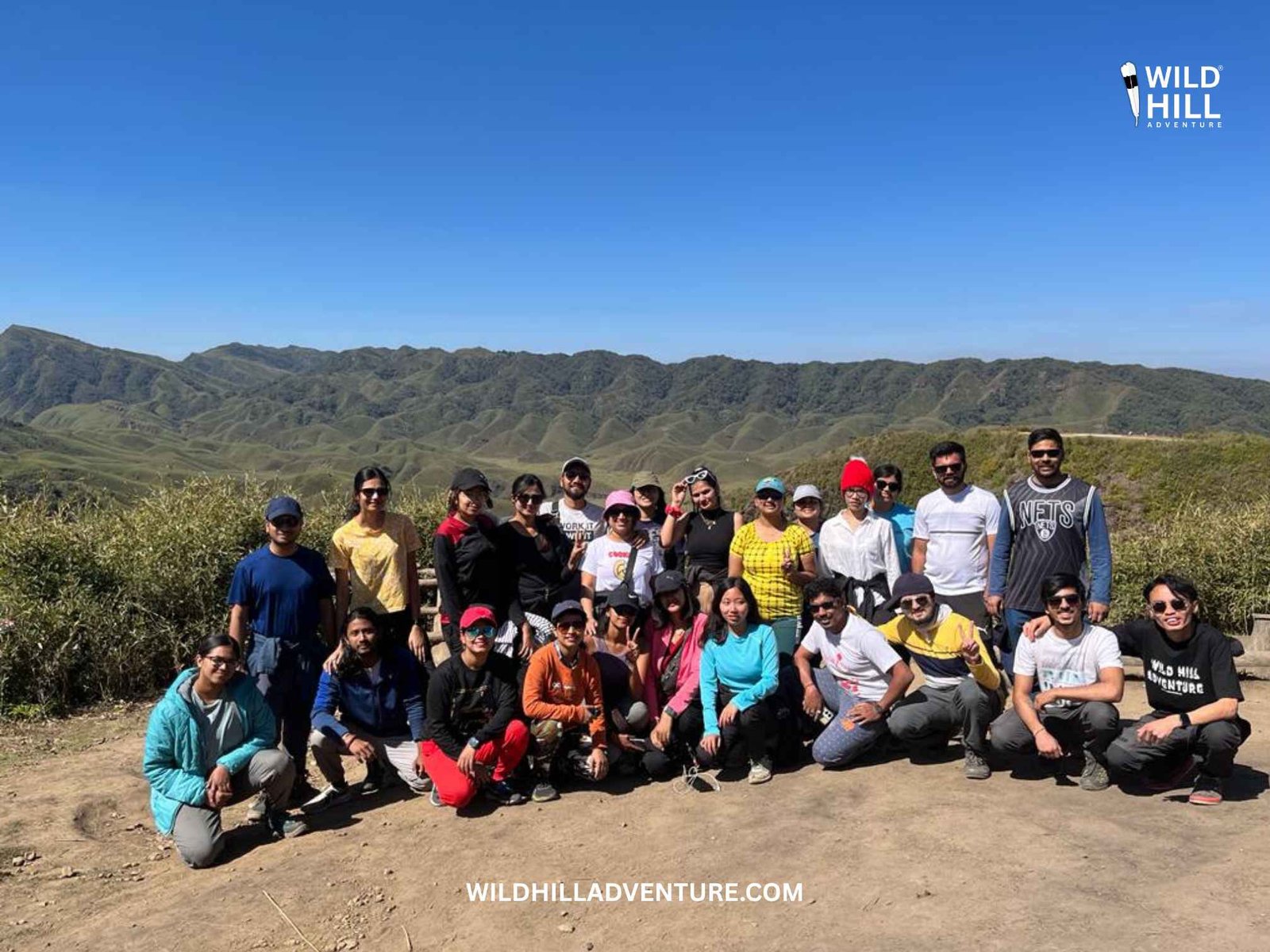
And then waking up surrounded by those rolling green hills.
Adding Dzukou makes a Hornbill trip far more adventurous.
Pfutsero
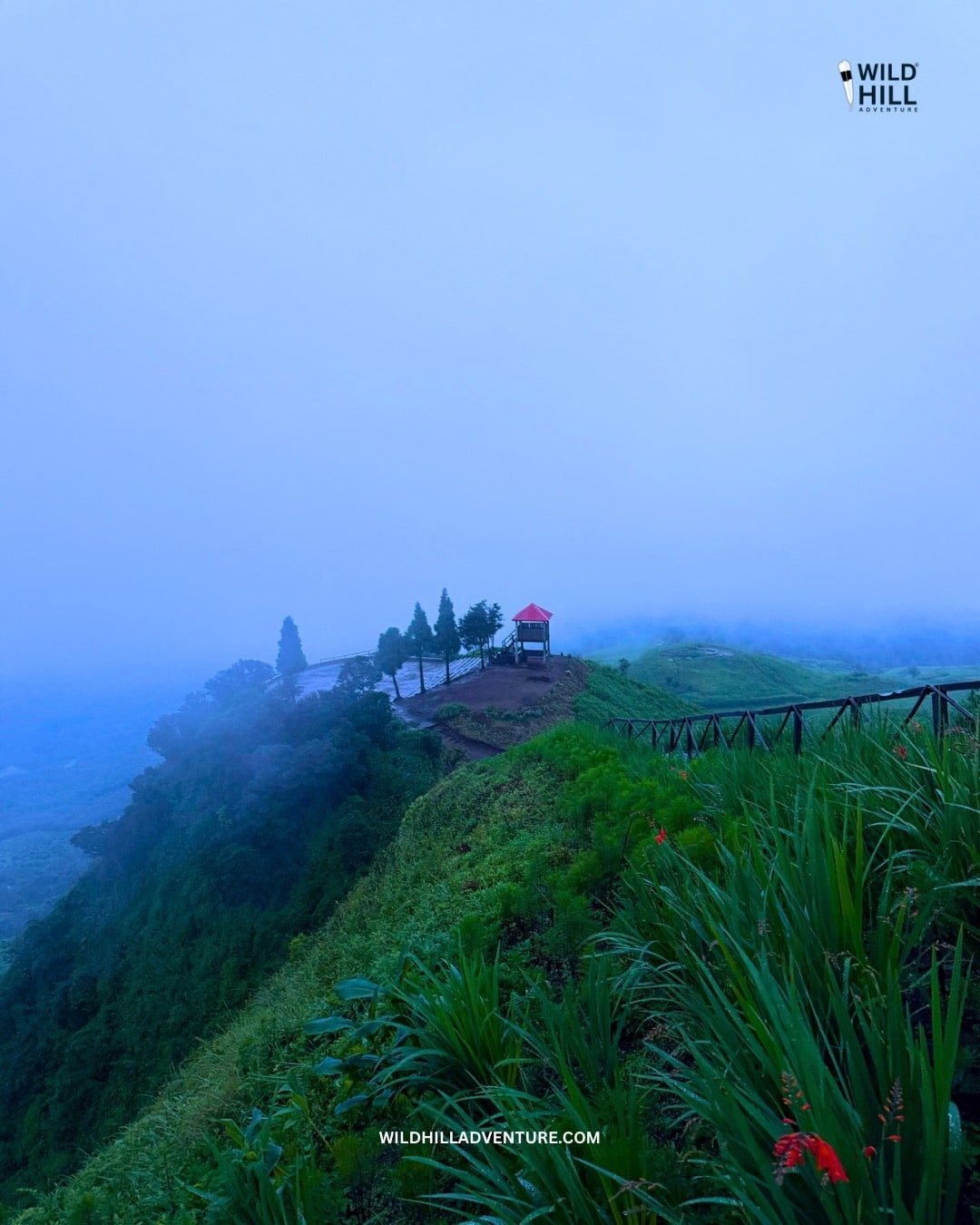
Pfutsero is another place worth considering if you have additional time.
The landscape and cooler highland atmosphere feel very different from Kohima.
It also works well as part of a trip toward Kapamodzü.
Kapamodzü Peak
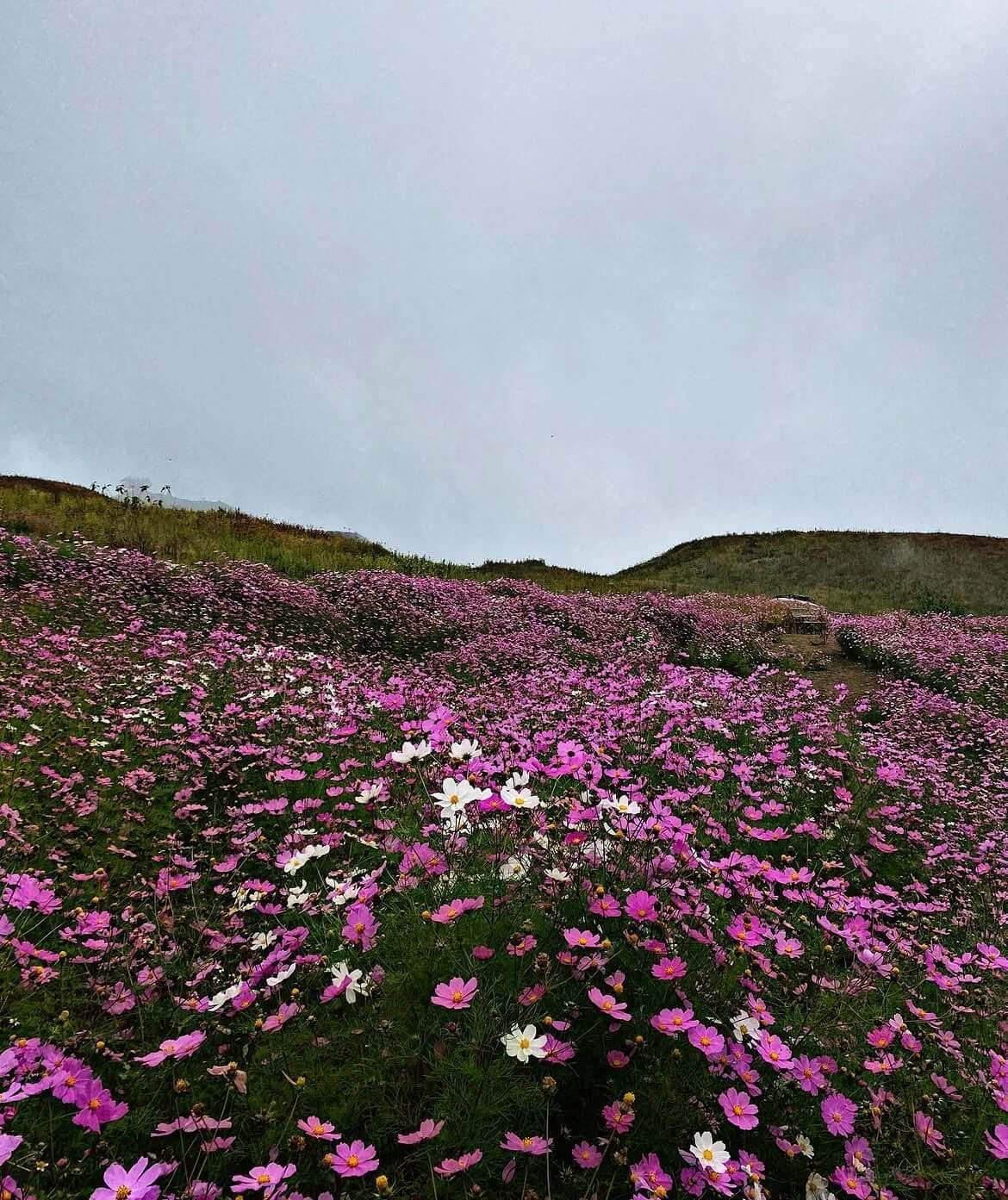
Kapamodzü is one of my favourite offbeat experiences around this part of Nagaland.
The peak offers expansive mountain views when the weather cooperates.
We’ve visited multiple times, including during monsoon when fog can completely transform the landscape.
Accommodation around the peak is limited, so arrange it beforehand if you want to stay overnight.
Kohima
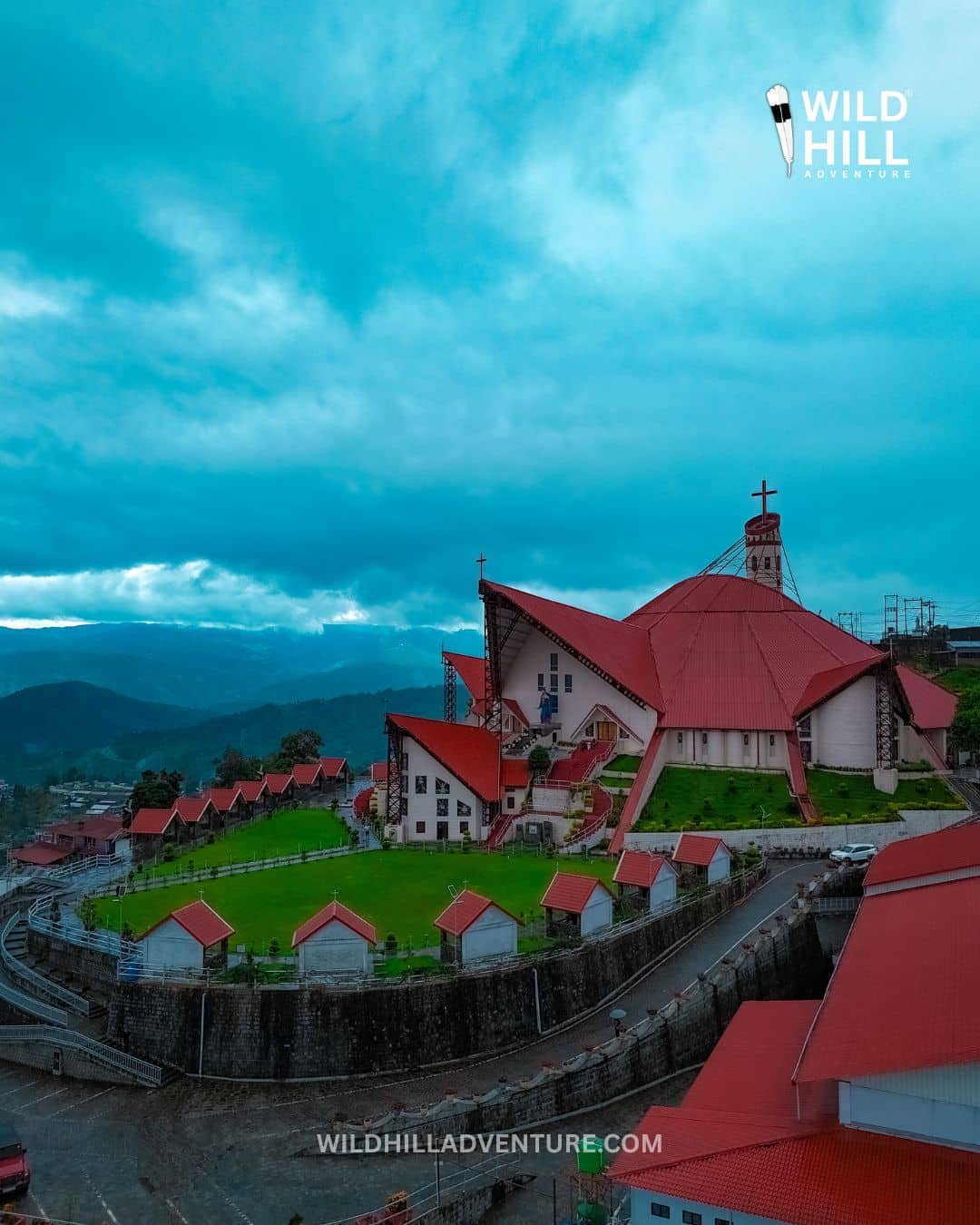
Don’t treat Kohima only as your hotel base.
Spend some time exploring the city.
Places you can consider include:
Kohima War Cemetery, local markets, Nagaland State Museum, Kohima Cathedral and cafés around the city.
A Hornbill trip becomes much better when you combine the festival with everyday Kohima.
Where to Stay During Hornbill Festival 2027
You have several options.
Kisama
Best if festival access is your priority.
Kigwema
Very convenient for Kisama and increasingly popular during Hornbill.
Jakhama
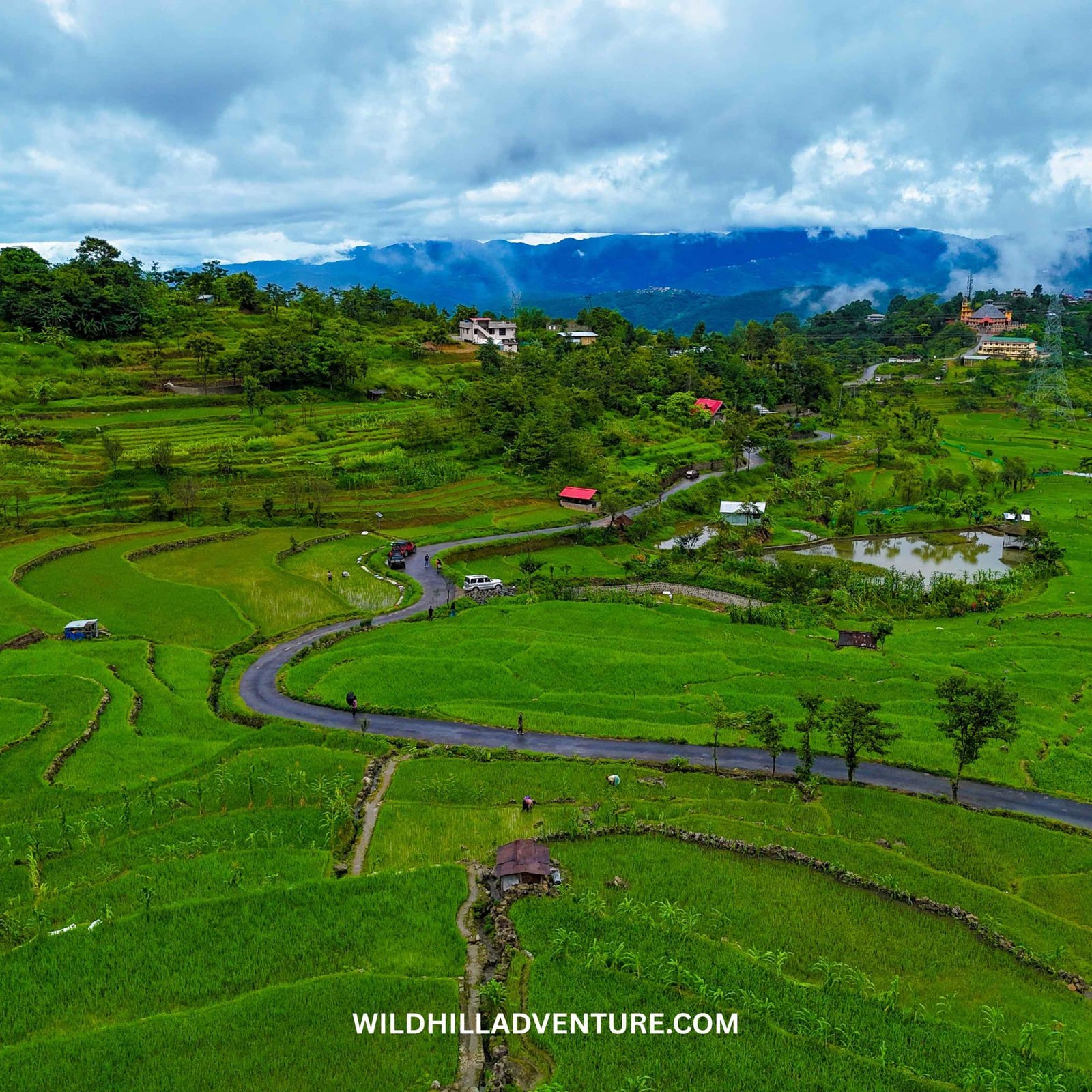
Good option for travellers who want to remain close to the festival area.
Kohima
Best selection of hotels, restaurants and city facilities, but festival traffic needs to be considered.
Homestays
My recommendation for travellers who want more local interaction.
Campsites
Great for younger travellers, backpackers, groups and anyone who enjoys the festival atmosphere.
Book Your Hornbill 2027 Accommodation Early
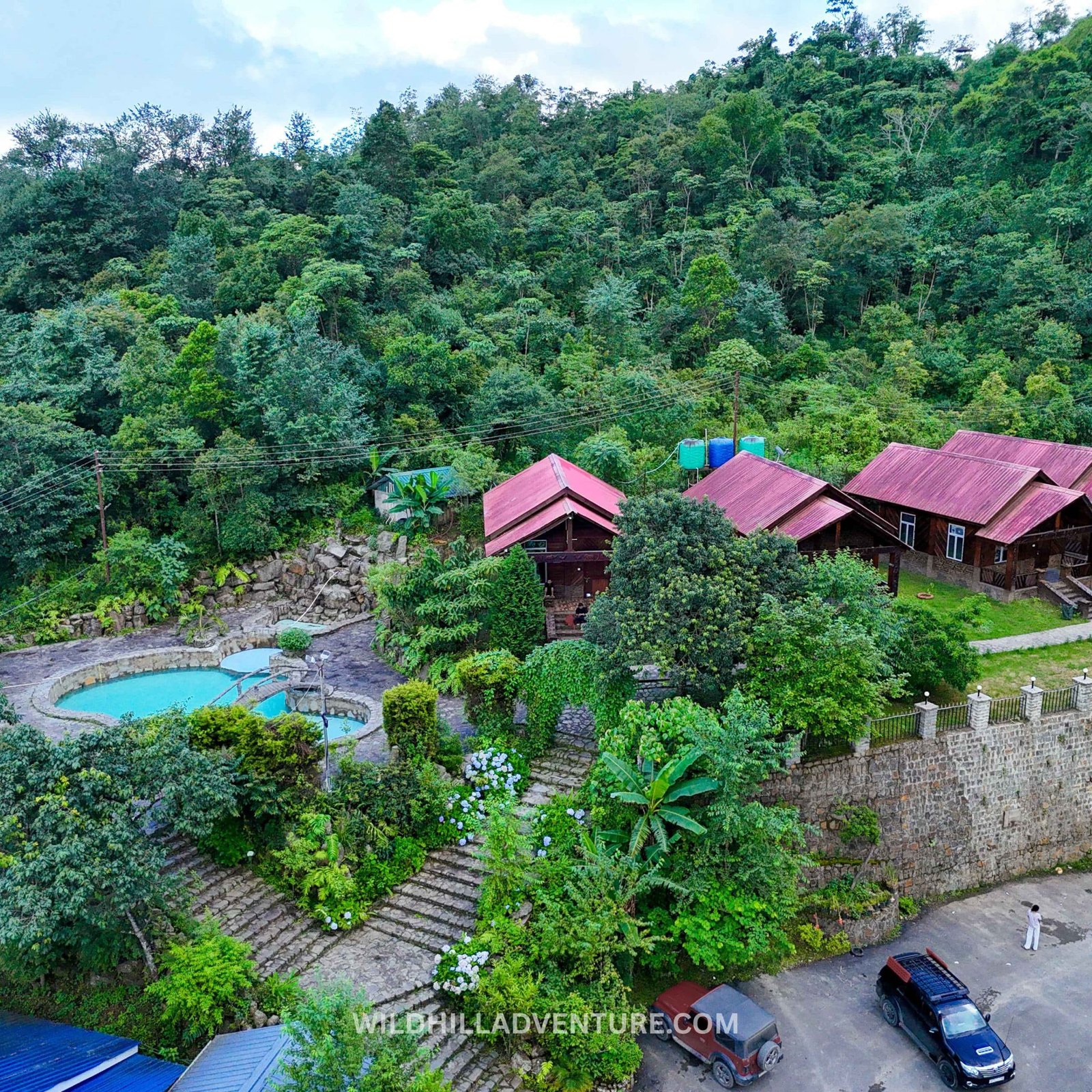
This deserves emphasis.
Book early.
Hornbill creates huge seasonal demand around Kohima and Kisama.
The accommodation you actually want can disappear long before December.
If you’re travelling with family or want a particular quality of hotel, homestay or campsite, I would not leave booking until the last minute.
How to Reach Hornbill Festival 2027
By Air
The usual gateway is Dimapur Airport.
From Dimapur, continue by road toward Kohima and Kisama.
Another option is to fly to Guwahati and continue by road or rail toward Nagaland depending on your itinerary.
By Train
Dimapur Railway Station is the most convenient major railway gateway for many Hornbill travellers.
From there, continue by road.
By Road
Nagaland is accessible by road from Assam and neighbouring parts of Northeast India.
During Hornbill, however, traffic around Kohima and Kisama can become heavy.
Keep buffer time.
In 2024, for example, the state arranged shuttle buses between Kohima and Kisama, along with a free connection from the Kigwema parking area. Transport arrangements for 2027 may differ, so check the official announcement closer to the festival.
Inner Line Permit for Hornbill Festival 2027
This is important.
Nagaland operates an Inner Line Permit (ILP) system for visitors covered by its regulations. The Government of Nagaland provides an online application system, and its current guidance includes a specific domestic-tourist category. (Nagaland ILP)
For domestic tourists, the current document checklist asks for a recent passport photograph and an accepted identity document, with additional requirements applying in certain cases. (Nagaland ILP)
Do not assume the 2026 permit rules will remain exactly the same for December 2027. Check the official requirements before travelling.
Foreign-tourist requirements should likewise be checked closer to the trip, particularly because temporary festival-specific relaxations have been issued in previous years. (Nagaland ILP)
Weather During Hornbill Festival
December is one of my favourite times to travel around Nagaland.
Days can be pleasant when the sun is out, but mornings and nights can feel cold, particularly outside Kohima and at higher elevations.
Bring proper winter layers.
For a Hornbill trip, I normally suggest packing comfortable walking shoes, a warm jacket, thermals if you feel cold easily, rain protection, power bank, reusable water bottle, sunscreen, sunglasses, personal medicines, some cash and a small daypack.
If you’re combining Hornbill with Dzukou or higher-altitude locations, pack accordingly.
Is Hornbill Festival Good for Families?
Yes, but plan differently.
Families should prioritise comfortable accommodation, reliable transportation and reasonable daily schedules.
Don’t try to cover every event.
Spend a few hours at Kisama, take breaks, enjoy the food and choose specific performances you want to see.
Nagaland deserves slow travel.
Photography at Hornbill Festival
Hornbill is incredible for photography.
But there is one rule I strongly believe travellers should follow:
People are not props.
If you want a close portrait, ask.
Interact first.
Smile.
Have a conversation when possible.
Then photograph.
You’ll usually end up with a better photograph anyway because there is a human connection behind it.
Hornbill Festival 2027 + Kaziranga
Another excellent combination is:
Guwahati → Kaziranga → Kohima → Hornbill Festival → Dimapur
This gives you two completely different Northeast India experiences.
One-horned rhinos and wildlife in Assam.
Then tribal culture and mountain landscapes in Nagaland.
Around 5-7 days works well depending on how deeply you want to explore.
Hornbill Festival + Longwa + Mon
If you have more time, this is even more interesting.
Travel from Kohima toward Mon district and Longwa Village.
Longwa offers an entirely different cultural and geographical experience from Hornbill.
For travellers wanting a deeper Nagaland journey rather than only the festival, I would consider:
Kohima → Hornbill → Khonoma → Dzüleke → Mon → Longwa
Allow around 8-12 days.
What I Would Not Do at Hornbill Festival
I wouldn’t try to see Nagaland in three days.
I wouldn’t spend every minute filming.
And I definitely wouldn’t stay only inside Kisama.
Hornbill introduces you to Naga culture.
The villages help you understand it.
Travel outside the main venue.
Eat in local homes.
Talk to people.
Sit somewhere without doing anything.
That slower part of the journey often stays with you much longer.
Why Travel With Wild Hill Adventure for Hornbill Festival 2027?
Nagaland is not simply another destination on our website.
We have travelled these roads repeatedly.
We’ve operated trips to Hornbill, Dzukou, Khonoma, Dzüleke, Mon, Longwa, Pfutsero, Kapamodzü and other parts of Nagaland for years.
That experience matters because Northeast India trips often depend on small details.
Which route makes sense.
Where to stay.
When to leave.
Which local guide to contact.
How much time a village actually deserves.
When weather changes the plan.
Where tourists usually rush unnecessarily.
Our goal at Wild Hill Adventure isn’t simply to transport guests from attraction A to attraction B.
We want you to experience Nagaland as travellers ourselves experience it.
Local food.
Village conversations.
Unplanned stops.
Mountain roads.
Bonfires.
Stories.
And places that don’t necessarily appear on the first page of a travel guide.
FAQs About Hornbill Festival 2027
1. What are the Hornbill Festival 2027 dates?
The Hornbill Festival 2027 is expected to take place from 1 December to 10 December 2027 at Kisama Heritage Village near Kohima, Nagaland. Hornbill is officially a 10-day annual festival, and Nagaland Tourism currently lists the 2026 edition for 1-10 December. The detailed 2027 programme has not yet been announced, so travellers should reconfirm the dates closer to the festival.
2. Where will the Hornbill Festival 2027 be held?
The main Hornbill Festival 2027 venue is expected to be Naga Heritage Village, Kisama, approximately 12 km from Kohima in Nagaland. Kisama was developed to showcase and preserve the cultural heritage of Nagaland’s different Naga communities.
3. Why is the Hornbill Festival famous?
The Hornbill Festival is famous for bringing Nagaland’s diverse tribal cultures together in one major celebration. Visitors can experience traditional dances, music, indigenous games, Naga food, handicrafts, textiles, cultural exhibitions and other activities. This is why Hornbill is popularly called the “Festival of Festivals.”
4. How many days are enough for the Hornbill Festival?
We recommend at least 4-6 days for a Hornbill Festival trip. Two days can be dedicated to Kisama, while the remaining time can be used for Kohima and nearby villages such as Khonoma and Dzüleke. If you want to include Dzukou Valley, Pfutsero, Kapamodzü or other parts of Nagaland, plan around 5-7 days.
5. Which days are best to attend Hornbill Festival 2027?
There isn’t one universally “best” day because programmes vary throughout the festival. If possible, spend at least two different days at Kisama rather than trying to experience everything in one day. Previous programmes have spread cultural performances, food, crafts, competitions, music and other activities across multiple days.
6. How do I reach the Hornbill Festival from Dimapur?
Most travellers first reach Dimapur by flight or train and then travel by road towards Kohima and Kisama. During the festival period, allow additional travel time because traffic around Kohima, Jakhama, Kigwema and Kisama can become heavy.
7. How far is Hornbill Festival from Kohima?
Kisama Heritage Village is approximately 12 km from Kohima according to Nagaland Tourism. Travel time can vary considerably during Hornbill because of festival traffic.
8. Do I need an Inner Line Permit for Hornbill Festival 2027?
Travellers covered by Nagaland’s Inner Line Permit (ILP) regulations should obtain the required permit before travelling. Requirements can change, so check the official Nagaland ILP rules applicable to your nationality and category before your 2027 trip.
9. Where should I stay during Hornbill Festival 2027?
Popular bases include Kohima, Kisama, Kigwema and Jakhama. Depending on your budget and travel style, you can choose hotels, homestays, guesthouses or campsites.
Staying closer to Kisama reduces daily travel, while Kohima offers more restaurants, cafés and city facilities. Accommodation demand becomes very high during Hornbill, so advance booking is strongly recommended.
10. How early should I book accommodation for Hornbill Festival 2027?
Book as early as possible, particularly if you want a good hotel, homestay or campsite close to Kisama. Hornbill is one of Nagaland’s biggest tourism periods, and convenient accommodation can fill well before December.
11. What happens at the Hornbill Festival?
Hornbill is much more than tribal dance performances. Official festival activities have included cultural performances, indigenous games and sports, local food, handicrafts, village walks, trekking, art, fashion, music, Naga wrestling, mountain biking and other cultural and adventure activities.
12. What food should I try at Hornbill Festival?
Hornbill is a great opportunity to explore different Naga cuisines. Depending on the stalls and participating communities, you can find rice dishes, smoked meats, bamboo shoot preparations, axone-based dishes, local vegetables, chutneys and dishes using Naga chilli.
Instead of sticking to familiar food, ask the people at the stalls what they recommend.
13. Is Hornbill Festival suitable for solo travellers?
Yes. Hornbill Festival is suitable for solo travellers, including first-time visitors to Nagaland. The festival attracts travellers, photographers and culture enthusiasts from different parts of India and abroad.
Solo travellers who are uncomfortable arranging transport and remote village visits independently can join an organised trip or arrange a local guide.
14. Is Hornbill Festival safe for female travellers?
Nagaland is visited by many solo women and groups during Hornbill. Standard travel precautions still apply, particularly when travelling late at night or to remote areas. Booking accommodation and transportation beforehand can make the trip considerably easier during the busy festival period.
15. Can I visit Dzukou Valley during Hornbill Festival?
Yes. Dzukou Valley and Hornbill Festival make an excellent combination.
Allow at least an additional 1-2 days for Dzukou rather than trying to squeeze it into your main Hornbill sightseeing day. Previous official Hornbill programmes have even included Dzukou-related hikes and experiences.
16. What are the best places to visit near Hornbill Festival?
Some of our favourite places to combine with Hornbill are Kohima, Khonoma Village, Dzüleke Village, Dzukou Valley, Jakhama, Kigwema, Pfutsero and Kapamodzü Peak.
With more time, you can travel deeper into Nagaland towards Mon and Longwa Village for a very different experience.
17. What should I pack for Hornbill Festival 2027?
December can be cold, particularly in the mornings and evenings. Carry a warm jacket, comfortable walking shoes, layered clothing, power bank, sunscreen, personal medicines, water bottle and a small daypack.
If you’re adding Dzukou Valley or higher-altitude destinations to the trip, carry additional warm clothing.
18. Can I take photographs at Hornbill Festival?
Hornbill is fantastic for travel and cultural photography. However, always be respectful when photographing people.
For close portraits, ask permission first, particularly when photographing individuals wearing traditional attire or during personal cultural moments.
19. Is Hornbill Festival worth visiting?
Yes, particularly if you’re interested in tribal culture, photography, traditional food, music, handicrafts and Northeast India.
But don’t limit your trip to Kisama. Combining Hornbill with villages such as Khonoma and Dzüleke or an adventure to Dzukou Valley gives you a much deeper understanding of Nagaland.
20. How can I plan the best Hornbill Festival 2027 itinerary?
For first-time visitors, a 4-6 day Hornbill Festival itinerary works very well.
A good route is:
Day 1: Dimapur → Kohima/Kisama → Hornbill Festival
Day 2: Full-day Hornbill Festival
Day 3: Kohima + Hornbill Festival
Day 4: Khonoma + Dzüleke
Day 5: Pfutsero + Kapamodzü Peak or Dzukou Valley
Day 6: Kisama → Dimapur
If you have 8-12 days, consider extending the journey towards Mon and Longwa for a more complete Nagaland experience.
21. Is vegetarian, Jain, or halal food available during the Hornbill Festival and in Nagaland?
Yes, vegetarian, Jain, and halal-friendly meals can be arranged in Nagaland, but travellers should not expect these options to be easily available everywhere, especially in remote villages and during road trips.
Nagaland’s traditional cuisine is heavily meat-based, and dedicated Jain or halal restaurants are limited outside the main towns. Vegetarian dishes are available, but travellers with strict dietary requirements should plan in advance.
At Wild Hill Adventure, we regularly host vegetarian, Jain, and groups with specific dietary requirements. At our dedicated stays and camps, we can arrange and prepare meals according to guests’ requirements with advance notice.
For travellers who require strict Jain food, vegetarian food, or halal-friendly meals, inform our team before the trip so we can plan meals and accommodation accordingly.

0 Comment